Walk into any supply house or scroll any shingle brochure and you'll see big numbers — 30-year shingles, 40-year shingles, limited lifetime warranties. Then talk to anyone who has owned a home in metro Detroit for a few decades and you'll hear a different story: the roof that was supposed to last 30 years started leaking at 18. Neither side is lying. The gap between the label and the driveway is real, and understanding it is the difference between budgeting sensibly and getting surprised.
Here's an honest look at how long roofs actually last in southeast Michigan, why our climate shortens the clock, and the four things that influence lifespan far more than the brand printed on the wrapper.
What the number on the package actually means
A "30-year" or "lifetime" rating is a warranty term, not a prediction. It describes how long the manufacturer will stand behind the shingle against manufacturing defects — and most of those warranties are prorated, so the coverage shrinks every year you own the roof. They also assume near-perfect conditions: correct nailing, adequate attic ventilation, moderate weather. Normal weathering — the thing that actually ends most roofs — usually isn't covered at all. So the label tells you something about the shingle's build quality, but it doesn't tell you when your roof will need replacing.
Honest lifespan ranges for southeast Michigan
That said, experience across Wayne, Oakland, Macomb, Washtenaw, and Monroe counties points to some consistent patterns. These are typical ranges, not guarantees — individual roofs land above or below them for reasons we'll get into below.
- 3-tab asphalt shingles: roughly 15–20 years here. They're thinner, carry fewer granules, and their straight-line tabs give the wind more to grab. Most 3-tab roofs going on today are budget re-roofs, and they show their age the fastest.
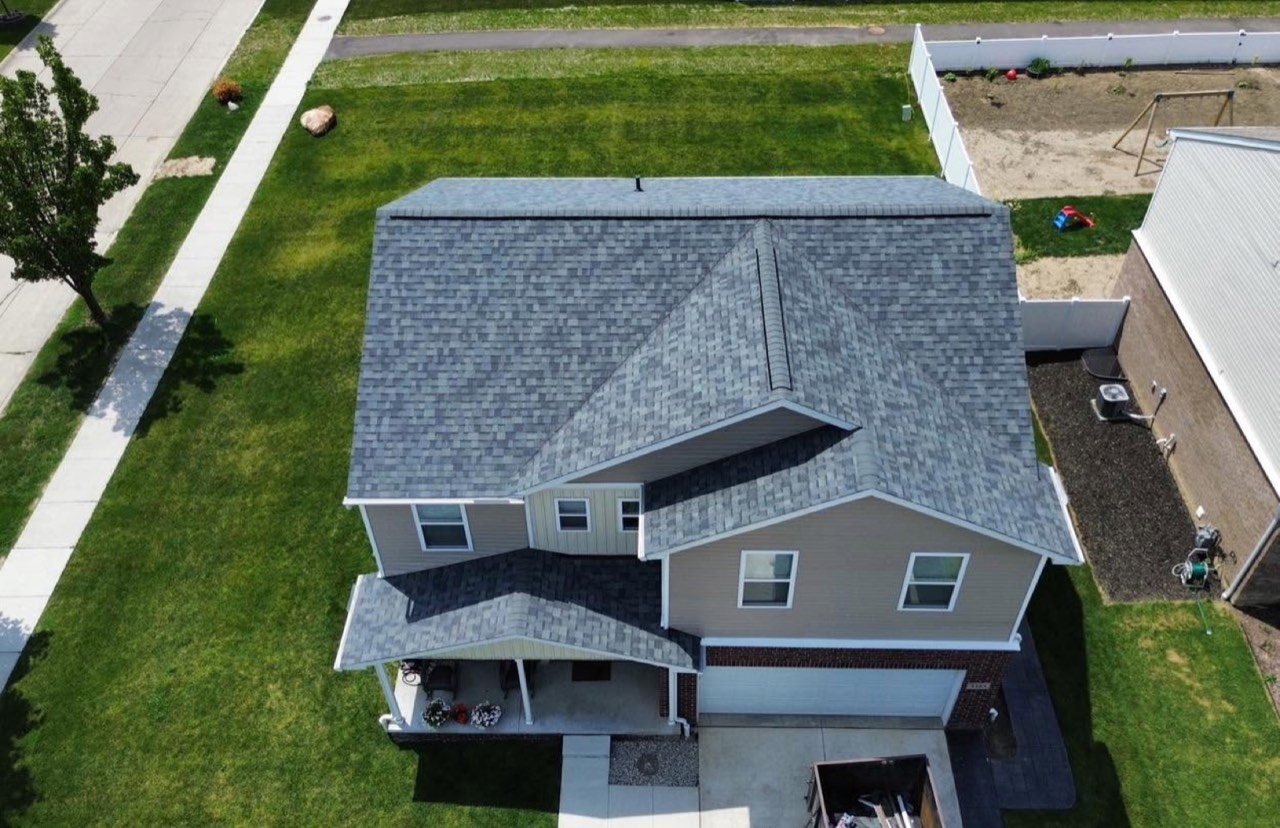
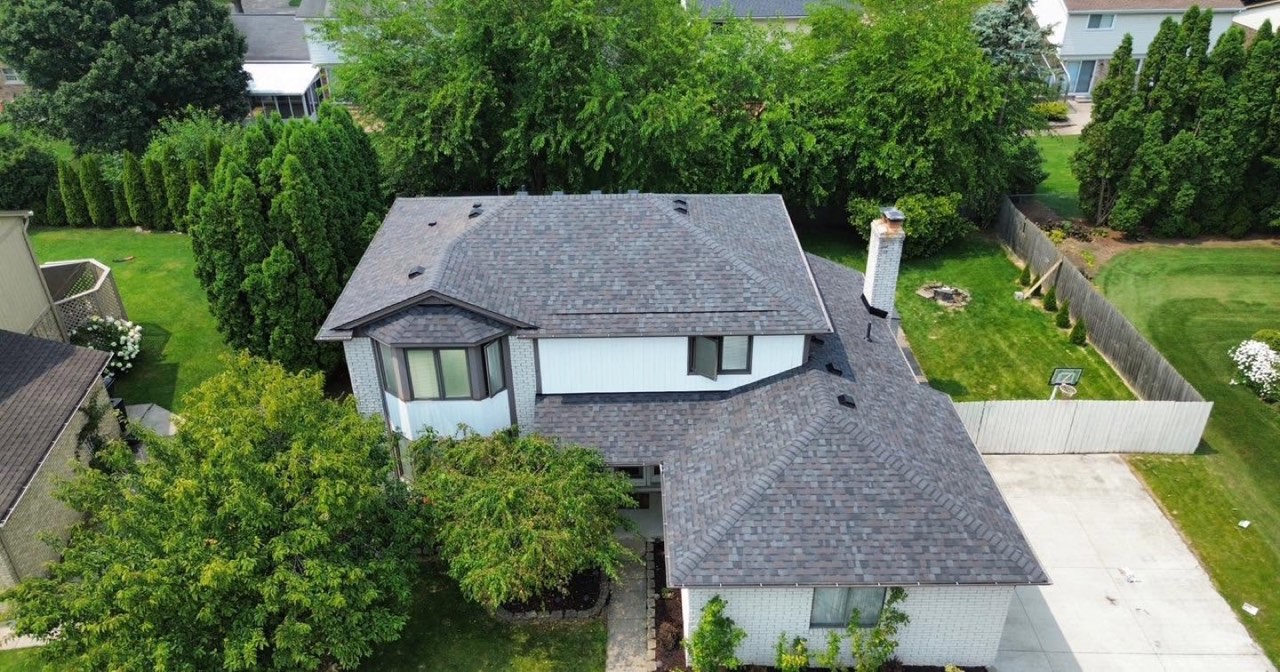
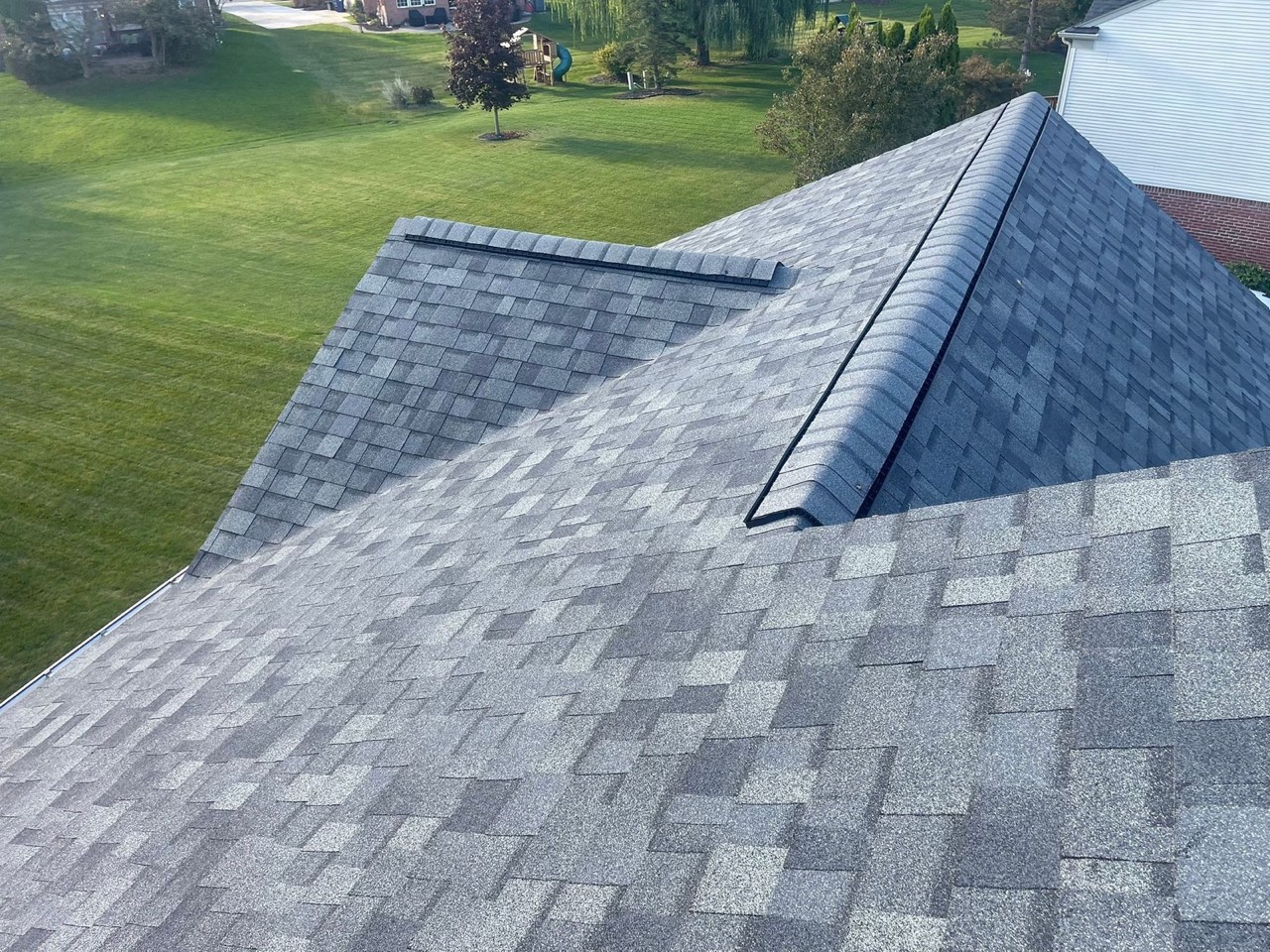
- Architectural (dimensional) shingles: typically 20–28 years in our climate. The thicker, laminated construction sheds water better, resists wind lift, and holds granules longer. This is the standard choice for most Michigan re-roofs for good reason.
- Impact-resistant, SBS-modified shingles (such as Owens Corning's Duration FLEX): toward the upper end of the architectural range, with meaningfully better tolerance for hail strikes and high wind. The rubberized SBS asphalt stays flexible in the cold, which matters in a state that swings from below zero to ninety degrees.
If your roof faces south or west with no shade, plan on the lower end of the range. A shaded, well-ventilated slope can outlast the same shingle across the street.
Why Michigan shortens the clock
Shingle test labs don't simulate a Downriver winter. Four local stresses do most of the damage:
- Freeze-thaw cycles. Southeast Michigan crosses the freezing line dozens of times each winter. Water works into tiny gaps, freezes, expands, and pries at shingles, flashing, and sealant a little more with each cycle.
- Ice dams. When attic heat melts snow that refreezes at the cold eaves, water pools behind the ridge of ice and backs up underneath the shingles — where it finds every weak spot in the underlayment.
- Snow load and lake-effect bursts. Heavy, wet snow adds weight and lingers, keeping shingles damp for weeks at a stretch.
- Summer heat. Attic temperatures can run far above the air outside, baking the asphalt from below, drying it out, and speeding granule loss — especially when ventilation is poor.
Four things that matter more than the shingle label
Two identical bundles of shingles can produce two very different roofs. In practice, these four factors do more to determine lifespan than the brand or the rating on the wrapper.
- Attic ventilation. A poorly vented attic cooks shingles from below in summer and feeds ice dams in winter. Balanced soffit and ridge ventilation is one of the cheapest things that extends a roof's life — and its absence quietly voids many shingle warranties.
- Installation quality. Nailing pattern, nail placement, properly layered flashing at chimneys and walls, and an ice-and-water barrier at the eaves and valleys matter enormously in Michigan. A premium shingle installed carelessly will underperform a mid-grade shingle installed right.
- Tear-off versus layover. A second layer of shingles installed over the first traps heat, ages faster, and hides the condition of the decking underneath. A full tear-off costs more up front, but it lets the installer replace soft decking and start from a clean, flat surface — which is why we recommend it on nearly every job.
- Maintenance. Clean gutters, trimmed limbs, sound flashing, and a look from the ground twice a year catch small problems while they're still small. Our seasonal Michigan roof maintenance checklist walks through exactly what to do in spring, summer, fall, and winter.
Signs your roof is near the end
Age is a guideline; condition is the verdict. Whatever the calendar says, watch for these:
- Shingles that curl at the edges or cup in the middle — the asphalt has dried out and lost its flexibility.
- Heavy granule loss: bald or shiny patches on the shingles, or gutters full of granules after every rain.
- Cracked, broken, or missing shingles after every wind event, a sign the sealant bond has failed.
- Water stains on ceilings or in the attic, or daylight visible through the roof boards.
- A sagging or wavy roofline, which can point to soft decking underneath.
- Repeated repairs on a roof already past its typical range — at some point the repair money is better put toward replacement.
One more homegrown indicator: if the post-war ranches or 1920s bungalows on your street all got roofed around the same time and the neighbors are starting to replace theirs, yours is probably running on the same clock.
Getting a straight answer on your own roof
If your roof is somewhere in that 15-to-25-year window and you'd rather know than guess, we can help without eating up your afternoon. Guthix Roofing is a licensed and insured Michigan builder (License #262600716) based in Wyandotte, serving Wayne, Oakland, Macomb, Washtenaw, and Monroe counties. We install Owens Corning Duration architectural shingles — with Duration FLEX as our impact-resistant premium tier — recommend full tear-off over layover, and back our work with a 10-year workmanship warranty. Our instant quote measures your roof from satellite imagery, and every number is confirmed with a free on-site inspection before anything is final. No pressure and no sales pitch — just an honest read on how much life your roof has left. Questions first? Call us at (734) 360-0805.