Ice dams form when heat escaping into your attic melts snow on the upper roof, and the meltwater refreezes at the cold overhang along the eaves. Ice builds into a ridge, water pools behind it, and the pooled water works backward under the shingles and into your ceilings. The permanent fix is not a roof rake — it is air-sealing the attic, adding insulation, balancing the ventilation, and installing an ice-and-water membrane at the eaves during your next reroof. Raking gets you through a bad week in January. The other four end the problem.
Every fix on that list happens in warm, dry weather — which is why midsummer is the time to get ahead of it. Here is how ice dams work, why older metro Detroit homes get them worst, and what a real fix includes.
What causes ice dams on a roof?
After a snowfall, heat leaking from the house keeps the roof deck over the living space above freezing, so the bottom of the snowpack slowly melts. The water runs downhill under the snow until it reaches the unheated overhang and refreezes. Each melt-freeze cycle grows the ridge until meltwater pools behind it — and shingles shed moving water, not standing water, so the pool creeps up under the courses and finds nail holes and seams.
Why do Downriver's post-war homes get them worst?
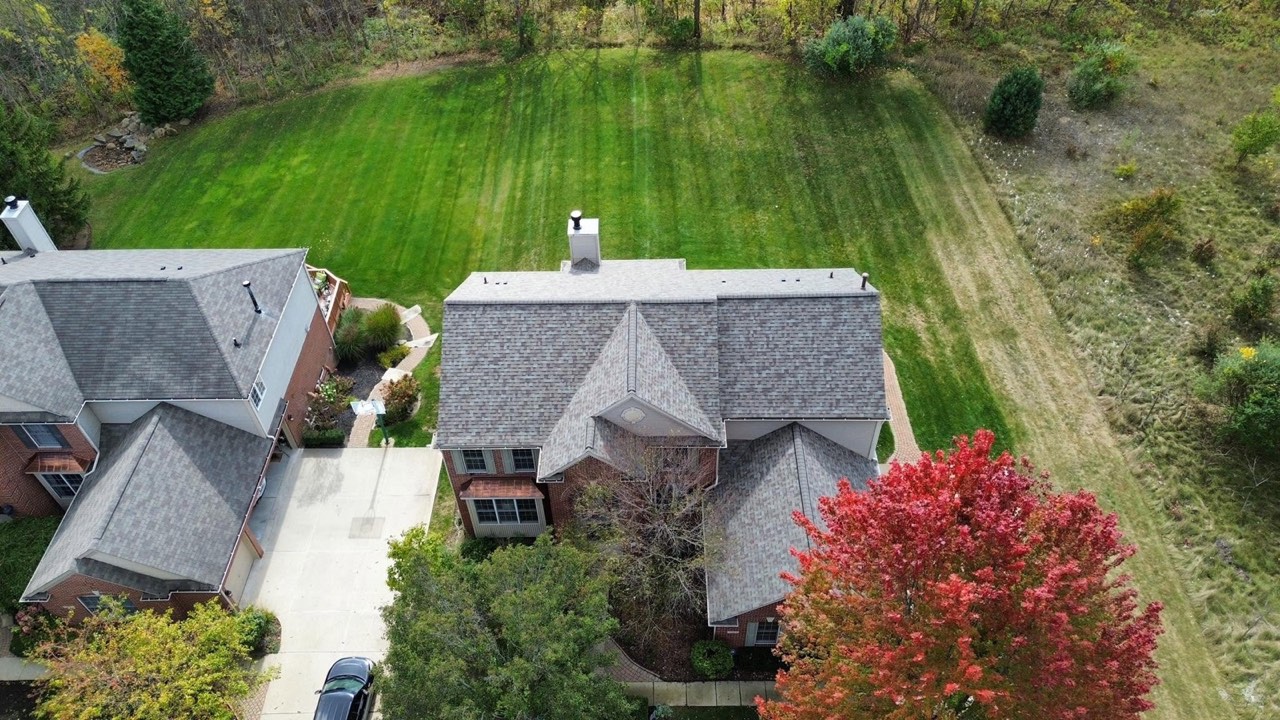
The bungalows built across Wyandotte, Allen Park, Lincoln Park, Taylor, and Southgate in the 1940s and 50s are almost purpose-built for ice dams. Low roof pitches let backed-up water cover more shingle area before it drains. Many are story-and-a-half homes where sloped ceilings sit inches from the roof deck — little room for insulation, no clear air path from soffit to ridge — and knee-wall attics leak warm air through every gap. Add insulation that went in decades ago, and one snowy week is all it takes.
What are the warning signs of an ice dam?
- A thick ridge of ice along the eaves, or oversized icicles concentrated on one roof section and not others.
- Water stains or damp drywall on upper-floor ceilings and exterior walls during or just after a thaw.
- Ice showing behind gutters, in soffit vents, or on siding below the roof edge.
- Frost on the underside of the roof deck in the attic — evidence of the heat and moisture leaks that feed dams.
What can you safely do when a dam forms in winter?
After each significant snowfall, use a roof rake on an extension pole — working from the ground — to clear the lower three to four feet of roof. No snow means no meltwater and no dam. Just as important: never chip or hammer at the ice, since cold shingles are brittle and that damage outlives the winter, and never put rock salt or driveway ice melt on the roof — it corrodes flashing and gutters and stains shingles. If water is coming through a ceiling, call a roofer. We offer same-day tarping and inspection when weather allows in Downriver and the rest of Wayne County, and next-day service across the metro.
What actually stops ice dams for good?
The lasting fix attacks the heat first and the water second:
- Air-sealing. Most attic heat arrives through the attic hatch, recessed lights, bath-fan ducts, and plumbing and wiring penetrations. Sealing those gaps does more than any single upgrade.
- Insulation. Metro Detroit attics should be around R-49 — roughly 14 or more inches of blown insulation. Many post-war homes have a third of that.
- Balanced ventilation. Soffit intake paired with ridge exhaust keeps the roof deck close to outdoor temperature, so the snowpack stops melting from below.
- Ice-and-water membrane. Michigan's residential code requires a self-sealing ice barrier from the roof edge to at least 24 inches past the interior side of the exterior wall — on low-pitch homes that often means two or more courses. It does not prevent the dam; it stops pooled water from getting in.
The first three are attic work. The membrane goes on during a reroof — which is also when ventilation gets corrected — so if a dam-prone roof is near replacement anyway, one project fixes both.
See Your Roof's Instant Price Range
Why is summer the right time to fix an ice dam problem?
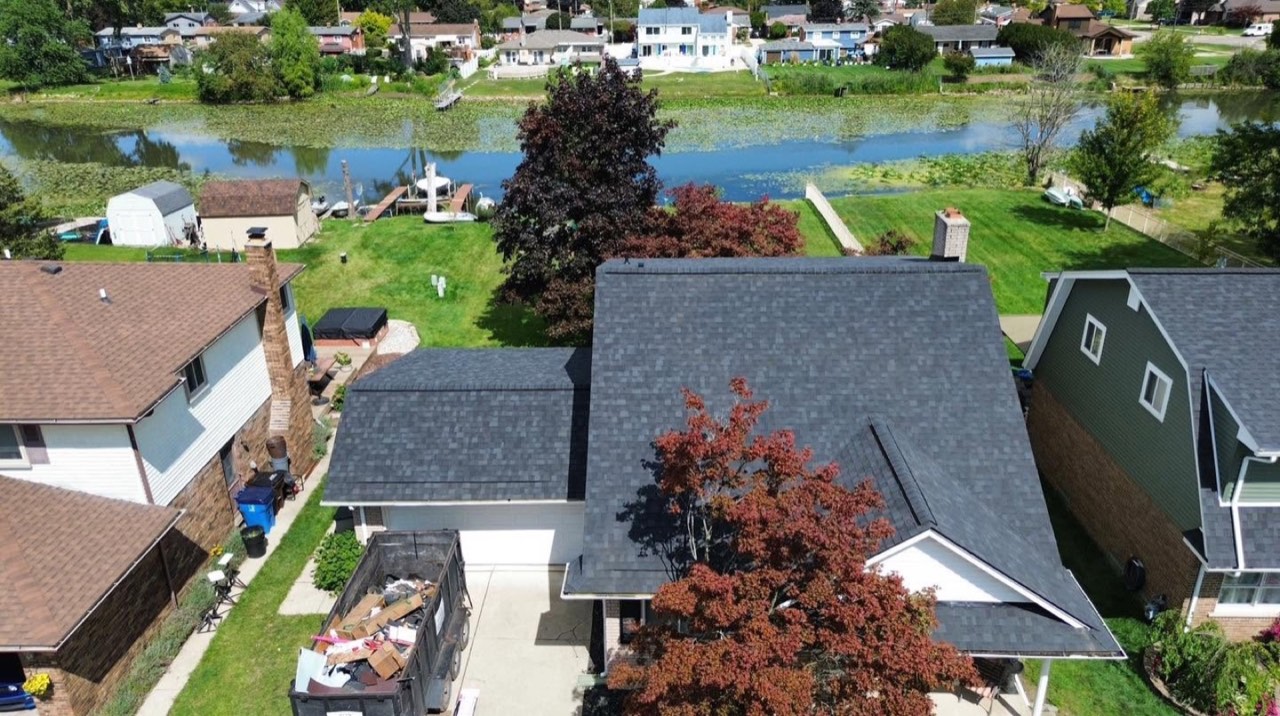
Because none of it can happen once the freeze arrives. Membrane and shingles need a dry deck and sealing temperatures, and fall roofing calendars in metro Detroit fill up weeks ahead — deciding in July or August means choosing your install window instead of taking what is left in October. For budgeting: a typical 1,600-square-foot roof replaced with Owens Corning Duration architectural shingles runs roughly $10,100 to $11,600 installed, with the code-required ice barrier at the eaves included, not an add-on.
Frequently asked questions
Q: Do heat cables stop ice dams? Not really. They melt drainage channels through the ice but treat the symptom, add to your electric bill, and do nothing about the heat loss creating the dam — a stopgap for one chronic trouble spot, not a fix.
Q: Does homeowners insurance cover ice dam damage? Sudden interior water damage from an ice dam is often covered under standard homeowners policies, but terms vary — check your policy and photograph any damage promptly.
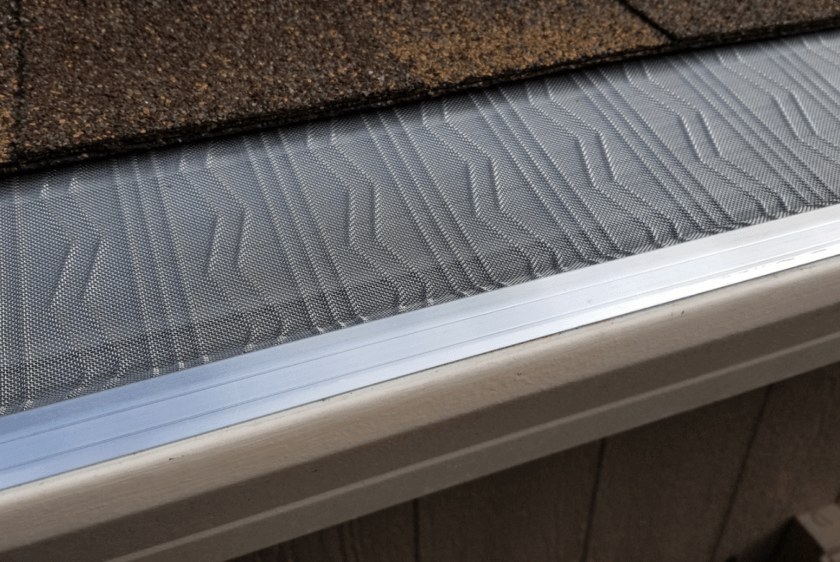
Q: Do gutters cause ice dams? No — dams form with or without gutters, because heat loss is the cause. But leaf-packed gutters freeze solid and give the dam a head start, so clean them thoroughly after leaf drop.
Guthix Roofing is a licensed and insured Michigan builder (License #262600716) based in Wyandotte, serving Wayne, Oakland, Macomb, Washtenaw, and Monroe counties. If your ceilings stain every February, run your address through the instant estimator or call (734) 360-0805 — we will tell you honestly whether you need attic work, a reroof, or both.