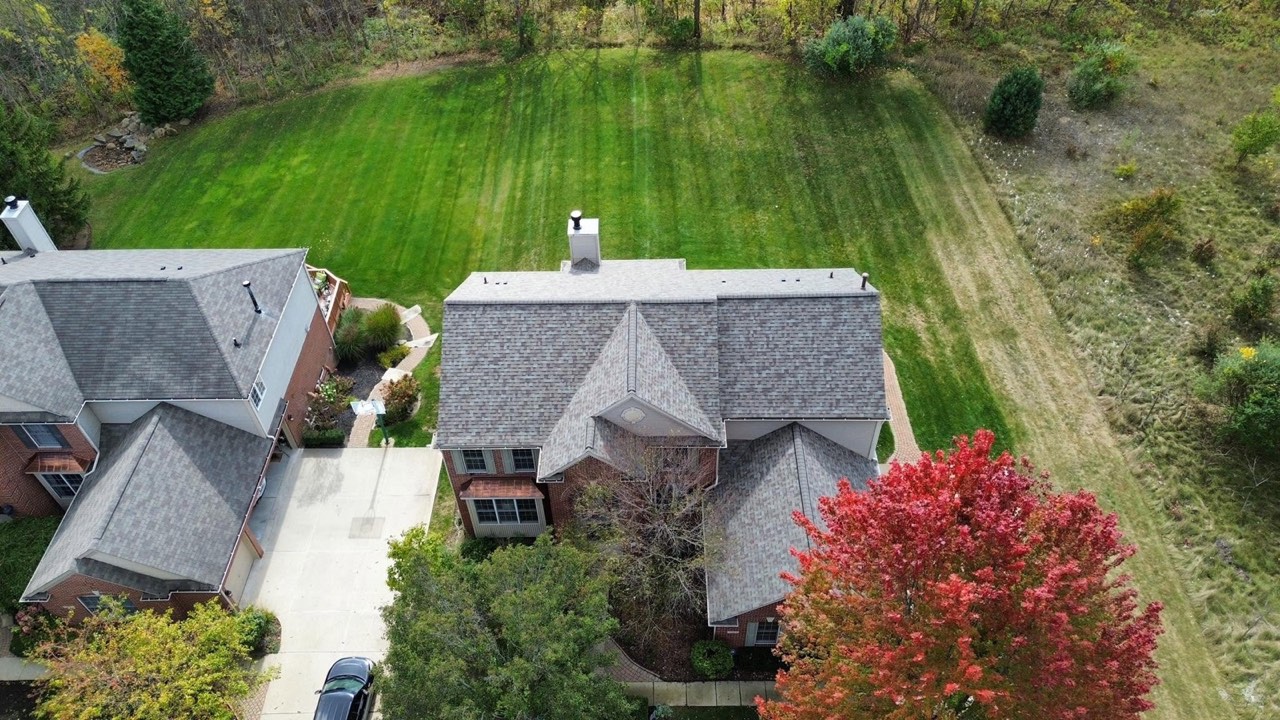
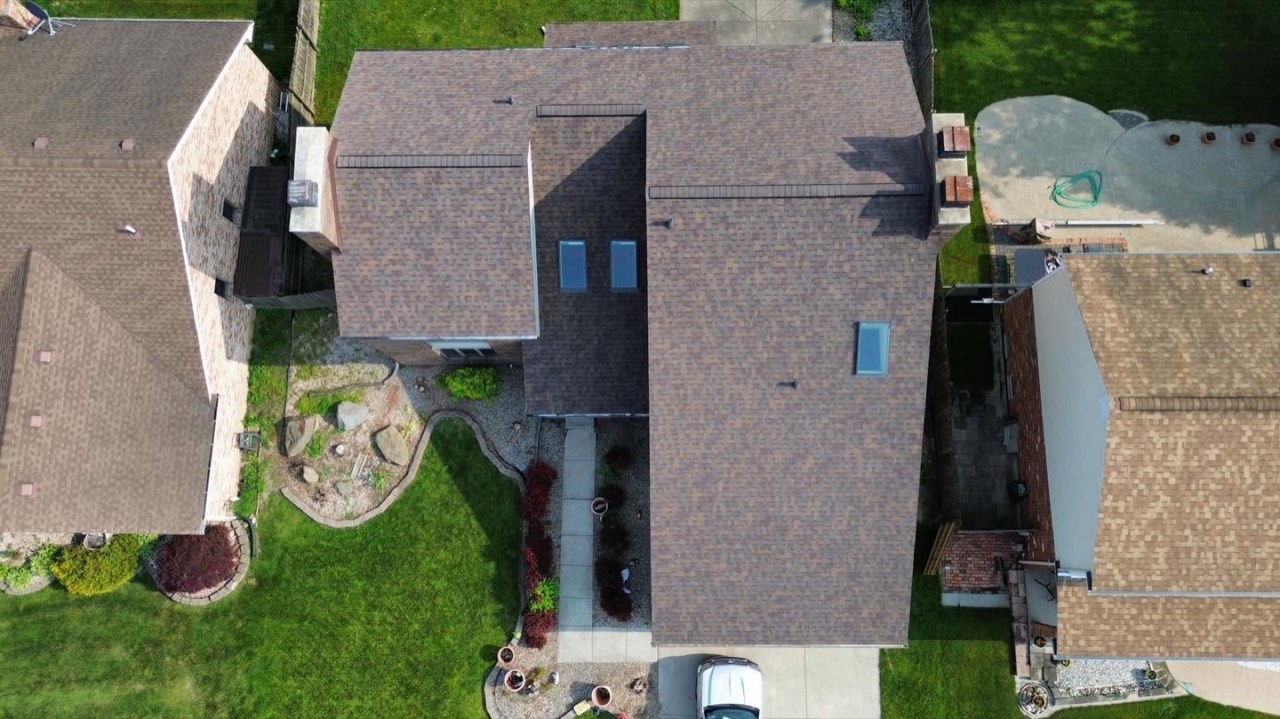
Here's the straight answer: in 2026, a typical roof replacement in metro Detroit costs about $10,100 to $11,600 — that's for a 1,600-square-foot roof with Owens Corning Duration architectural shingles, full tear-off included. Across Wayne, Oakland, Macomb, Washtenaw, and Monroe counties, most homes land between $6,800 and $17,900 depending on roof size, pitch, and complexity, which works out to roughly $6 to $7.50 per square foot of roof surface installed. The rest of this guide shows where your house is likely to fall and why.
These numbers aren't lifted from a national cost site. They come from the same pricing engine that powers the instant quote tool on this site, calibrated against real metro Detroit job costs. Every range below includes tear-off of one shingle layer, disposal, the permit, underlayment and ice-and-water barrier, flashing details, and cleanup — no teaser pricing, no "starting at."
How much does a new roof cost by home size?
One thing first: roof area is not the same as living area. Because a roof is pitched and overhangs the walls, it's always bigger than the floor plan underneath — a 1,300-square-foot ranch might carry a 1,600-square-foot roof. Roofers measure in "squares" (one square = 100 square feet of roof surface), and the table below is priced by actual roof area, the way a real quote is built.
| Roof area | OC Duration (architectural) | Duration FLEX (Class 4 impact) |
|---|---|---|
| 1,000 sq ft — small ranch or bungalow | $6,800 – $7,800 | $7,400 – $8,500 |
| 1,300 sq ft — typical ranch | $8,500 – $10,100 | $9,200 – $10,600 |
| 1,600 sq ft — large ranch / small colonial | $10,100 – $11,600 | $11,000 – $12,700 |
| 2,000 sq ft — two-story colonial | $12,300 – $14,200 | $13,400 – $15,400 |
| 2,600 sq ft — large or complex home | $15,400 – $17,800 | $16,800 – $19,400 |
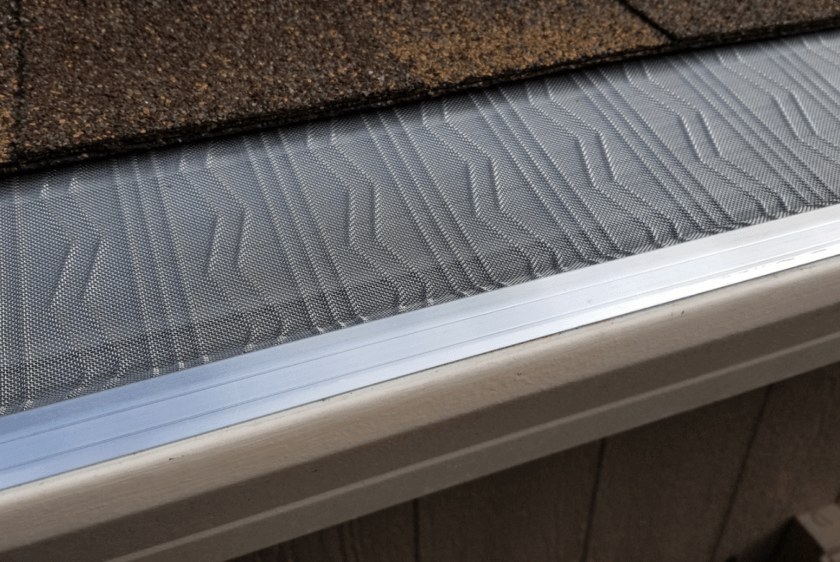
Two common add-ons to know about. If your roof hides a second layer of old shingles under the top one — common on homes that were last roofed with a layover — plan on roughly $1,100 more for the extra tear-off and disposal. And if your gutters are due at the same time, seamless gutters run about $12 per linear foot installed, which puts most homes around $1,200 to $2,400 total.
See Where Your Roof Lands — Instant Quote
What drives the price up or down?
When two bids for the same house come in thousands of dollars apart, one of these four factors is almost always the reason.
| Factor | What it means | Effect on price |
|---|---|---|
| Pitch | Steep roofs require harnesses, staging, and slower, more careful work | A steep colonial costs meaningfully more per square than a walkable ranch |
| Layers | Michigan code allows up to two shingle layers, so many older homes hide a second layer that has to come off | About $1,100 extra for a second-layer tear-off |
| Complexity | Hips, valleys, dormers, and chimneys all add cutting, flashing, and detail work | A simple two-plane gable is the cheapest shape to roof; a cut-up roofline is not |
| Material tier | Duration is the metro Detroit architectural standard; Duration FLEX adds a Class 4 impact rating, the highest tier | FLEX adds roughly 10% to the project |
There's one factor no table can capture: deck condition. Nobody — not us, not anyone — can see the plywood under your shingles until the old roof comes off. An honest contractor handles that by writing a per-sheet decking price into the contract up front, so a soft spot discovered during tear-off never turns into a surprise on the final bill.
Does the price change by county in metro Detroit?
Not the way you might think. Our labor and material costs are the same whether the truck is parked in Wyandotte or West Bloomfield — what changes is the housing stock. Wayne County and the Downriver communities are full of post-war ranches and bungalows with smaller, simpler rooflines, so quotes there tend to cluster toward the lower end of the table, often in the $7,300 to $11,500 range. Oakland and Washtenaw counties have more large two-story colonials with steeper, more cut-up roofs, so estimates there more often land between $12,000 and $17,000 or beyond. Macomb and Monroe counties are a mix of both. Same math, different houses.
How does Michigan compare to the national average?
Michigan sits close to the middle of the pack. Industry data from Modernize, drawn from thousands of recent homeowner projects, shows most Americans spending $9,000 to $18,000 on a roof replacement, and Angi pegs architectural shingles at about $4.11 to $5.57 per square foot installed nationally. Michigan-specific cost data from HomeAdvisor puts the state average near $5.50 per square foot with a typical spread of $3 to $8 depending on material and roof difficulty. Treat those statewide figures as market context — they blend everything from budget 3-tab jobs in low-cost rural areas to slate and metal. The table above reflects what full architectural-shingle replacements actually run in metro Detroit specifically.
Can you finance a new roof?
Yes, and most homeowners don't pay cash. As an example at 9.99% APR over 10 years — the same illustrative terms our instant quote tool displays — a typical $10,100 to $11,600 Duration roof works out to roughly $135 to $155 a month, and a large or complex home in the $15,400 to $17,800 range runs roughly $205 to $235 a month. Actual terms depend on credit approval, but for many families a monthly number is an easier way to think about a project this size than a lump sum.
Why get an instant satellite quote instead of three sales visits?
The traditional way to price a roof is to book three estimates, burn three evenings, and sit through three sales pitches — at least one of which usually involves a binder and a price that mysteriously drops every time you hesitate. We built a different process: type your address into our quote tool and it measures your actual roof from satellite imagery — area, pitch, and facet count — then prices it with the same engine behind the table above. You get a real range in about a minute, with no salesperson on your couch and no obligation. If the number works for you, we confirm the final price with a free on-site inspection before anything is signed. You can even preview shingle colors on a photo of your own house first in our color studio at guthixroofing.com/visualizer.
However you collect your bids, be careful with one that comes in thousands under the rest. The usual reasons: no insurance, no permit, a layover instead of a tear-off, or vague paperwork with no per-sheet decking price and no written workmanship warranty. Ask every contractor for their license number — Michigan residential builder licenses are verifiable with the state, and ours is #262600716.
Frequently asked questions
Q: Is it cheaper to replace a roof in winter?
Sometimes, modestly. Late fall through early spring is the slower season in Michigan, so schedules open up and some contractors sharpen their pricing to keep crews busy. Modern shingles can be installed correctly in cold weather — the sealant strips just take longer to bond until the sun warms them. But don't wait for winter if your roof is actively leaking; water damage costs more than any seasonal discount saves.
Q: Do I need a full tear-off, or can new shingles go over the old ones?
Code allows a second layer, but we recommend a full tear-off every time. A layover hides the deck condition, traps heat, can shorten the new roof's life, and can limit manufacturer warranty coverage. It also just pushes cost down the road — when the roof is eventually replaced again, both layers come off at once.
Q: How long does a roof replacement take?
Most single-family homes in metro Detroit are finished in one to two days — tear-off in the morning, dried in by afternoon, shingles and cleanup after that. Very large, steep, or cut-up roofs, or jobs with significant deck repair, can take longer, and we'll tell you that before we start.
Q: Is Duration FLEX worth the extra 10%?
It depends on your roof's exposure. FLEX carries a Class 4 impact rating — the highest tier — which matters if your street has taken hail or wind-driven debris before. Some insurers also offer premium discounts for Class 4 shingles, so on a five-figure project the roughly $1,000 upgrade can pay part of itself back over time. A quick call to your insurance agent before you decide can change the math.
Guthix Roofing is a licensed and insured Michigan residential builder (License #262600716) based in Wyandotte, serving Wayne, Oakland, Macomb, Washtenaw, and Monroe counties. If you want a real number for your own roof, the fastest path is the instant quote below — or call (734) 360-0805 and we'll talk it through, no pressure either way.