A roof is one of the largest investments in your home, and in metro Detroit it works harder than almost anywhere else. Between freeze-thaw cycles that pry at shingles, heavy snow loads, ice dams, spring storms, and humid summers, a Michigan roof faces every kind of stress in a single year. The good news: a few hours of seasonal attention can add years to its life and help you catch small problems before they become expensive ones.
Spring: assess the winter's damage
Winter is the toughest season on a roof, so spring is the most important time to look it over. After the last hard freeze, walk your property and inspect from the ground with binoculars before anyone gets on a ladder.
- Look for shingles that are cracked, curled, lifted, or missing after wind and ice.
- Check for granules collecting in gutters and at downspout outlets — heavy granule loss is a sign of aging shingles.
- Inspect flashing around chimneys, vents, and skylights for gaps or rust where ice dams form.
- Look inside your attic for water stains, daylight, or damp insulation — the earliest signs of a leak.
Summer: clean, clear, and ventilate
Summer's dry stretches are the right time for cleaning and airflow checks. Proper attic ventilation keeps heat and moisture from cooking your shingles from below and is one of the most overlooked factors in roof lifespan.
- Trim back tree limbs that overhang or rub the roof — they drop debris and give squirrels a bridge.
- Clear moss and algae streaks, which hold moisture against the shingle surface.
- Confirm soffit and ridge vents are unobstructed so hot attic air can escape.
Fall: prepare for the freeze
Fall prep is what prevents the ice dams and clogged-gutter overflows that cause the most winter damage. Do this before the first snow flies.
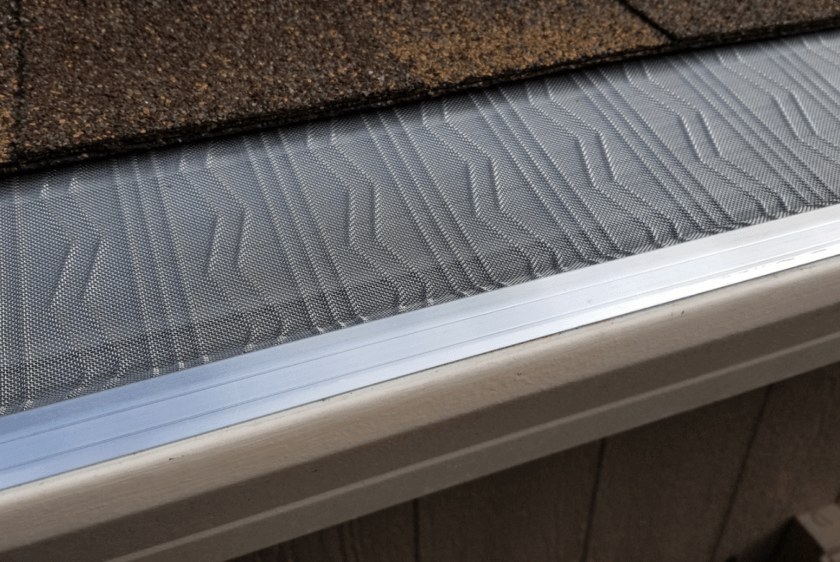
- Clean gutters thoroughly after the leaves drop — clogged gutters are the number-one cause of ice dams and fascia rot.
- Make sure downspouts carry water several feet away from the foundation.
- Re-seal any flashing or pipe boots showing wear, and replace cracked caulk.
- Schedule any needed repairs now — you do not want a roofer up there in January.
Winter: watch from the ground
Once snow arrives, stay off the roof. Instead, watch for warning signs you can see safely from below: thick icicles or a ridge of ice along the eaves (classic ice-dam signs), and interior ceiling stains. Use a roof rake to pull snow off the lower few feet of the roof after heavy storms to relieve the load and reduce ice-dam buildup.
When to call a professional
If you see active leaks, sagging, large areas of damaged shingles, or you simply would rather not get on a ladder, a professional inspection is worth it. At Guthix Roofing we measure your roof from satellite imagery and confirm everything with a free on-site inspection, so you get an honest assessment and a clear, itemized estimate — with no pressure.