A roof replacement is not a purchase most homeowners make often, which is exactly why vague pricing is frustrating. If you are asking how much does a new roof cost in Michigan, a realistic planning range for a professionally installed architectural asphalt shingle roof is often $10,000 to $22,000 for a typical single-family home. Smaller, simple roofs may fall below that range, while larger homes, steep rooflines, multiple layers of tear-off, and underlying repairs can push the total past $25,000.
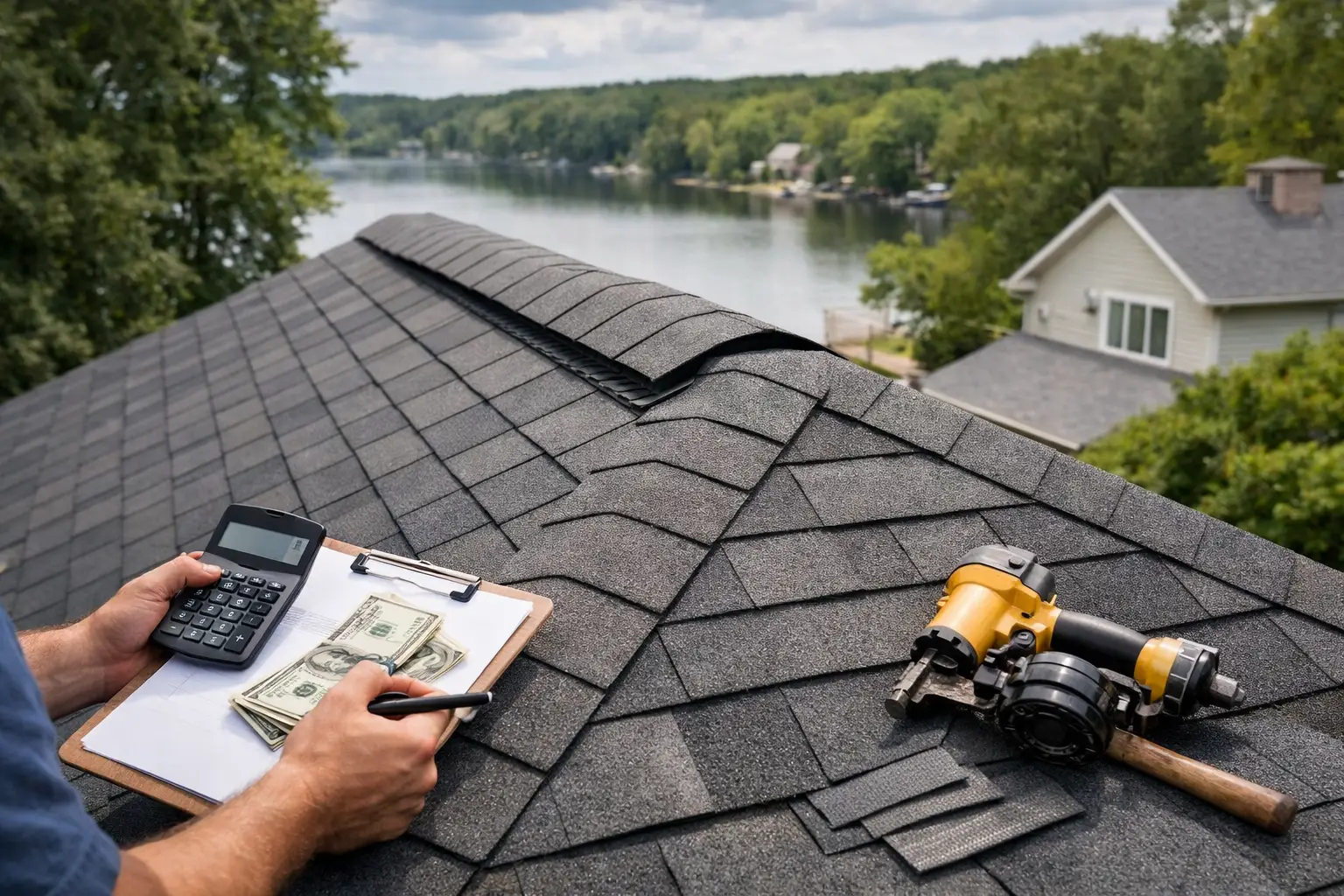
The number that matters is not a one-size-fits-all average. It is the documented price for your roof, including the materials, labor, tear-off, protection details, cleanup, and any work that may be needed once the existing shingles come off. A clear estimate lets you compare contractors without guessing what was left out.
What does a new roof cost in Michigan by home size?
Roofing is priced by the size and complexity of the roof itself, not simply by the square footage inside your home. A two-story home with a compact roof can cost less to reroof than a larger ranch with many valleys, dormers, and low-slope sections.
For many metro Detroit homeowners, these broad installed-price ranges can help with early budgeting for an architectural asphalt shingle roof:
- A smaller or simpler roof, roughly 1,200 to 1,800 square feet of roof area, may cost about $8,000 to $14,000.
- An average-sized roof, roughly 1,800 to 2,800 square feet of roof area, commonly falls between $12,000 and $20,000.
- A large or complex roof, roughly 2,800 to 4,000 or more square feet of roof area, may run from $18,000 to $30,000 or more.
Those ranges assume a complete replacement performed by a licensed and insured contractor, not a cosmetic patch or a low-bid install with missing scope items. Final pricing depends on measurements, roof access, material selection, and the condition of the deck underneath the old shingles.
The biggest factors that change your roof replacement price
A roofing estimate should make the reasons behind the price easy to see. These are the cost drivers that deserve a clear explanation.
Roof size and layout
More roof area requires more shingles, underlayment, flashing, labor, and disposal. Complexity matters just as much. Valleys, hips, dormers, skylights, chimneys, and multiple roof levels take additional time and materials to install correctly.
Steep roofs also increase labor requirements. Crews need more safety equipment and more time to move materials and work securely. That does not mean a steep-roof estimate should be mysterious. It means the added labor should be reflected clearly in the scope.
Tear-off and disposal
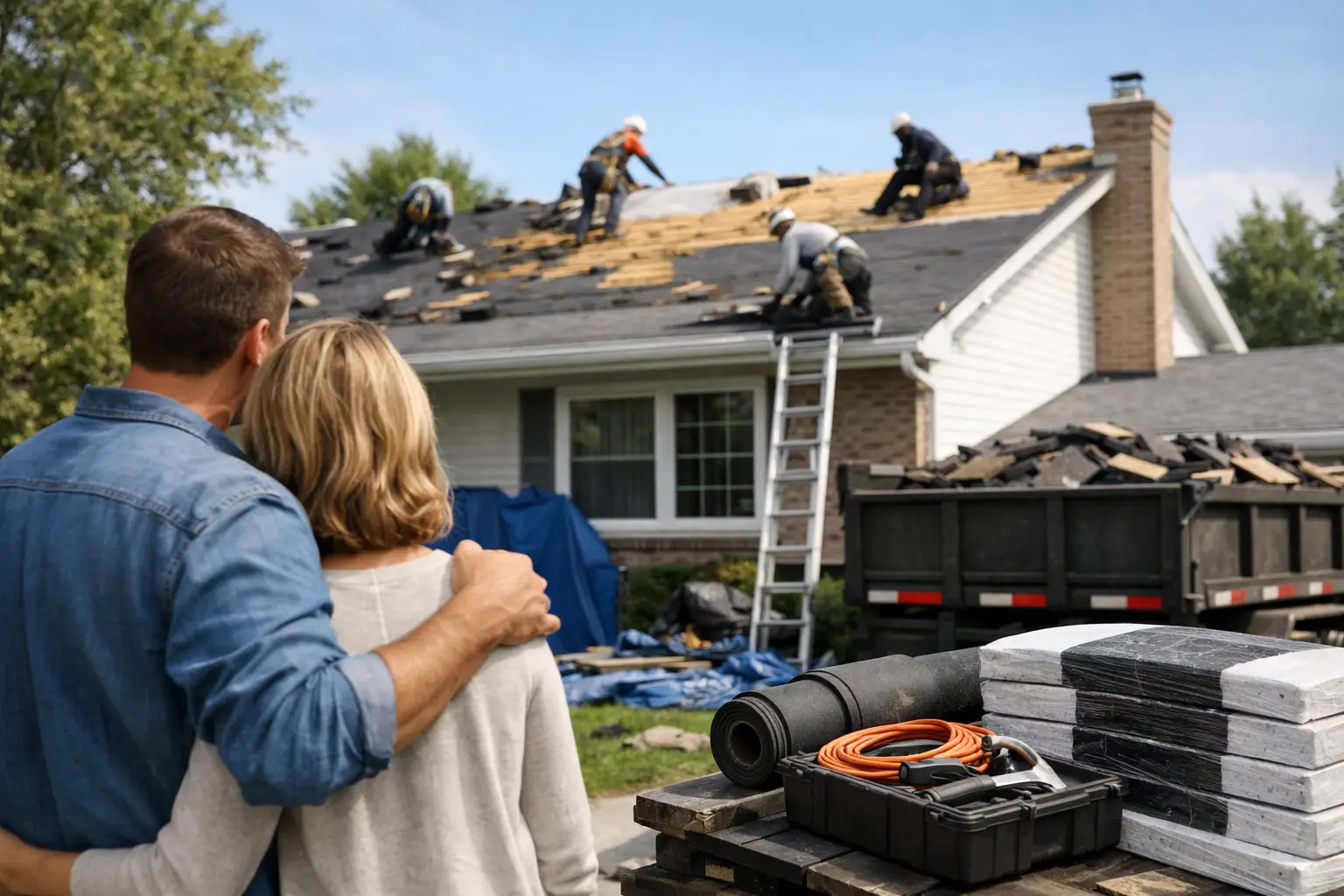
Most full roof replacements involve removing the existing shingles down to the roof deck. Tear-off allows the installer to inspect the decking and install the new system on a clean surface. Disposal costs include labor, dumpsters, hauling, and disposal fees.
Michigan building requirements and the condition of the existing roof may determine whether a second layer can remain. Even when an overlay is technically possible, it is worth understanding the trade-off. Leaving old shingles in place can hide decking concerns, add weight, and make it harder to create a clean, durable installation.
Decking repairs
Roof sheathing is the wood surface beneath the shingles. If water intrusion has caused rot, delamination, or soft spots, damaged sections should be replaced before the new roof is installed.
No responsible contractor can confirm every decking repair before tear-off. A good estimate explains how this possibility is handled, including the per-sheet cost of replacement material and labor. That is not a hidden cost when it is documented upfront. It is a condition-based repair that cannot be fully verified until the old roof comes off.
Shingles and the rest of the roof system
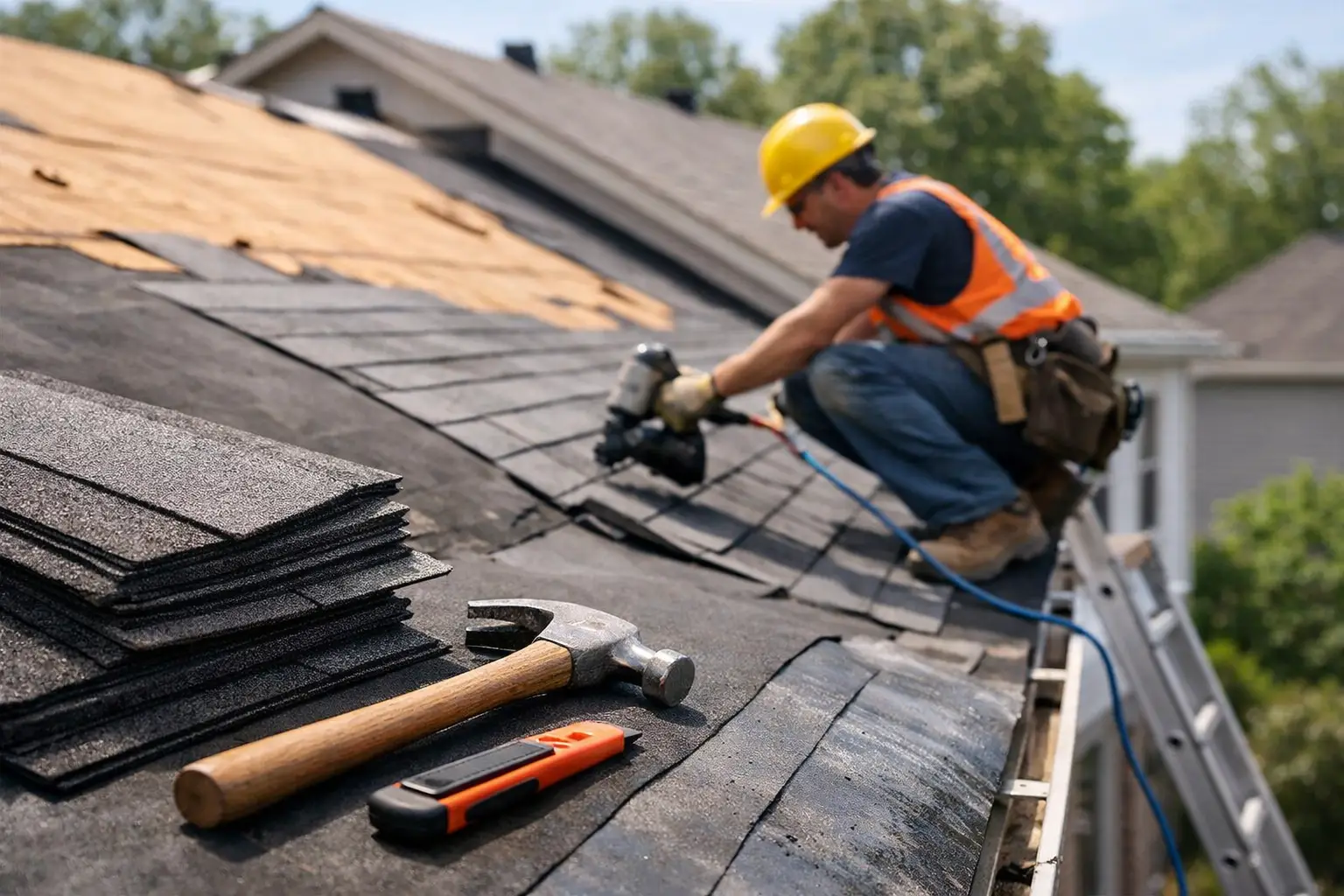
Shingles receive most of the attention, but a roof is a system. The estimate should account for starter shingles, ridge cap shingles, underlayment, ice and water protection, ventilation components, flashing, pipe boots, and fasteners.
Premium architectural shingles, such as Owens Corning Duration® shingles, usually cost more than basic three-tab shingles. In return, homeowners get a dimensional appearance and a material designed for stronger wind performance when installed as part of a complete system. For many Michigan homes, that is a practical trade-off: a higher initial investment for a roof built to handle snow, wind, rain, and seasonal temperature changes.
Ventilation and flashing details
Poor attic ventilation can contribute to excess heat and moisture, which can shorten shingle life and create comfort issues inside the home. A complete roof evaluation should consider intake and exhaust ventilation rather than treating it as an afterthought.
Flashing is another detail that should never be skipped to lower a quote. Areas around chimneys, walls, valleys, and penetrations are common leak points. Reusing damaged flashing or failing to address these transitions can turn a cheaper estimate into an expensive repair later.
Why Michigan weather affects roofing decisions
Michigan roofs deal with freeze-thaw cycles, wind-driven rain, ice buildup, snow loads, and humid summers. Material selection and installation details need to reflect those conditions.
Ice and water protection is especially relevant along eaves and other vulnerable areas. Proper flashing, balanced ventilation, and carefully installed shingle components also matter more than a brochure warranty alone. A quality roof should be installed according to local code and manufacturer requirements, with the details documented before work begins.
Timing can influence scheduling, but homeowners should be cautious about assuming an off-season roof replacement will always cost dramatically less. Material costs, labor availability, weather windows, and project conditions all affect the final number. The better question is whether the contractor has a realistic installation plan and clear protections for your home if the weather changes.
How to compare roofing estimates without getting surprised
A low number is not automatically a lower total cost. It may simply exclude work another contractor included. Before comparing estimates, make sure each proposal answers the same questions: Is tear-off included? How many layers are being removed? What shingle and underlayment products are specified? Are flashing and ventilation addressed? How are decking repairs priced? Is cleanup included?
You should also confirm that the contractor is licensed and insured, provides a written workmanship warranty, and identifies the manufacturer warranty available for the selected system. Ask for the payment schedule in writing. A professional estimate should make it easy to understand what you are paying for before a crew arrives.
Satellite measurements can provide a fast starting point for pricing, but they should be paired with a real inspection when needed. They can measure roof area and geometry efficiently, while an inspection helps identify visible concerns such as damaged shingles, flashing problems, ventilation issues, or signs of water intrusion.
Is roof replacement worth it before a leak gets worse?
Often, yes. A roof that is near the end of its service life can allow small issues to become larger ones quickly. Water can damage decking, insulation, ceilings, walls, and personal belongings long before a homeowner sees a major interior stain.
Warning signs include curled or missing shingles, widespread granule loss, recurring leaks, soft spots, visible sagging, damaged flashing, and a roof that is approaching or beyond its expected age. An inspection can help separate a repairable issue from a roof that needs full replacement. The goal is not to sell work you do not need. It is to give you enough information to avoid making a major decision in the dark.
For southeast Michigan homeowners, the most useful next step is a clear, itemized roof price based on your actual home, not a national average. Guthix Roofing provides satellite-measured pricing designed to give homeowners a starting number quickly, with no hidden costs and no pressure to commit before the scope makes sense.
A new roof should feel like a controlled investment, not a contractor gamble. Get the measurements, review the written scope, ask about the protection details, and choose the option that gives your home a durable system and you a clear record of what is included.