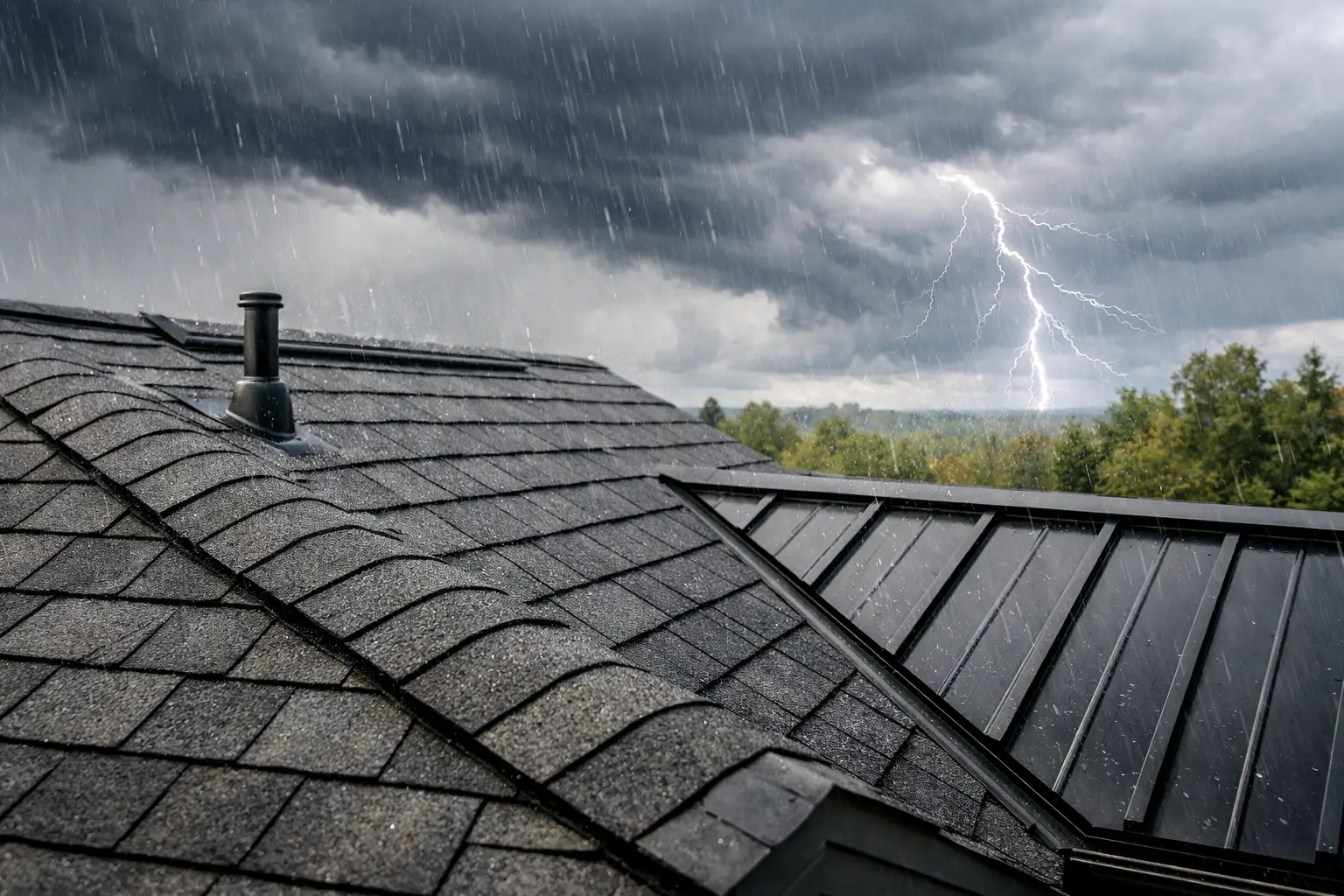

A roof replacement is loud, active work that happens directly above your living space. The best way to keep the day controlled is to know how to prepare for roof replacement before the crew arrives. A few practical steps can protect your belongings, keep installers moving safely, and reduce avoidable surprises.
For most homes, installation takes one day, though roof size, complexity, weather, decking repairs, and local inspection requirements can affect the schedule. Your contractor should explain the expected timeline, the work area, material delivery, cleanup plan, and what happens if conditions change. Clear answers before work begins are a sign of a well-managed project.
Confirm the Scope Before Materials Arrive
Preparation starts with the written estimate, not the morning of installation. Review the line items and make sure you understand what is included: tear-off and disposal, underlayment, flashing, ventilation, drip edge, shingles, permits if required, and cleanup. If your project includes gutters, confirm whether they will be installed on the same day or scheduled separately.
Ask how the contractor handles damaged roof decking discovered after the old shingles are removed. No reputable contractor can see every concealed issue in advance, but the process for documenting and approving additional work should be clear. You should know the unit price, who will contact you, and whether photos will be provided.
This is also the time to confirm your shingle color and any accessory choices. Architectural shingles, ridge caps, and ventilation components should work together as a complete roof system. In southeast Michigan, details such as ice and water protection, proper flashing, and attic ventilation matter as much as the shingles you see from the street.
Clear Access Around the House
Roofing crews need a safe path to the roof and a convenient place to stage materials and dispose of old roofing. Move vehicles out of the driveway and garage before the scheduled start time. Parking on the street is usually best, provided it does not interfere with trucks, trailers, or neighborhood rules.
Clear the immediate perimeter of the home. Move patio furniture, grills, potted plants, lawn ornaments, sports equipment, and anything fragile away from the walls. A distance of at least 10 to 15 feet is a sensible target where space allows. Crews use tarps and protection methods, but roofing debris can travel farther than expected during tear-off.
If you have a locked gate, make sure the crew can access it. Unlock sheds only if access has been requested. Trim back low branches that interfere with roof edges or ladder placement, but do not attempt significant tree work right before installation without discussing it first.
Protect Items in the Attic and Garage
Roof replacement creates vibration. In a finished attic, remove or cover delicate items, framed art, electronics, and valuables. In an unfinished attic, cover stored belongings with sheets or lightweight tarps to protect them from dust that may shift during the tear-off process.
The same applies to an attached garage. Items on high shelves can move when the roof is being worked on overhead. Relocate breakables, and avoid leaving a vehicle inside if the garage roof is part of the replacement. Keeping the garage clear also gives you easier access to your vehicle after the project is complete.
Prepare Your Family, Pets, and Workday
The sound of old shingles being removed is not subtle. Expect hammering, footsteps, compressors, material movement, and occasional vibration throughout the day. If you work from home, plan meetings away from the house or use noise-canceling headphones. A quiet video call is difficult to guarantee during active roofing work.
Pets often find roof replacement stressful. Keep dogs and cats indoors in a quiet room away from the work area, or arrange for them to stay with family, at daycare, or in a boarding facility for the day. Let the crew know about pets, especially if someone may need to enter through a gate or exterior door.
Young children should be supervised and kept out of the driveway, yard, and material staging area. Roofing is a construction site, even when the project is at a home. Nails, tools, ladders, and debris create hazards that should not be treated casually.
If you need to leave during the installation, provide a reliable phone number and make sure the contractor knows the best way to reach you. You do not need to stand outside all day, but you should be available for questions about unforeseen conditions or finish details.
Let Neighbors Know What to Expect
A brief heads-up is a considerate step, especially in close metro Detroit neighborhoods. Tell adjacent neighbors the scheduled date, explain that there may be temporary noise and truck activity, and ask them to move vehicles if they regularly park close to your driveway.
This is particularly helpful when homes are close together or share narrow access. It can prevent frustration over blocked parking and gives neighbors time to secure outdoor items. Your contractor should keep the worksite orderly, but a little advance communication makes the day easier for everyone.
Check Electrical, Landscaping, and Exterior Details
Look up before the crew arrives. Low-hanging utility lines, satellite dishes, exterior cameras, holiday lights, and decorative fixtures can affect access or need temporary attention. Do not disconnect electrical equipment yourself unless you know it is safe to do so. Instead, point out any concerns during the pre-installation conversation.
Landscaping deserves attention, too. Crews can protect shrubs and beds, but tightly planted landscaping directly against the house has limited room for staging and cleanup. Move lightweight planters and cover particularly delicate plants if recommended. If you have a sprinkler system, mark exposed heads near the driveway or work area so they are less likely to be damaged by vehicles or equipment.
Keep exterior outlets accessible if the crew has requested them. If a gate, light, or camera needs special handling, mention it before installation day rather than expecting the crew to identify it during setup.
Know What a Clean Worksite Should Look Like
A professional roof replacement is not finished when the last shingle is installed. It is finished after the site has been cleaned, debris has been removed, and the crew has completed its final check. Ask how the contractor protects landscaping, manages debris, and checks for nails. Magnetic nail sweeps are standard practice, but no cleanup method is perfect, particularly around dense landscaping or gravel.
After the crew leaves, walk around the property in daylight. Look at the driveway, patios, decks, landscaping beds, and the areas where materials were staged. Check that gates are closed, exterior items are back where expected, and accessible gutters and downspouts appear secure if they were part of the scope.
Then review the roof from the ground. You are not looking for individual shingle details, but for an overall finished appearance: straight lines, consistent color, clean edges, and no obvious leftover materials. Keep your contract, warranty documents, final invoice, and any installation photos in your home records.
A Simple Roof Replacement Day Checklist
The day before your project, make sure you have handled these final details:
- Move vehicles, patio furniture, grills, and fragile outdoor items away from the house.
- Clear attic and garage storage from areas below the roof, or cover it from dust.
- Make arrangements for pets, children, and work calls affected by construction noise.
- Unlock gates and provide any necessary access instructions or contact information.
- Confirm the scope, schedule, payment expectations, and process for hidden decking damage.
Choose Clarity Over Last-Minute Guesswork
Learning how to prepare for roof replacement is less about doing construction work yourself and more about creating clear access, protecting what matters, and knowing what your contractor has committed to provide. The details should be documented before the crew arrives, not explained under pressure once work is underway.
At Guthix Roofing, that means clear line items, licensed and insured installation, and a defined process from estimate through cleanup. When the workday starts with a prepared home and a documented plan, you can focus on the result: a roof built to protect your home through Michigan weather for years to come.
Need this done on your Downriver home?
Guthix Roofing is based in Wyandotte and serves Downriver and Wayne County. See roof replacement from a licensed local roofer, or get an instant satellite-measured price — no name or phone needed to see the number.