A roof can look fine from the driveway and still be one hard Michigan winter away from a leak. That is why a useful shingle durability review has to look beyond color, price, and a brochure warranty. Real durability comes from the shingle itself, the full roof system underneath it, and the workmanship that ties every detail together.
For metro Detroit homeowners, the question is rarely whether weather will test a roof. It will. Wind can lift poorly secured shingles, freeze-thaw cycles can work water into vulnerable edges, and heavy snow can expose weak ventilation or flashing. The goal is not to find a roof that promises to last forever. It is to choose a system built for local conditions and installed with a clear, documented scope.
What Shingle Durability Actually Means
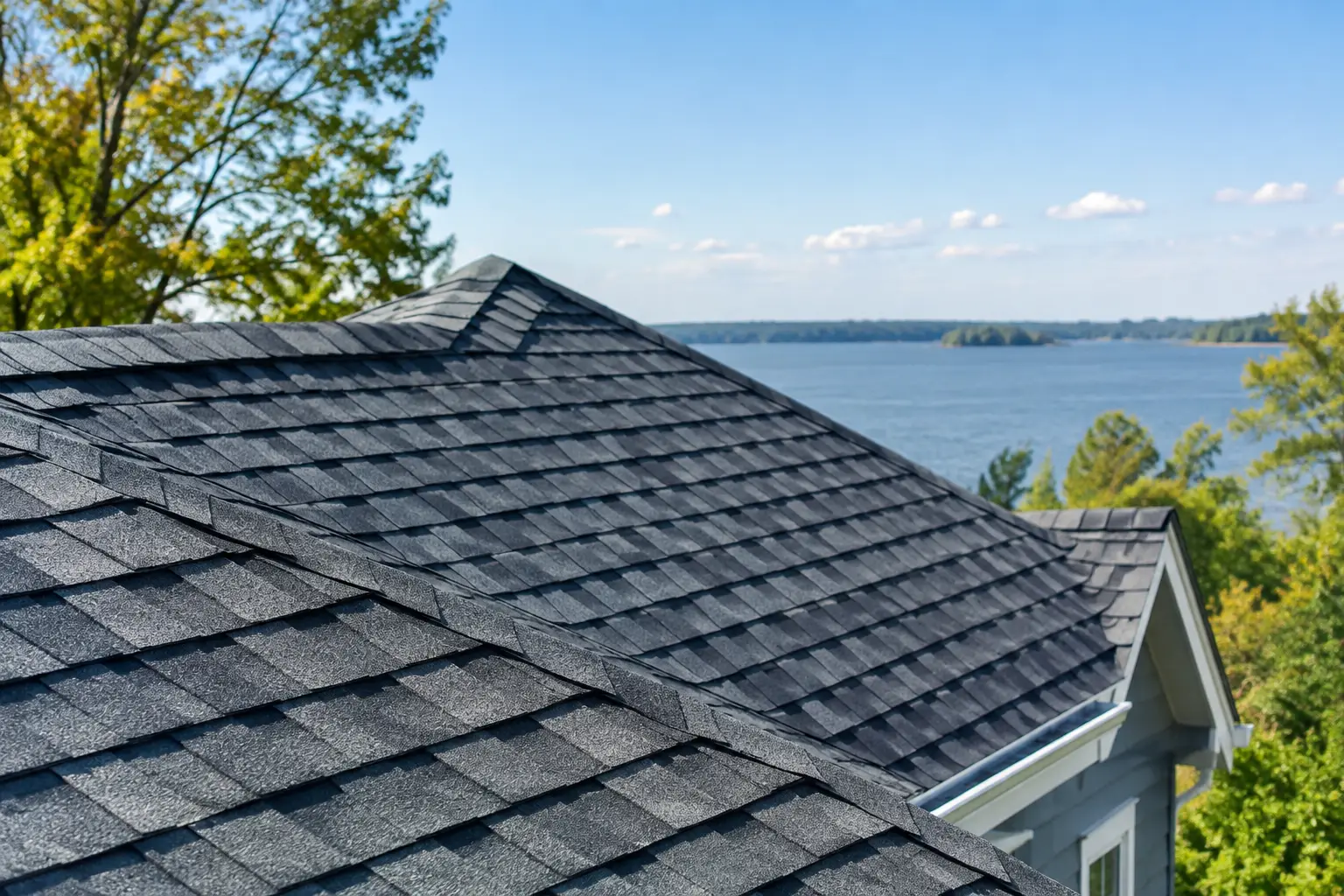
Durability is a combination of several types of performance. A shingle needs to resist wind uplift, shed water, tolerate temperature changes, hold its granules, and maintain its appearance over time. Architectural asphalt shingles are designed with a thicker, layered construction than basic three-tab shingles, giving them more depth and generally stronger resistance to weathering.
But shingles do not work alone. Roof decking, underlayment, ice and water protection, starter shingles, ventilation, flashing, and ridge caps all affect how long the finished roof performs. A premium shingle installed over soft decking or paired with incomplete flashing is not a premium roof system.
This is where homeowners should be careful with simple lifespan claims. One roof may last decades with proper ventilation and prompt repairs, while an identical shingle on a poorly ventilated roof can age much faster. The material matters. Installation conditions matter just as much.
Shingle Durability Review: What to Check First
When comparing asphalt shingles, start with the practical evidence of performance rather than the marketing language on the package. Look at the wind rating, warranty terms, impact-resistance classification when relevant, algae protection, and the components required for the manufacturer’s enhanced warranty coverage.
Wind resistance
Wind damage often starts at the edges, rakes, ridges, and around penetrations. Architectural shingles with a properly installed starter course and correctly placed fasteners provide stronger protection than a basic installation that skips system details.
Wind ratings are helpful, but they are not a guarantee that no shingle will ever lift in an extreme storm. The rating assumes the shingles are installed according to the manufacturer’s specifications. Nail placement, nail count, deck condition, and sealing strips all affect the result. If an estimate does not explain these details, it is hard to know what level of protection you are actually buying.
Water and ice protection
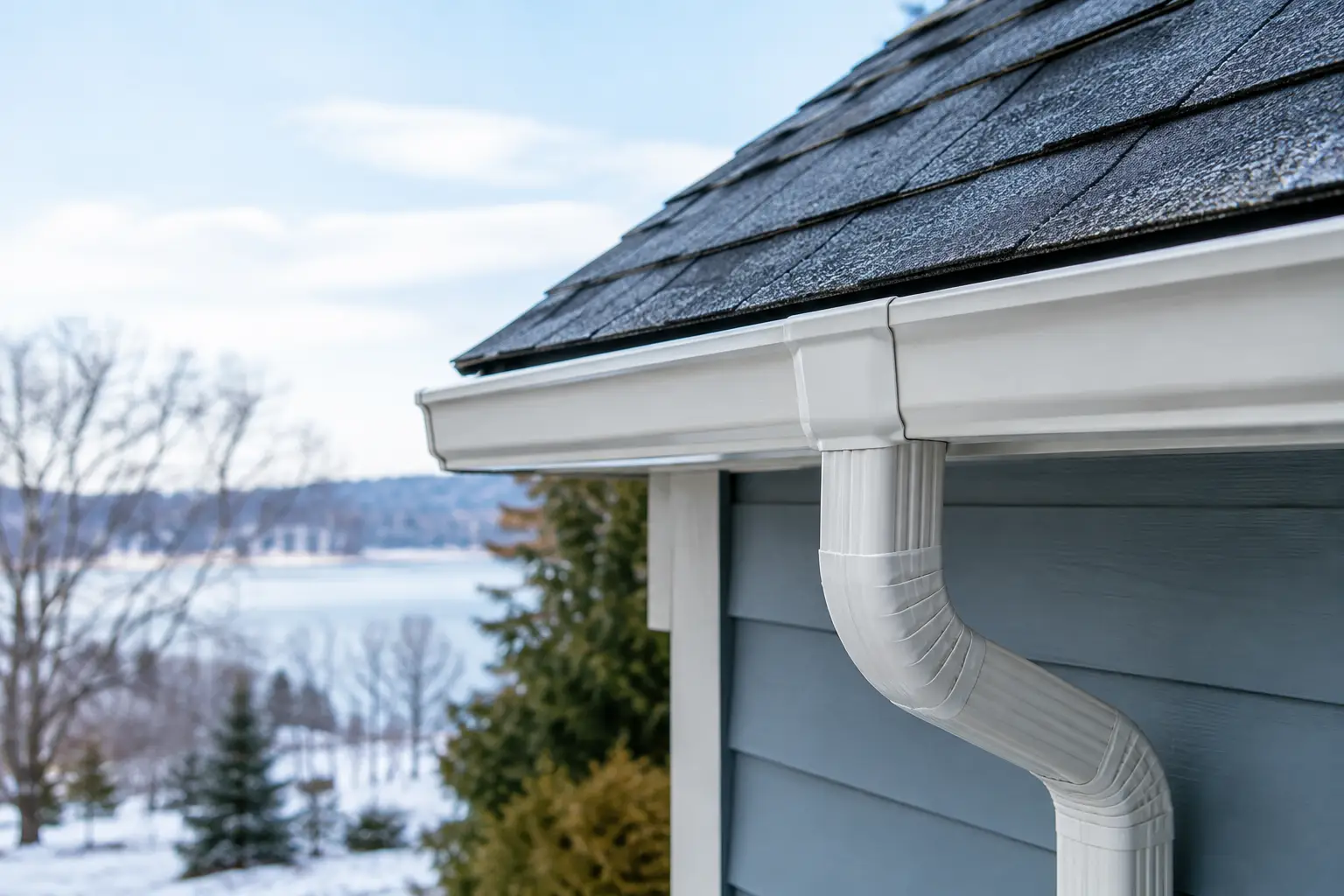
Michigan roofs face a specific problem: snow melts, water travels down the roof, and then it can refreeze near the colder eaves. That ice buildup can force water backward beneath shingles if the roof lacks proper protection.
Ice and water barrier at vulnerable roof areas is not an optional upgrade to treat casually. It is a critical part of a code-compliant roof replacement. Proper underlayment across the remaining deck helps manage wind-driven rain and provides another layer of protection during installation and throughout the roof’s service life.
Granule retention and aging
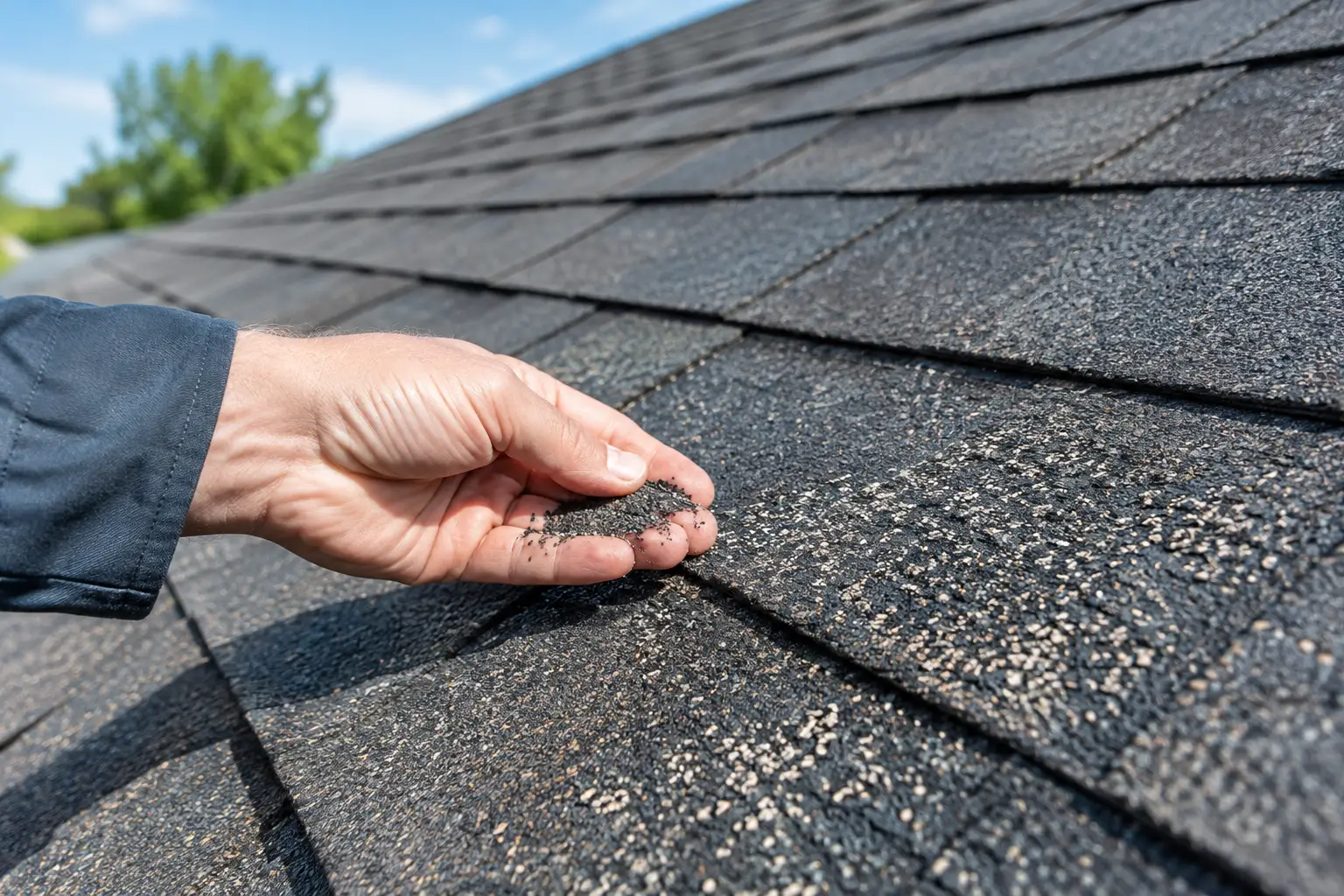
Asphalt shingles are coated with granules that help protect the asphalt from ultraviolet exposure and give the roof its color. Some loose granules after a new installation are normal. Significant or widespread granule loss later in the roof’s life is not.
Heat, sunlight, poor attic ventilation, and physical wear can all contribute to aging. You may notice bare-looking patches, darker areas, cracking, curling, or granules collecting in gutters. These are signs to schedule an inspection, especially if the roof is approaching the later part of its expected service life.
Algae resistance
Dark streaking is common in humid climates and shaded areas. It is often algae, not necessarily a sign that the roof is leaking or failing. Still, homeowners understandably do not want a relatively new roof to look stained.
Many premium architectural shingles include algae-resistant technology. It can help reduce streaking, but no product can control every environmental factor. Trees, roof orientation, moisture, and nearby homes can all influence how a roof looks over time.
Why Owens Corning Duration Shingles Are a Practical Choice
Owens Corning Duration® shingles are a strong fit for homeowners who want an architectural asphalt roof system with proven, homeowner-friendly performance features. Their design includes a reinforced nailing area intended to help improve fastening consistency and wind resistance when installed correctly.
The key phrase is “when installed correctly.” A good shingle gives the installer a better system to work with, but it cannot compensate for shortcuts. The crew still needs to inspect the deck, replace compromised wood where necessary, install flashing correctly, use the required underlayments, and maintain appropriate ventilation.
Duration shingles also offer a broad range of colors, which matters when you are protecting both the home and its curb appeal. Color selection should be practical, not rushed. A roof is a large visual surface, and the right tone should work with the brick, siding, trim, and surrounding light conditions. A color visualization tool can help narrow the options before work begins.
Installation Is the Make-or-Break Durability Factor
A roof replacement is not simply a matter of laying new shingles over an old problem. The existing roof must be evaluated for deck damage, improper ventilation, aging flashing, and areas where water may have entered. A transparent estimate should separate the base scope from any potential repairs that can only be confirmed after tear-off.
That clarity protects homeowners from vague allowances and surprise charges. It also creates a record of what is included: tear-off, disposal, underlayment, ice and water barrier, flashing work, ventilation components, shingle system, cleanup, and warranty documentation.
During installation, several details deserve close attention:
- Decking should be checked after the old roofing is removed, since soft or deteriorated wood cannot reliably hold fasteners.
- Flashing around chimneys, walls, skylights, and vent pipes should be properly integrated with the new roofing materials, not merely covered over.
- Attic intake and exhaust ventilation should be evaluated together. Adding exhaust vents without enough intake air may not solve excess heat and moisture.
- Cleanup should include magnet sweeping for nails and removal of debris from the property, driveway, and landscaping.
These are not cosmetic extras. They are the details that determine whether a roof handles the next storm as a system.
Durability Trade-Offs Homeowners Should Understand
The most expensive shingle is not automatically the best value for every home. A higher-impact-resistance option may make sense in an area with frequent hail claims, but it can cost more upfront. A darker color may complement a home beautifully, yet it can show fading differently than a lighter color over many years. Architectural shingles are a meaningful upgrade from three-tab shingles, but they are not the same as metal, slate, or tile in expected lifespan or cost.
For many Southeast Michigan homes, a well-installed premium architectural asphalt system offers the practical middle ground: durable weather performance, attractive design options, repairability, and a manageable replacement cost. The right decision depends on roof complexity, budget, local exposure, and how long you expect to own the home.
Warranty coverage deserves the same practical approach. Read what is covered, what installation requirements apply, and whether labor coverage differs from material coverage. A written warranty is valuable, but a licensed and insured local contractor who documents the work gives you a clearer path if a concern arises.
Signs Your Current Shingles May Be Near the End
Age alone does not determine whether replacement is necessary, but it provides context. If your roof has recurring leaks, missing or lifted shingles, visible cracking, curling edges, heavy granule loss, or damaged flashing, an inspection is the right next step.
Do not wait for a ceiling stain to become the first confirmation of a roofing problem. By then, water may have already affected insulation, decking, or interior finishes. A professional inspection can distinguish between a targeted repair and a roof that needs replacement, without treating every concern as a full reroof sale.
A durable roof should make homeownership quieter, not more complicated. If you are weighing your options, Guthix Roofing can provide a clear inspection and itemized estimate so you can compare materials, scope, and warranty protection with zero surprises.
Need this done on your Downriver home?
Guthix Roofing is based in Wyandotte and serves Downriver and Wayne County. See roof replacement from a licensed local roofer, or get an instant satellite-measured price in about a minute — just your name and mobile, no phone call.
Our full guide: Owens Corning Duration vs. Duration FLEX: Is the Upgrade Worth It in Michigan?, written by Greg Tittle.