A roof replacement is one of those projects that feels urgent long before it feels simple. You may see granules in the gutters, a ceiling stain after heavy rain, curled shingles, or a roof that is simply nearing the end of its expected life. A clear roof replacement process guide helps turn that uncertainty into a plan: inspect the roof, confirm the scope, choose materials, schedule installation, and verify the finished work.
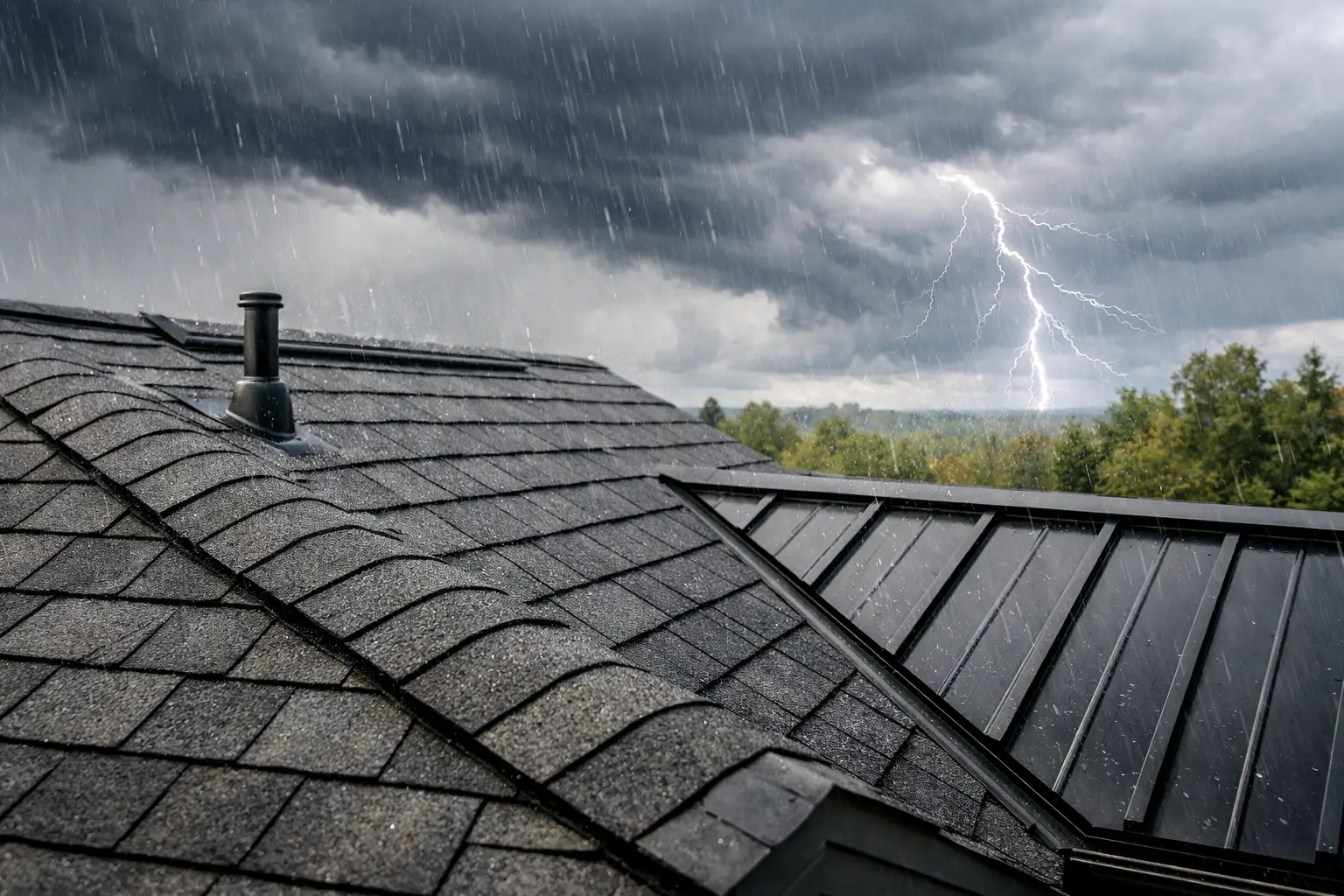
For metro Detroit homeowners, the details matter. A roof has to stand up to wind, snow, freeze-thaw cycles, summer heat, and the water-management challenges that come with all four seasons. The right contractor should make each decision clear before work begins, with no hidden costs and no pressure to approve a vague proposal.
Start With a Professional Roof Inspection
The replacement process should begin with an inspection, not a sales pitch. A qualified roofing professional looks beyond the shingles to assess the roof deck, flashing, ventilation, penetrations around vents and pipes, valleys, and the condition of the gutters.
Not every aging roof needs immediate replacement. A localized issue, such as damaged flashing around a chimney or a few missing shingles after a storm, may be repairable. Replacement is generally the better long-term option when damage is widespread, shingles are brittle or repeatedly failing, leaks keep returning, or the roof is near the end of its service life.
Ask for the findings to be explained in plain language. You should understand what was observed, why it matters, and whether a repair is a realistic option. Photos can be especially useful because they document conditions you cannot safely see from the ground.
Get an Itemized Estimate Before You Commit
Price alone does not tell you whether two roofing proposals cover the same work. One estimate may include tear-off, underlayment, flashing, ventilation, cleanup, and disposal, while another may leave key items unclear until the job is underway. That is where unexpected costs often begin.
A transparent estimate should identify the roof area, selected shingle system, removal of existing roofing material, underlayment, ice and water protection where required, flashing work, ventilation components, disposal, and warranty information. If gutters are being replaced at the same time, that scope should be separately identified as well.
Satellite-based measurements can make the first pricing step faster and more convenient, particularly for homeowners who want a documented starting point without an unnecessary visit. Guthix Roofing provides pricing in 60 seconds, then confirms the details through inspection and consultation so the final scope matches the home.
Before signing, clarify how the contractor handles concealed conditions. For example, damaged roof decking may not be visible until old shingles are removed. A reputable contractor will explain how that possibility is documented, priced, and approved rather than treating it as an open-ended surprise.
Choose a Roofing System, Not Just a Shingle Color
Architectural asphalt shingles are a practical choice for many Michigan homes because they offer dimensional appearance, dependable performance, and a broad range of colors. But the shingle is only one part of the system. The layers underneath and the components around roof openings do much of the work that keeps water out.
An Owens Corning Duration® roof system, for example, can pair architectural shingles with compatible underlayment, starter shingles, ridge shingles, and ventilation. The right combination depends on the roof design, existing ventilation, local code requirements, and your goals for appearance and long-term protection.
Color is worth considering in context. Look at brick, siding, trim, and neighboring homes, but also view samples outdoors. A color can look very different in direct sun, shade, or on a cloudy Michigan afternoon. A visual color tool can help narrow options before making a final selection.
The Roof Replacement Process Guide: Installation Day
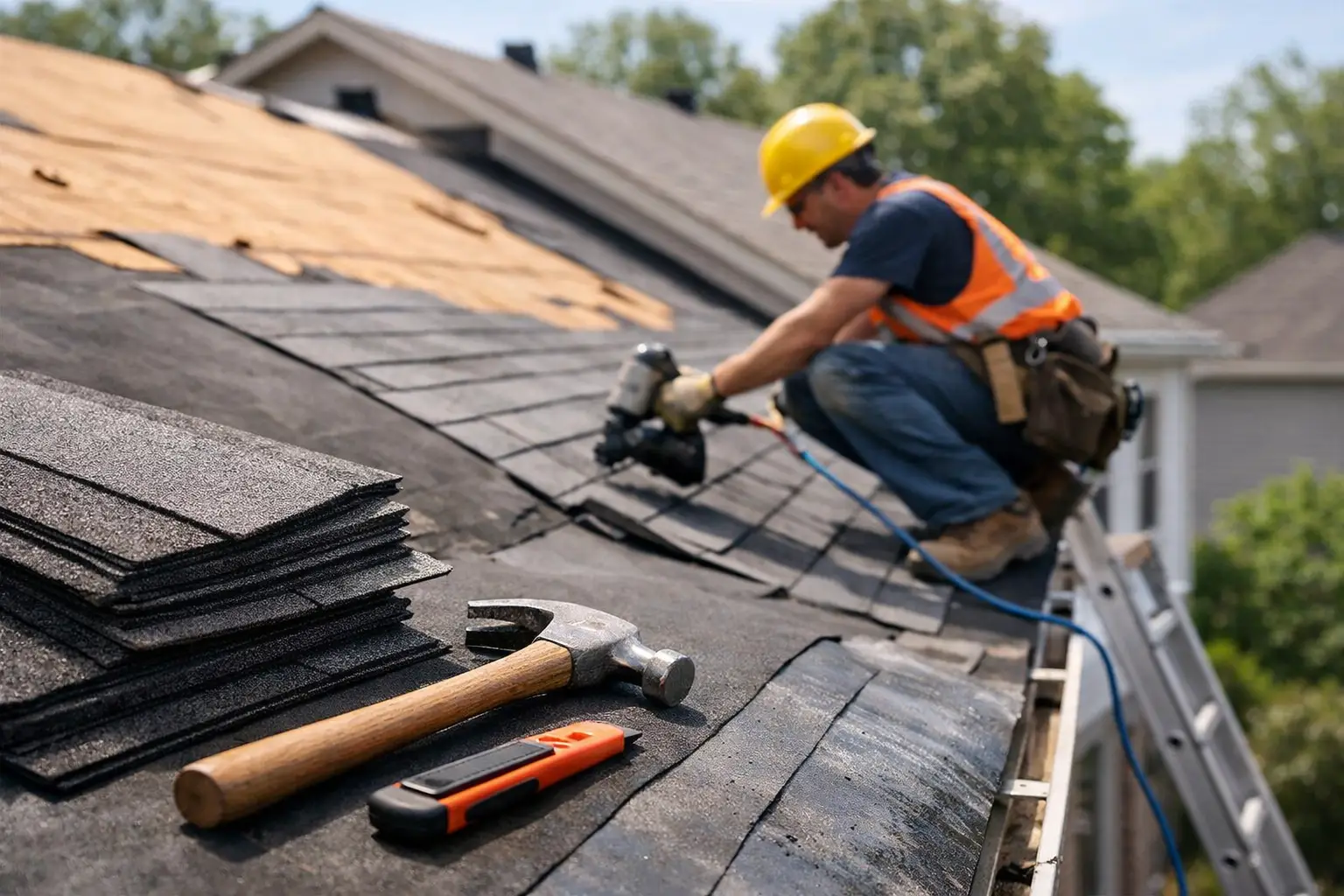
Most straightforward residential roof replacements can be completed in a day, although roof size, pitch, weather, deck repairs, and complex features can extend the schedule. Your contractor should give you a reasonable timeline before the crew arrives and communicate promptly if conditions change it.
Prepare the Home and Yard
Roofing is active work. Crews will need access to the driveway, roof perimeter, and a place for materials and disposal equipment. Move vehicles out of the garage and away from the work area, secure outdoor furniture and decorations, and keep children and pets safely inside or away from the property.
Inside the home, vibration can shift lightweight items on walls or shelves. It is smart to remove fragile decorations from walls and protect valuables in the attic. If you have concerns about landscaping, gates, or access, raise them before installation day so the crew can plan around them.
Remove the Old Roofing and Inspect the Deck
The existing roofing material is removed to expose the deck beneath it. This is the point where the crew can confirm the condition of the wood surface that supports the new roof. Sound decking is essential because even premium shingles cannot perform properly over compromised wood.
If deck damage is found, the contractor should show or document the issue and explain the needed repair. Small areas of replacement are not unusual on older roofs, especially near prior leaks, eaves, chimneys, or bathroom vents. Clear communication here protects both the homeowner and the quality of the finished installation.
Install the Protective Layers and Shingles
Once the deck is ready, the crew installs the system in sequence. This typically includes protection at vulnerable areas, underlayment across the roof deck, starter material at the edges, shingles, flashing around walls and penetrations, and ridge components at the top of the roof.
Flashing deserves special attention. Water tends to find weaknesses around chimneys, skylights, sidewalls, plumbing vents, and valleys. Properly integrated flashing is more meaningful than a roof that simply looks neat from the street.
Ventilation is also reviewed as part of the system. Balanced intake and exhaust ventilation can help manage heat and moisture in the attic. The appropriate approach depends on the home's existing design, so a contractor should not recommend a one-size-fits-all solution without assessing the roof.
Cleanup Should Be Part of the Work, Not an Afterthought
A roof replacement creates debris, nails, and packaging. Professional crews protect the work area as much as practical, collect tear-off materials, and use magnetic tools to pick up nails around driveways, walkways, and landscaping. At the end of the project, the site should look like your property again, not like a construction zone.
Before the crew leaves, walk the exterior if possible. Check that gutters and downspouts were not damaged, gates are secured, and visible debris has been removed. Some homeowners also prefer to inspect the attic after the next rain for added peace of mind, especially if there were leaks before replacement.
Plan Around Southeast Michigan Weather
Roofing crews can work in a range of conditions, but weather affects scheduling. Rain, snow, high winds, and unsafe temperatures may delay installation because exposed decking and installer safety should never be treated casually. A short delay is preferable to a rushed job that compromises protection.
You can help by being flexible with the schedule and confirming how weather updates will be handled. If a project is postponed, ask whether materials will remain protected and when the contractor expects to reschedule. Clear answers are a good sign that the process is being managed responsibly.
Review Your Warranty and Final Documentation
A new roof should come with more than an invoice. Keep copies of your signed estimate, material information, warranty documents, payment records, and any photos or inspection notes from the project. These records can be useful for future maintenance, insurance questions, and resale.
There are usually separate protections involved: a manufacturer warranty for qualifying materials and a workmanship warranty from the installer. Read both. Know what is covered, how long coverage lasts, whether registration is required, and whom to contact if a concern appears. Licensed and insured installation, code-compliant workmanship, and written warranty terms give you a far stronger position than verbal assurances.
A good roof replacement should leave you with fewer questions, not more. Choose a contractor that explains the scope before work starts, documents changes if they arise, and treats your home with care from the first inspection through final cleanup. That is how a major exterior project becomes a controlled, confident decision instead of a contractor headache.
Need this done on your Downriver home?
Guthix Roofing is based in Wyandotte and serves Downriver and Wayne County. See roof replacement from a licensed local roofer, or get an instant satellite-measured price — no name or phone needed to see the number.