A roof can look fine from the driveway and still be nearing the end of its useful life. Missing granules, lifted shingle edges, recurring leaks, or a roof that is simply 20 years old can turn into a larger repair when Michigan rain, snow, and freeze-thaw cycles arrive. The roof replacement cost Detroit homeowners pay depends on more than a square-foot number. It depends on the roof’s shape, the condition of the deck beneath it, the materials selected, and whether the estimate accounts for the full system.
For many metro Detroit single-family homes, a complete architectural asphalt shingle roof replacement commonly falls in the range of roughly $9,000 to $20,000 or more. Smaller, straightforward ranch homes may land below that range, while large homes, steep roofs, multiple layers, complex valleys, and material upgrades can push the investment higher. A real price should be based on measurements and a documented scope, not a guess made from the curb.
What Is Included in Roof Replacement Cost in Detroit?
A roof is not just shingles. A proper replacement is a layered weather-management system designed to shed water, manage attic moisture, and hold up through changing temperatures. That is why two quotes with a similar shingle name can have very different totals and very different long-term results.
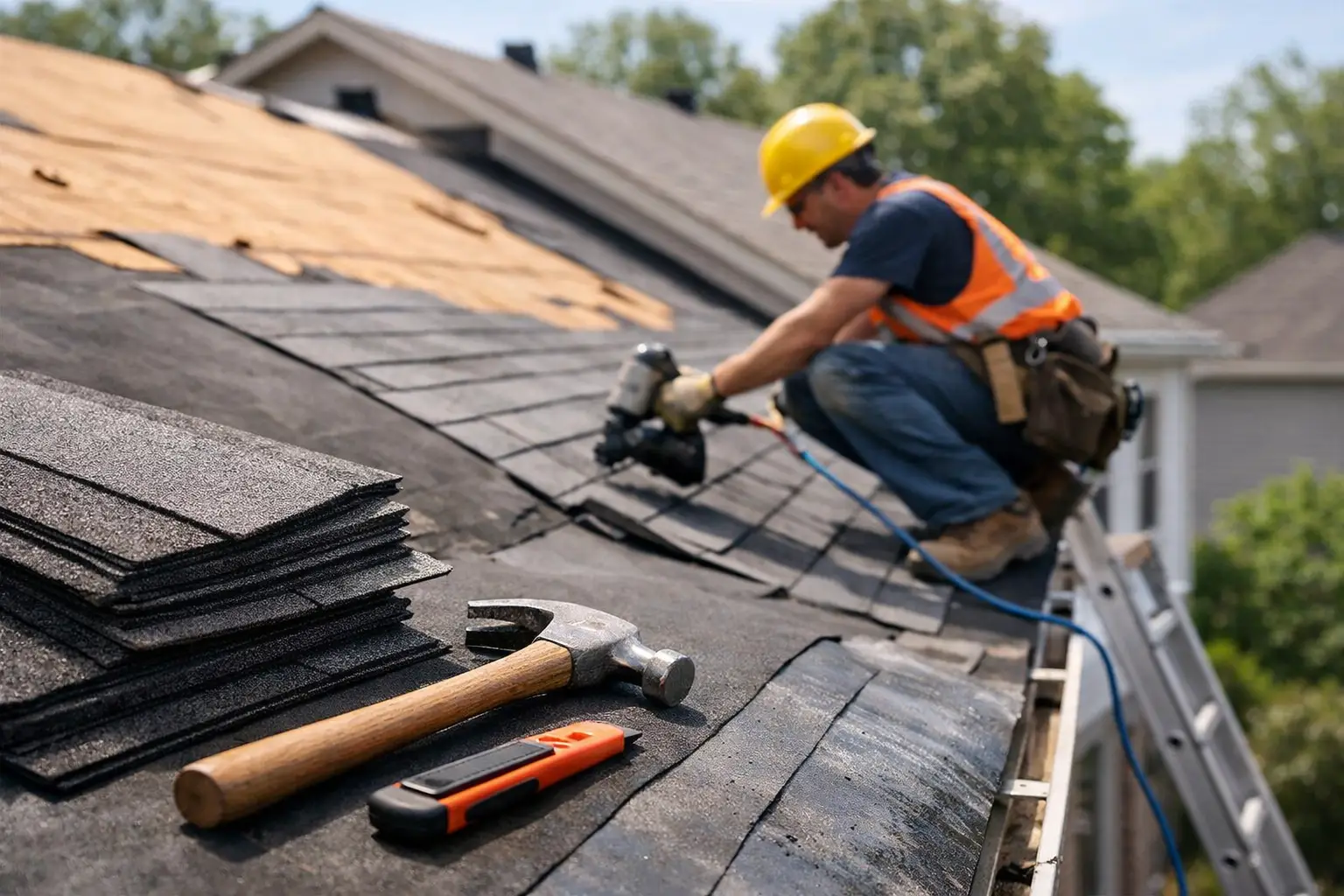
A complete estimate should identify the roof area being priced and explain whether it includes tear-off and disposal, underlayment, starter shingles, ice and water protection, flashing work, ridge cap shingles, ventilation, permits when required, and cleanup. If the existing decking has soft spots or water damage, replacement plywood may be an additional charge. That is normal, but the pricing method should be clear before work begins.
Detroit-area homes also need careful attention around vulnerable areas. Ice dams can force water beneath shingles at eaves. Chimneys, wall intersections, valleys, skylights, and pipe penetrations all require properly installed flashing and waterproofing details. A lower quote that skips these components is not necessarily a lower-cost roof. It may simply move the risk to the homeowner.
The Biggest Factors That Change Your Price
Roof size and complexity
Roofing is measured in squares, with one square equal to 100 square feet of roof surface. The actual roof area is often substantially larger than the home’s footprint because of pitch, overhangs, garages, dormers, and additions.
Complexity matters just as much as area. A simple two-plane roof gives installers room to work efficiently. A roof with steep sections, several dormers, tight access, hips, valleys, skylights, or a chimney takes more labor, more cutting, and more flashing. Those details add cost, but they are also where water problems are most likely to start if workmanship is rushed.
Tear-off layers and deck condition
Removing one layer of old shingles is a common part of replacement. Removing two layers requires more labor and disposal, and it can reveal problems hidden below. Local code requirements and the condition of the existing roof can affect whether an overlay is even appropriate.
Once old materials are removed, the roof deck can be inspected. Small areas of damaged plywood are not unusual on an older roof, particularly near leaks, chimneys, or poorly ventilated eaves. An itemized estimate should explain the base scope and how any necessary deck repairs will be handled. That creates a fair process without pretending that concealed damage can be priced perfectly before tear-off.
Shingle quality and system components
Basic three-tab shingles may carry a lower initial price, but many homeowners choose architectural shingles for their thicker profile, stronger wind performance, and better appearance. Premium architectural products such as Owens Corning Duration® shingles are built for the conditions Michigan roofs face, but the product is only one part of the system.
Underlayment, ice and water protection, starter courses, matching ridge caps, and balanced ventilation all influence performance. Choosing a better shingle while cutting corners on the materials underneath it is rarely a good trade-off. The right question is not only, “What brand of shingle am I getting?” It is, “What complete roof system is being installed, and what does the written warranty cover?”
Ventilation and attic conditions
Attic ventilation does not always make a roof quote dramatically higher, but correcting it can protect the investment. Poor airflow can contribute to excessive attic heat, moisture buildup, shortened shingle life, and winter ice-dam concerns.
The solution depends on the home. Some roofs need ridge vent and intake ventilation at the soffits. Others have design limitations that require a different approach. A contractor should inspect the existing ventilation rather than automatically adding a visible vent and calling the issue solved.
Access, height, and site logistics
A detached home with wide driveway access is easier to stage than a home with limited space, extensive landscaping, or a steep rear roof over a deck. Protecting landscaping, moving materials safely, and managing debris are part of a responsible installation plan.
These factors do not mean homeowners should accept vague add-ons. They mean the quote should reflect the site conditions from the start. Clear pricing is especially valuable when a project has features that make it less routine.
Why Detroit Roofing Estimates Can Differ So Much
It is reasonable to compare estimates. It is also essential to compare the scopes line by line. One contractor may quote a full tear-off with code-compliant ice protection, new flashing details, ventilation work, and a written warranty. Another may show one low number with few details. Those are not equivalent proposals.
Be cautious when an estimate does not state the shingle type, number of layers to be removed, underlayment, flashing scope, ventilation plan, cleanup expectations, or warranty terms. Homeowners should also confirm that the contractor is licensed and insured for the work being performed. A roof replacement affects the structure, the interior, and the property’s resale appeal. It should not be treated as an informal cash job.
The lowest number can be the right choice only when the materials, protections, and workmanship standards are truly the same. More often, a lower quote leaves out labor-intensive steps that are hard to see once the new shingles are installed. Transparent scope protects both sides because everyone knows what is included before the crew arrives.
How to Budget Without Chasing a Guess
Start with an accurate roof measurement. Satellite-based measurements can provide a useful initial price quickly, then a free inspection can verify site conditions and identify details that require attention. This approach is more useful than waiting days for a sales visit just to receive a broad price range.
When reviewing an estimate, ask whether it is itemized and whether there are any allowances or potential additional charges. Deck replacement is a common variable, but the estimate should state a per-sheet price if repairs are needed. Ask how permits, disposal, and flashing are handled. Ask whether the final amount can change and under what specific circumstances.
If gutters are aging, dented, undersized, or poorly sloped, it can be efficient to address them during the roof project. Seamless aluminum gutters formed on-site offer a custom fit, and coordinating the work can prevent a new roof from being disrupted later. Still, roof and gutter replacement should be priced separately enough that you can understand each decision.
Financing may help spread the cost, but it should not replace scope review. A monthly payment can make a project feel affordable while obscuring the total investment, interest, or exclusions. Get clear on the installed system first, then evaluate payment options that fit your household budget.
What a Trustworthy Roof Replacement Process Looks Like
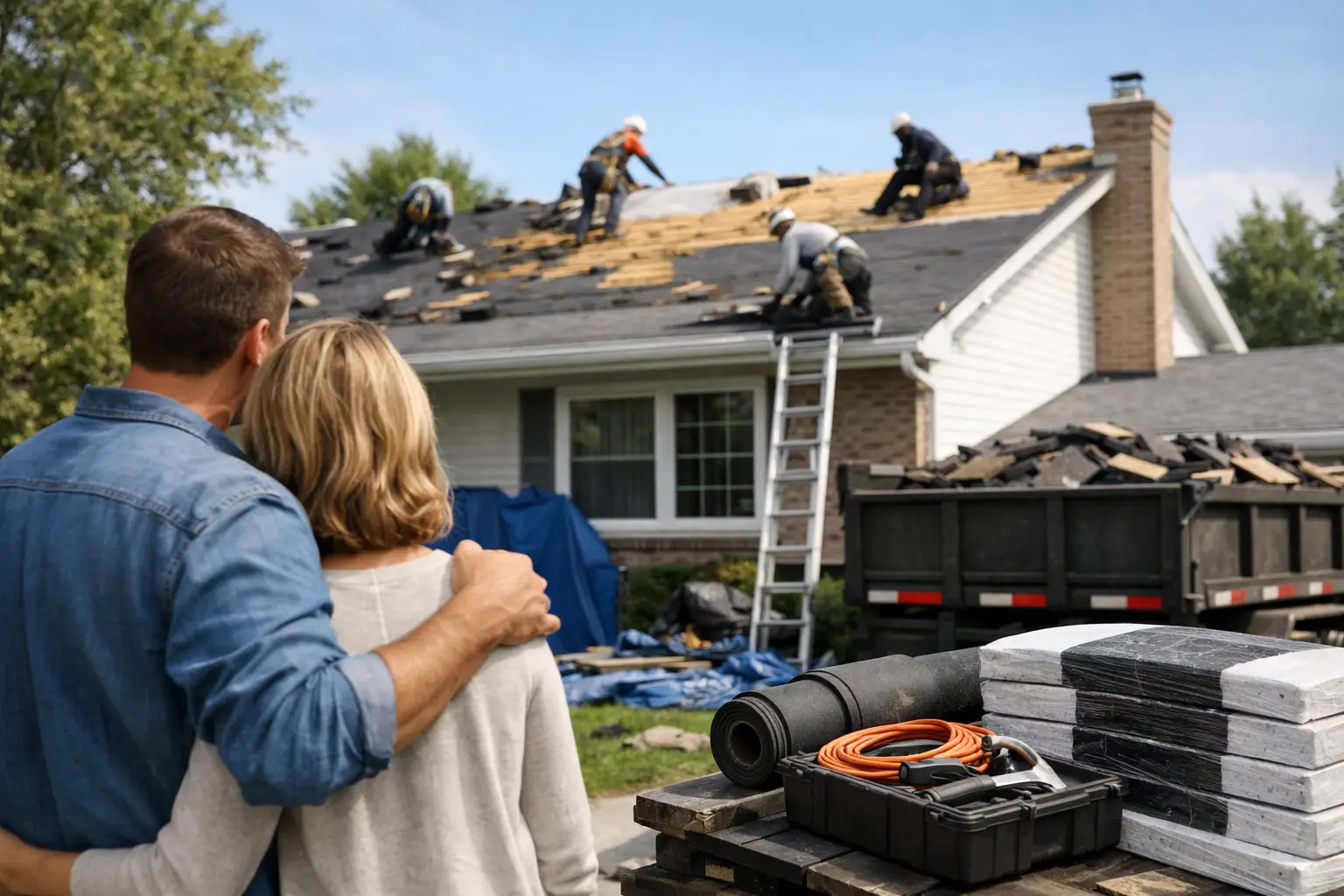
A well-run project should feel organized before materials arrive. You should receive a written scope, know the expected schedule, understand what the crew will protect, and have a point of contact for questions. On installation day, the crew should protect the work area, remove old materials, inspect the deck, install the specified system, and clean the site thoroughly.
Most standard residential roof replacements can be completed in a day, though weather, roof size, deck repairs, and complexity may extend the timeline. No contractor can control rain or high winds, but a professional team should communicate promptly if the schedule changes and should never leave the home exposed without a plan.
Guthix Roofing is built around this kind of clarity: satellite-measured pricing, documented scope, licensed and insured local installation, and written warranty protection. Homeowners should be able to understand their roof price without sitting through a high-pressure presentation or worrying about hidden costs.
A replacement roof is a significant purchase, but it does not need to be a confusing one. Get a measured price, read the line items, and choose the contractor who can clearly explain how the system will protect your home through the next Detroit winter.