A roof replacement is disruptive enough without wondering whether your home will be exposed for days. So, how long does a roof replacement take? For most single-family homes, the active installation takes one day. Larger, steeper, more complex roofs may take two to three days, while weather or hidden deck repairs can extend the schedule.
The good news is that a professional crew plans for this. Your home is not simply left open overnight because a project took longer than expected. Crews install weather protection as they work, monitor the forecast, and make sure the roof is secured before they leave. A clear scope and an honest pre-installation inspection are the best ways to avoid timeline surprises.
How Long Does a Roof Replacement Take From Start to Finish?
There are two timelines to consider: the time between approving your project and installation day, and the time the crew is physically working at your home.
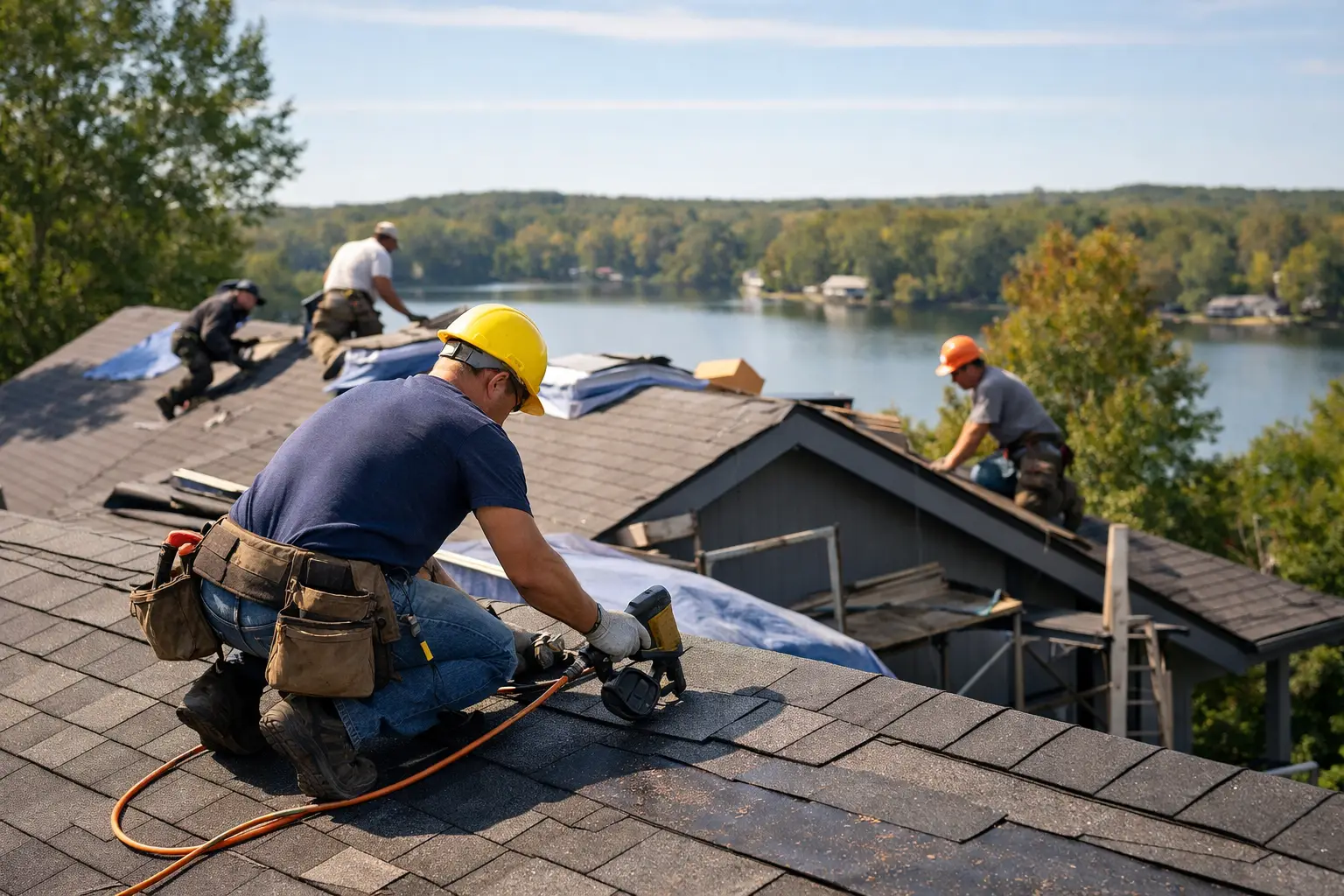
The installation itself is usually quick. A straightforward architectural asphalt shingle replacement on an average metro Detroit home can often be completed in a single day. Crews arrive in the morning, protect landscaping and work areas, remove the old roofing, inspect the roof deck, install the new system, clean up, and perform a final walkthrough.
The full process can take longer because materials must be ordered, permits may be required, and the installation needs a safe weather window. During Michigan's busy roofing season, scheduling may be several weeks out. That does not mean your roof will take several weeks to install. It means the project is being scheduled around crew availability, local requirements, and conditions that support a quality installation.
A transparent contractor should explain both timelines before you commit. You should know what is included in the work, what could change the schedule, and how you will be notified if weather requires a move.
What Happens During a One-Day Roof Replacement?
A one-day replacement is not rushed work. It is the result of an experienced, properly sized crew following an organized process.
Before installation, the contractor confirms material selections, delivery timing, access to the driveway, and any special site conditions. On installation day, crews typically begin by protecting vulnerable areas around the house. That can include moving or covering patio furniture, placing tarps where appropriate, and setting up a controlled area for debris removal.
Next comes tear-off. The old shingles and underlayment are removed so the crew can inspect the roof deck. This step matters because shingles are only as dependable as the surface beneath them. If the decking is sound, the team moves directly into installing the new underlayment, ice and water protection in required areas, flashing, ventilation components, and shingles.
With a premium architectural shingle system such as Owens Corning Duration® shingles, correct installation details matter just as much as the shingle color. Proper starter shingles, ridge components, flashing, and ventilation help the entire roof perform as a system against wind, rain, snow, and freeze-thaw cycles.
The day ends with cleanup and a final check of the work area. Roofing is messy by nature, but it should not leave your property looking like a construction site. Ask how a contractor handles debris, nails, and landscaping protection before the project begins.
The Factors That Can Extend Your Roof Timeline
No responsible roofer should promise every home will be finished in one day without seeing the roof. The following conditions can legitimately add time.
Roof size, pitch, and design
A small, simple ranch roof is faster to replace than a large two-story home with multiple slopes, dormers, valleys, skylights, or a very steep pitch. Complex rooflines require more cutting, flashing, staging, and safety measures. Those details take longer because they deserve careful attention.
Decking repairs
Once old roofing is removed, the crew may find soft, rotted, or damaged wood decking. It must be replaced before new roofing goes on. Skipping that repair to stay on schedule would create a bigger problem later, including poor shingle fastening, leaks, or uneven roof surfaces.
This is why itemized estimates and documented change procedures are valuable. You should understand the cost per sheet or per area of decking replacement before installation day, rather than being pressured into an undefined extra charge after tear-off.
Weather conditions
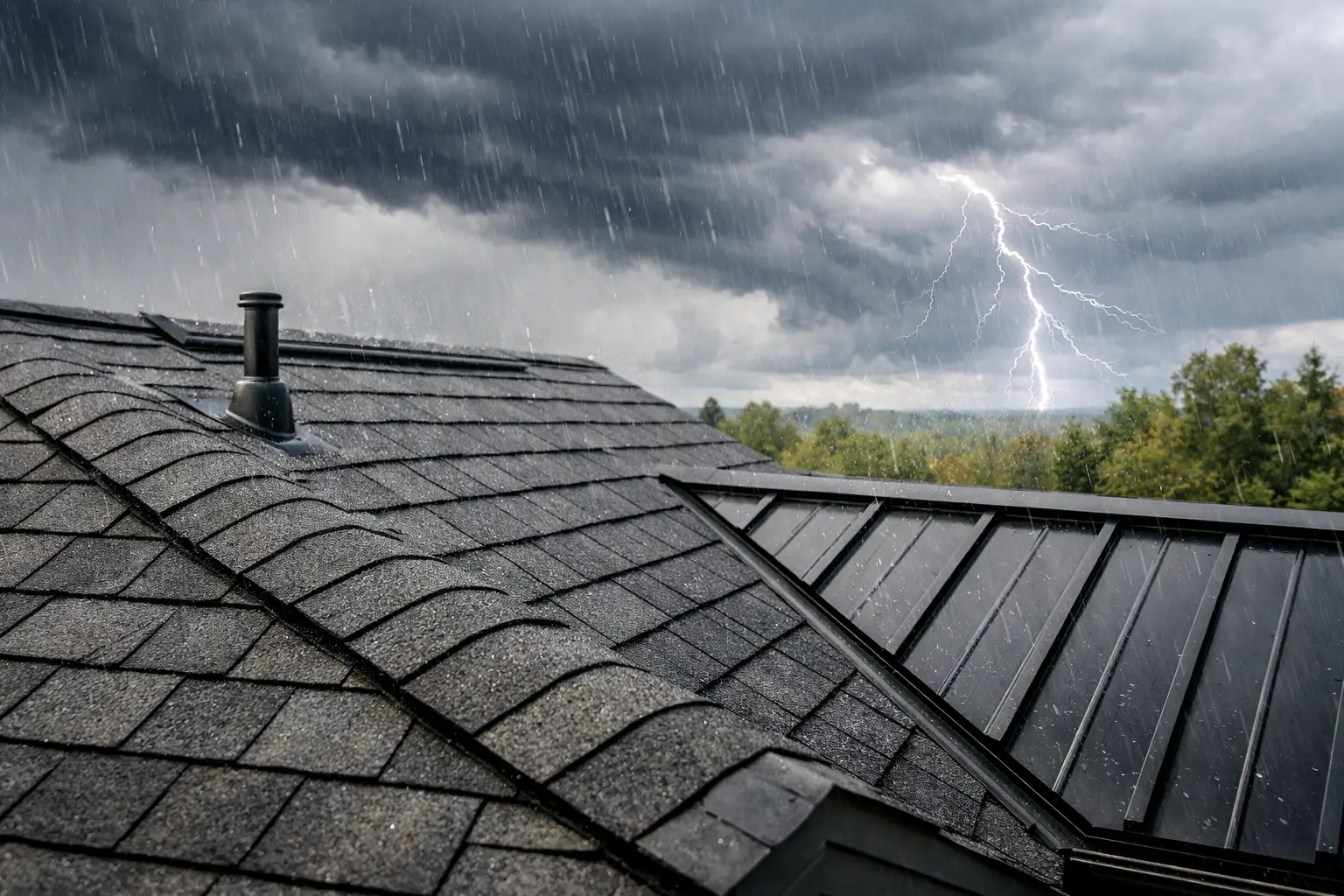
Rain, lightning, high winds, and unsafe temperatures can postpone work. In southeast Michigan, weather is often the biggest reason a start date changes. A good contractor watches the forecast closely and does not begin a tear-off when conditions make it difficult to protect the home or install materials correctly.
A weather delay can be frustrating, especially when you have arranged time off work. Still, it is better than installing a roof in conditions that compromise safety or workmanship. Clear communication matters here: you should receive an update as soon as a schedule change is necessary, along with the next available plan.
Multiple layers or specialty materials
A roof with two existing layers of shingles takes longer to remove and creates more debris. Chimneys, skylights, low-slope transitions, solar equipment, and unusual flashing details also add labor. If your home has these features, a detailed inspection is the only honest way to estimate the timeline.
Can You Stay Home While Your Roof Is Being Replaced?
Yes, most homeowners can stay home during the work. Just expect substantial noise. Tear-off, nail guns, material movement, and workers on the roof can make normal phone calls, remote work, and naps difficult for much of the day.
If you work from home or have young children, pets, or noise-sensitive family members, it may be easier to arrange an alternate plan for installation day. Pets should be kept indoors and away from exterior doors, or boarded for the day if roofing noise causes them significant stress. Vehicles should be moved out of the garage and away from the driveway before the crew arrives, unless your contractor gives different instructions.
Inside the house, remove fragile items from walls or shelves if they could shift from vibration. This is especially helpful in older homes. Your contractor should provide a simple pre-installation checklist so you are not trying to guess what needs to be done the night before.
How to Help Keep the Project on Schedule
Homeowners do not need to manage the crew, but a few practical steps can prevent avoidable delays. Make sure the driveway and access points are clear, unlock gates if needed, and tell the project contact about any irrigation lines, delicate landscaping, or access limitations. If you have an attic, provide access if the contractor needs to verify ventilation or inspect an active concern.
The most useful step happens before scheduling: review the estimate. Confirm that it identifies the roofing system, tear-off scope, flashing work, ventilation, cleanup, permits when applicable, and warranty details. Vague estimates often lead to vague expectations. A written, itemized scope gives you a more reliable schedule and fewer surprises once work begins.
If you are replacing gutters at the same time, ask whether that work will happen on roofing day or as a separate visit. Seamless aluminum gutters are formed on-site for a custom fit, and their scheduling may be coordinated with the roof installation to protect the new system and keep the project organized.
When a Longer Timeline Is Worth It
A two-day roof replacement is not automatically a problem. In some cases, it is the right outcome. Extra time may be needed to complete decking repairs, address complicated flashing, wait for a safe weather window, or handle a large roof correctly.
What matters is whether the contractor communicates clearly and protects the home throughout the process. Licensed and insured crews, code-compliant installation, documented scope changes, and written warranty coverage give you a better measure of quality than a fast promise alone.
For most homeowners, a new roof is a one-day project with long-term consequences. Choose a contractor that can explain the schedule in plain language, price the work clearly, and treat a weather delay or needed repair as something to manage openly - not hide from you. That is how a major home project stays controlled from the first estimate to the final cleanup.
Need this done on your Downriver home?
Guthix Roofing is based in Wyandotte and serves Downriver and Wayne County. See roof replacement from a licensed local roofer, or get an instant satellite-measured price — no name or phone needed to see the number.