A ceiling stain after a hard Michigan rain can make one question feel urgent: should you patch the problem or plan for a new roof? Roof repair vs replacement is not simply a choice between a smaller bill and a larger one. It is a decision about the condition of the full roof system, the likelihood of repeat problems, and how well the work will protect your home through the next freeze-thaw cycle, windstorm, and heavy downpour.
A well-targeted repair can be the right answer. So can a full replacement. The key is getting a clear inspection and an itemized scope before anyone recommends work. You should know what failed, why it failed, what the proposed work addresses, and what it does not.
Roof Repair vs Replacement: Start With the Cause
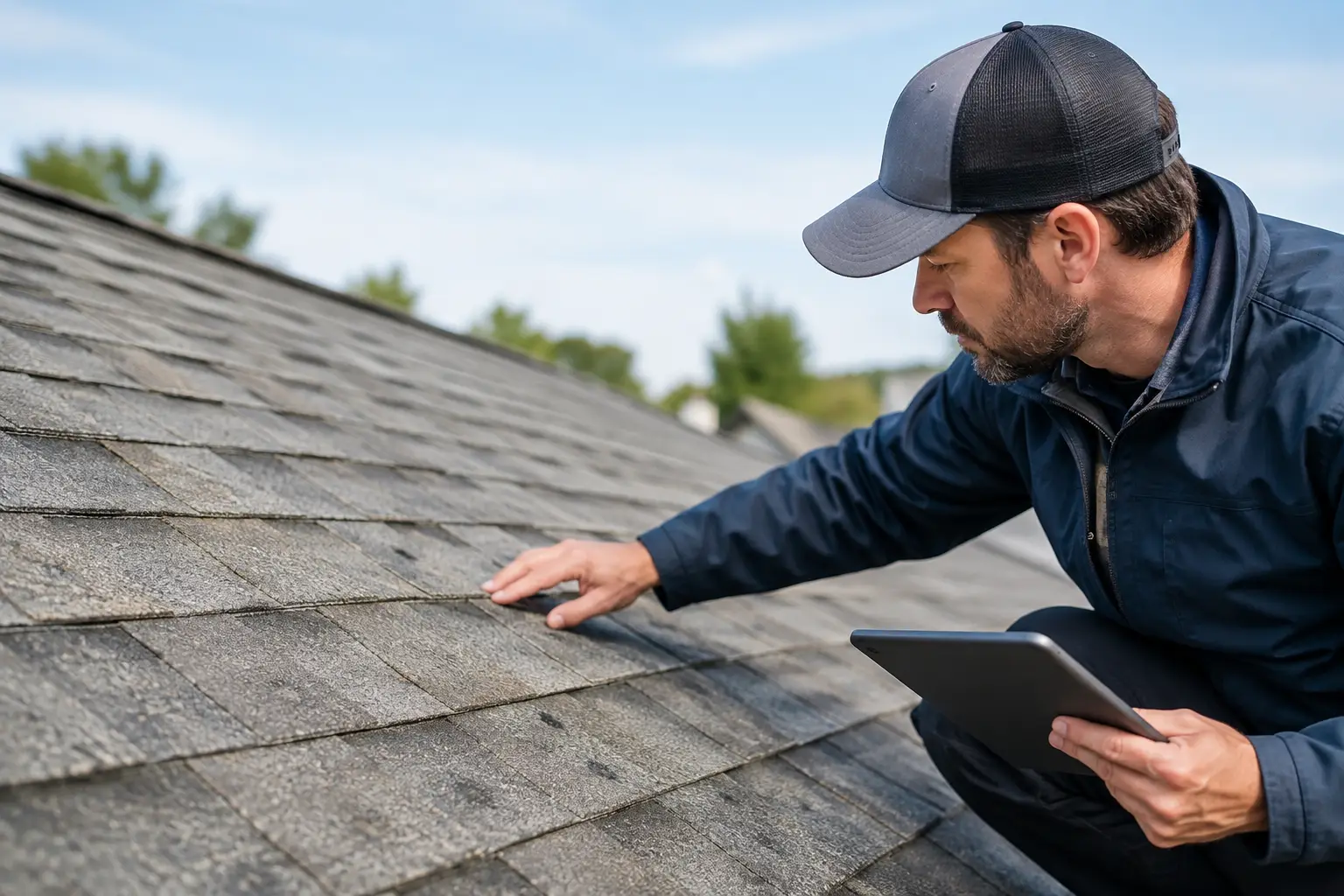
The visible problem is not always the actual problem. A missing shingle may be a simple wind-related repair, but it can also point to brittle, aging shingles across an entire roof. A leak near a chimney may come from damaged flashing, deteriorated sealant, poor installation, or water traveling from another area before it appears inside.
That is why a contractor should inspect more than the spot where water showed up. They should review shingle condition, flashing around chimneys and vents, valleys, pipe boots, roof-to-wall transitions, attic ventilation, and signs of soft or damaged roof decking. The goal is not to turn every repair into a replacement sale. It is to avoid paying for a patch that leaves the real source of water intrusion in place.
A documented inspection gives you a practical basis for the decision. Photos and clear line items are especially helpful when comparing proposals. Vague language such as “repair as needed” can leave too much uncertainty about materials, labor, and whether the contractor is addressing adjacent damage.
When Roof Repair Makes Sense
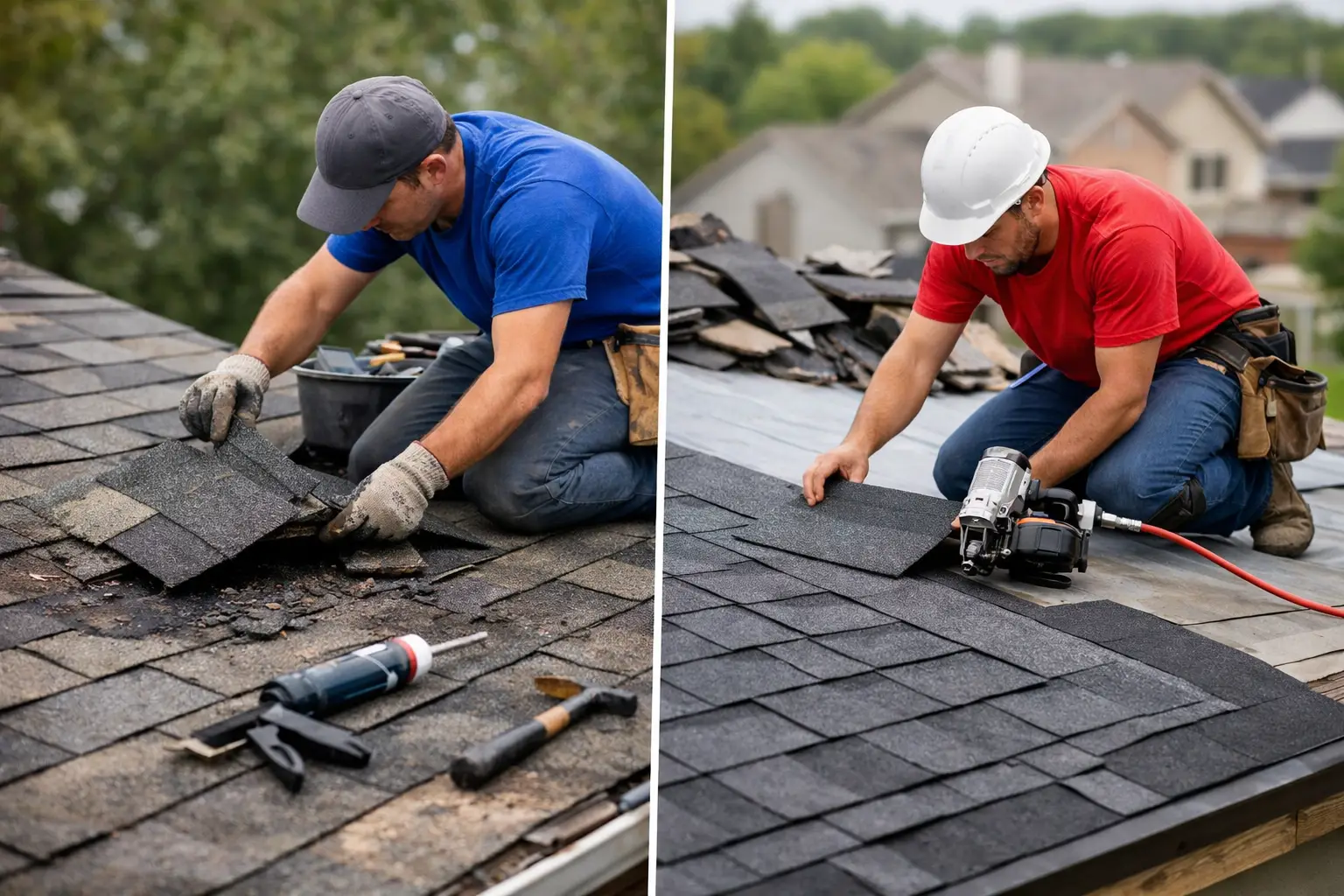
Repair is often the sensible option when damage is isolated and the rest of the roof still has meaningful service life. For example, replacing a small number of shingles lost in high winds, repairing flashing around a vent, or replacing a failed pipe boot may stop a leak without disturbing a roof that is otherwise in good condition.
A repair is generally more likely to be a good investment when the roof is relatively newer, the shingles are still flexible and securely adhered, and there are no widespread signs of granule loss, cracking, curling, or exposed nail heads. It also helps when matching shingles are available. A close color match matters less on a rear slope than it does on a highly visible front roofline, but homeowners should still know what to expect before approving the work.
Repairs can also buy time when a homeowner is planning a larger project in the near future. If the roof is nearing the end of its life but has one localized leak, a professionally completed repair may keep the home protected while you prepare for replacement. That is different from treating a temporary patch as a long-term solution.
The limitation is straightforward: a repair fixes the area included in the scope. It does not reset the age of the surrounding shingles, renew old underlayment, or correct worn components elsewhere on the roof. If separate areas begin failing each season, the lower upfront repair cost can become the more expensive path over time.
Signs Replacement Is the Better Value
Replacement becomes more reasonable when the problem is systemic rather than isolated. Age is part of the picture, but condition matters just as much. Some roofs wear faster because of poor ventilation, storm exposure, installation issues, or low-quality materials.
Consider a full replacement when you are seeing repeated leaks, widespread shingle damage, extensive granule loss, curling or cracking across multiple slopes, or several prior repairs that have not held. Soft spots in the roof deck, deteriorated flashing in multiple locations, and shingles that cannot be reliably matched are also important factors.
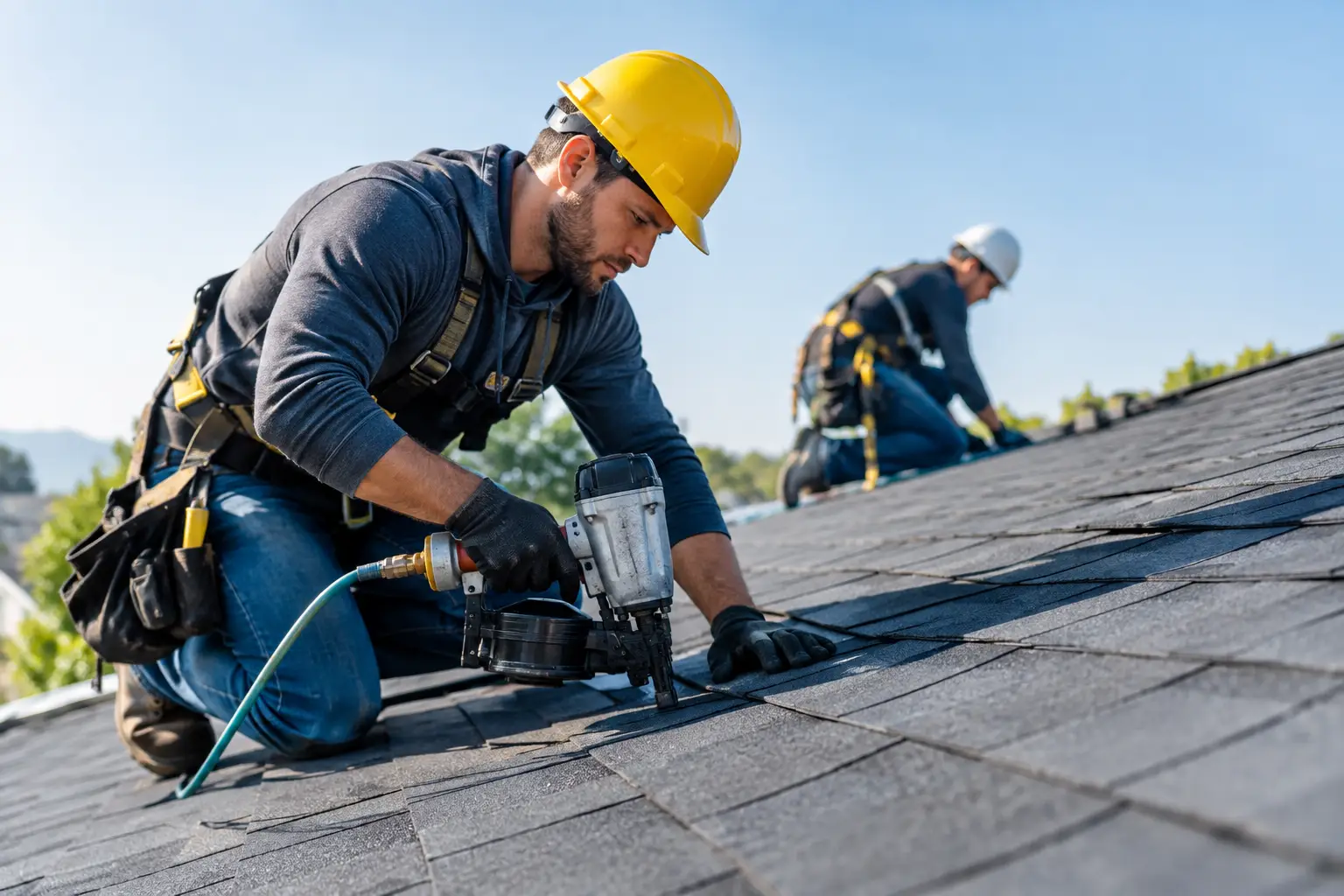
A roof replacement is not only about new shingles. A properly scoped project can address the roof as a system: tear-off of old materials, inspection and replacement of damaged decking where needed, underlayment, ice and water protection in vulnerable areas, flashing, ventilation components, and new shingles installed to manufacturer specifications and local code requirements.
That full-system approach is particularly valuable in southeast Michigan. Snow, ice dams, wind, and repeated temperature swings put pressure on weak points around eaves, valleys, penetrations, and flashing. If the roof is broadly worn, replacing only the latest failed section may postpone the decision without reducing the underlying risk.
Compare the Real Cost, Not Just Today’s Invoice
It is natural to compare the price of a repair with the price of a replacement. But the better comparison includes the roof’s remaining life, likely future repairs, risk of interior water damage, warranty coverage, and how the home will be protected if another storm hits.
A repair may cost less now and still be the correct decision. If the roof has many good years left and the issue is clearly isolated, there is no benefit in replacing a functioning system early. On the other hand, a roof with repeated leaks can create costs beyond the roof itself. Water can damage insulation, drywall, paint, framing, and personal belongings. It can also create conditions for mold if moisture is not addressed quickly.
Replacement can also make financial sense when you are preparing to sell or refinance, although it should not be done solely for appearance. Buyers and inspectors pay attention to roof age, visible wear, and evidence of past leaks. A new roof with documented materials, workmanship, and written warranty coverage gives the next owner more confidence than a roof with an unclear repair history.
Ask for a proposal that separates known work from possible concealed conditions. For example, damaged decking may not be visible until old roofing materials are removed. A transparent estimate should explain how that possibility is handled, rather than burying it in an unclear allowance. No hidden costs does not mean pretending unforeseen conditions never exist. It means explaining the process and pricing structure before work begins.
Questions to Ask Before You Decide
Before approving either option, ask the contractor to explain whether the damage is isolated or widespread, how much useful life the existing roof likely has, and what evidence supports that opinion. Ask what materials will be used, how flashing and ventilation will be handled, and whether the work comes with written warranty protection.
For a repair, ask whether the contractor can match the existing shingles and whether the repair could affect an existing manufacturer warranty. For replacement, ask for the complete scope, including tear-off, underlayment, ice and water protection, flashing, cleanup, and debris removal. You should also confirm that the crew is licensed and insured and that the project will meet applicable local requirements.
The quality of the answer matters. A trustworthy contractor should be comfortable showing you what they found, discussing trade-offs, and giving you time to review the scope. High-pressure tactics are not a substitute for evidence.
Choosing a Replacement System That Fits Michigan Weather
If replacement is the right path, the shingle choice should be based on more than color. Architectural asphalt shingles offer a durable, dimensional look for many metro Detroit homes, but the complete installation details matter just as much. Proper starter shingles, ridge components, ventilation, flashing, and ice protection help the roof perform as a system.
Premium architectural options such as Owens Corning Duration® shingles can be a strong fit for homeowners who want dependable wind performance and a finished appearance that supports curb appeal. Still, no shingle brand can compensate for poor installation or neglected decking. The contractor’s scope, workmanship standards, and warranty should carry equal weight in your decision.
Guthix Roofing focuses on clear, satellite-measured pricing and itemized estimates so homeowners can understand the replacement scope before committing. Whether you need a repair assessment or are ready to replace an aging roof, clarity early in the process helps prevent expensive surprises later.
If you are unsure which path fits your roof, do not wait for a small stain to become a larger interior repair. Schedule an inspection, review the evidence, and choose the option that gives your home reliable protection rather than the shortest possible delay.
Need this done on your Downriver home?
Guthix Roofing is based in Wyandotte and serves Downriver and Wayne County. See roof leak repair from a licensed local roofer, or get an instant satellite-measured price — no name or phone needed to see the number.