A gutter can look fine from the driveway while quietly sending water behind your siding or toward your foundation. The most useful signs gutters need replacement usually appear during or immediately after a hard rain. Catching them early can prevent a gutter project from turning into roof-deck, fascia, basement, or landscaping repairs.
For metro Detroit homeowners, gutters do more than manage rain. They also need to handle spring downpours, wet leaves, snowmelt, ice, and repeated freeze-thaw cycles. A few problems can be repaired. When damage is widespread or the system no longer drains reliably, replacement is the more dependable choice.
1. Gutters Are Pulling Away From the Roofline
Gutters should sit securely against the fascia board, with a consistent slope toward the downspouts. If you see gaps, sagging sections, or gutters that appear to dip in the middle, the system may be carrying more weight than its hangers and fasteners can support.
Clogs and standing water often start the problem, but loose gutters can also point to aging hardware, failing fascia, or a system that was not installed with enough support. Reattaching one loose section may make sense when the gutter itself is in good shape. If multiple sections are sagging, seams are failing, or the fascia has begun to rot, a replacement evaluation is the safer next step.
2. Water Spills Over the Sides During Rain
Overflow is one of the clearest signs that something is wrong, but it does not automatically mean you need new gutters. Leaves, granules, and debris can block the channel or downspout. A thorough cleaning may restore normal flow.
If the gutters are clean and water still spills over, look closer. The channel may be undersized for the roof area, improperly pitched, dented, or installed without enough downspout capacity. Water that regularly cascades over the front edge can stain siding, erode beds, and saturate soil near the foundation. Replacement may be the right answer when the system was poorly sized from the beginning.
3. You See Cracks, Holes, or Split Seams
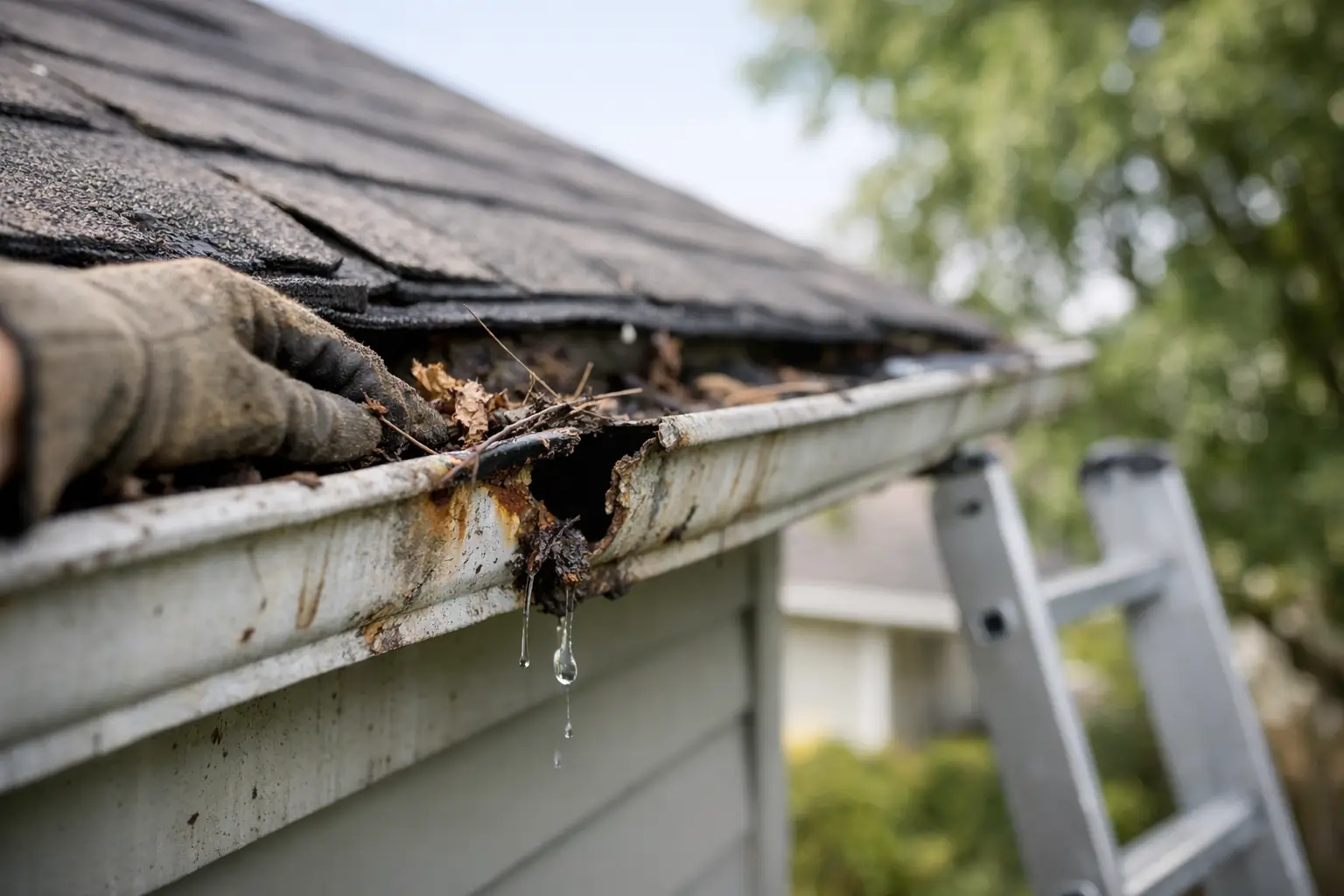
Small cracks can become large leaks after a Michigan winter. Water enters the opening, freezes, expands, and gradually widens the damage. Holes caused by corrosion or impact damage have the same effect: instead of directing water safely away, the gutter releases it exactly where it should not be.
A single small puncture can sometimes be sealed. The decision changes when cracks appear in several places or when seams repeatedly split after repair. Seamless aluminum gutters are formed on-site to the length of each roof edge, reducing the number of joints where water can escape. They still require proper installation and maintenance, but they eliminate many of the seam-related failure points found in sectional systems.
4. Rust, Corrosion, or Peeling Finish Is Spreading
Peeling paint and orange-brown staining are not always cosmetic issues. They can indicate that the protective finish has failed and the metal underneath is deteriorating. Once corrosion progresses, patching often becomes a short-term fix rather than a durable repair.
Inspect the bottom of the gutter, around fasteners, and at seams. These areas hold moisture longest and often reveal damage first. Aluminum does not rust like steel, but it can corrode under certain conditions, especially where dissimilar metals meet or standing water persists. An inspection can determine whether a localized issue is repairable or whether the material is nearing the end of its service life.
5. There Are Water Stains on Siding or Fascia
Dark streaks beneath a gutter, peeling trim paint, and staining near the roof edge deserve attention. They may mean water is running behind the gutter instead of into it, leaking through a seam, or overflowing during rain.
Fascia damage matters because fascia boards help support the gutter system. Once wood stays wet, it can soften and rot, making it harder to securely fasten a new or repaired gutter. A qualified contractor should inspect both the gutter and the wood behind it so the visible symptom is not treated while the underlying problem remains.
6. Downspouts Do Not Carry Water Away From the House
A gutter system is only as effective as its drainage path. If downspouts are crushed, disconnected, clogged, or empty water too close to the foundation, the roof runoff still has nowhere useful to go.
Watch where water lands during a steady rain. It should flow through the downspout and discharge away from the home, not pool beside the basement wall or wash out a walkway. Sometimes the solution is a downspout repair or extension. Other times, the gutters lack adequate outlets or were configured poorly for the roofline. Replacement gives you the opportunity to correct the full system instead of replacing only the visible sections.
7. Puddles Form Near the Foundation
Standing water near the home is one of the most expensive warning signs to ignore. It can contribute to basement moisture, shifting soil, cracked walks, and damage to landscaping. Not every puddle is a gutter issue - grading, drainage tiles, and nearby hardscapes can also be involved - but gutter performance should be checked first.
Look for patterns after rain. A puddle directly below a leaking seam or overflowing corner is a strong clue. Water collecting at several discharge points may mean downspouts need to be repositioned, extended, or increased in number. The goal is simple: move roof runoff away from the house in a controlled direction.
8. The Gutters Have Visible Dents, Bends, or Warping
Ladders, falling branches, ice, and windblown debris can bend a gutter enough to disrupt its slope. Even a shallow dent may create a low spot where water and debris collect. Over time, that standing water adds weight, stresses hangers, and encourages corrosion.
Minor dents in an otherwise sound system may be cosmetic. Warping that affects drainage is different. If water remains in the gutter long after rain stops, or if several sections no longer follow a clean line along the roof edge, replacement is often more reliable than trying to reshape aged material.
9. You Keep Paying for the Same Repairs
One repair is maintenance. Repeated repairs for leaks, loose spikes, separated seams, or poor drainage are a signal to step back and assess the whole system. The lowest immediate repair cost is not always the lowest overall cost if the same issue returns every season.
Ask for an itemized scope that identifies what is being repaired, why it failed, and whether related components are at risk. A transparent estimate should make the trade-off clear: repair the isolated problem now, or replace a worn system with properly sized gutters, new hangers, downspouts, and a written warranty.
10. The Gutters Are Old and the Problems Are Adding Up
Age alone does not determine whether gutters need replacement. Well-installed aluminum gutters can serve a home for many years. But age matters when it appears alongside leaks, sagging, recurring clogs, peeling finish, or deteriorated fascia.
Consider the whole picture rather than one symptom. A newer system with one blocked downspout may need cleaning and a minor repair. An older sectional system with multiple leaking joints, loose hangers, and water staining is usually a better candidate for replacement. A professional inspection can separate a manageable fix from a system that is no longer protecting the house.
What a Proper Gutter Replacement Should Address
Replacement should not mean simply hanging new metal in the same locations. The installer should assess roof runoff, gutter size, slope, hanger spacing, downspout placement, fascia condition, and the path water takes once it leaves the system. These details are what determine whether new gutters actually solve the water problem.
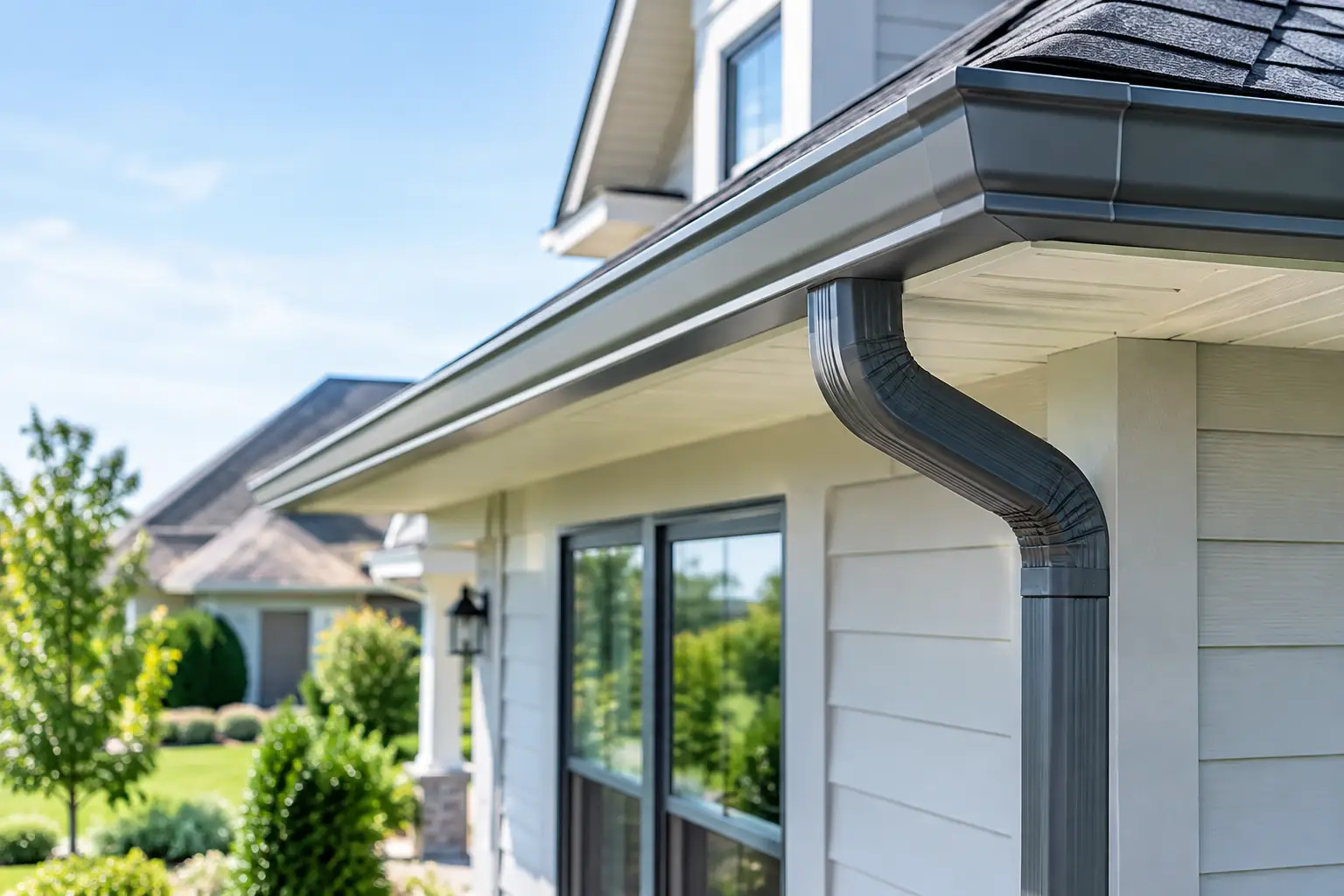
For many homes, seamless aluminum gutters are a practical choice because they are custom-formed on-site for a precise fit. Color options can help the system blend with trim or siding, but performance comes first. Proper pitch, secure fastening, clean outlet placement, and drainage away from the foundation matter more than a gutter that merely looks new from the street.
Before approving work, homeowners should expect a clear written estimate that explains the materials, linear footage, downspouts, removal of old gutters, and any fascia repairs. Licensed and insured installation, cleanup expectations, and warranty terms should also be documented. Those details reduce surprises and make it easier to compare options fairly.
If you notice water where it does not belong after the next rainfall, take a few photos from the ground and schedule an inspection before the damage spreads. Guthix Roofing provides clear, itemized gutter replacement scopes for southeast Michigan homeowners, with no hidden costs and a process built around straightforward next steps.
Need this done on your Downriver home?
Guthix Roofing is based in Wyandotte and serves Downriver and Wayne County. See seamless gutter replacement from a licensed local roofer, or get an instant satellite-measured price — no name or phone needed to see the number.