A water stain spreading across a bedroom ceiling in January is not a problem most homeowners can put off until spring. But replacing a roof in winter is different from replacing one in mild weather. Winter roof replacement planning gives you time to separate an urgent repair from a full replacement, understand weather limitations, and get a documented scope before a small leak becomes interior damage.
For metro Detroit homeowners, the right answer is rarely a simple yes or no. Some roofs can be replaced safely during winter conditions. Others should be stabilized, monitored, and scheduled for the first suitable weather window. What matters is the roof’s condition, the forecast, the material requirements, and whether your contractor is willing to explain the plan clearly.
When a Winter Roof Replacement Makes Sense
A roof does not stop leaking because the calendar says it is winter. Missing shingles, wind damage, active leaks, exposed decking, or a failed flashing detail may require prompt action to protect the home. Waiting through repeated freeze-thaw cycles can allow water to reach insulation, ceilings, wall cavities, and wood framing.
A full replacement may make sense when the roof has broad wear rather than one isolated issue. Signs include widespread shingle granule loss, curling shingles across multiple slopes, recurring leaks, soft areas in the roof deck, or a roof that is near the end of its expected service life. If repairs are becoming repetitive, putting money toward another short-term patch may not be the best value.
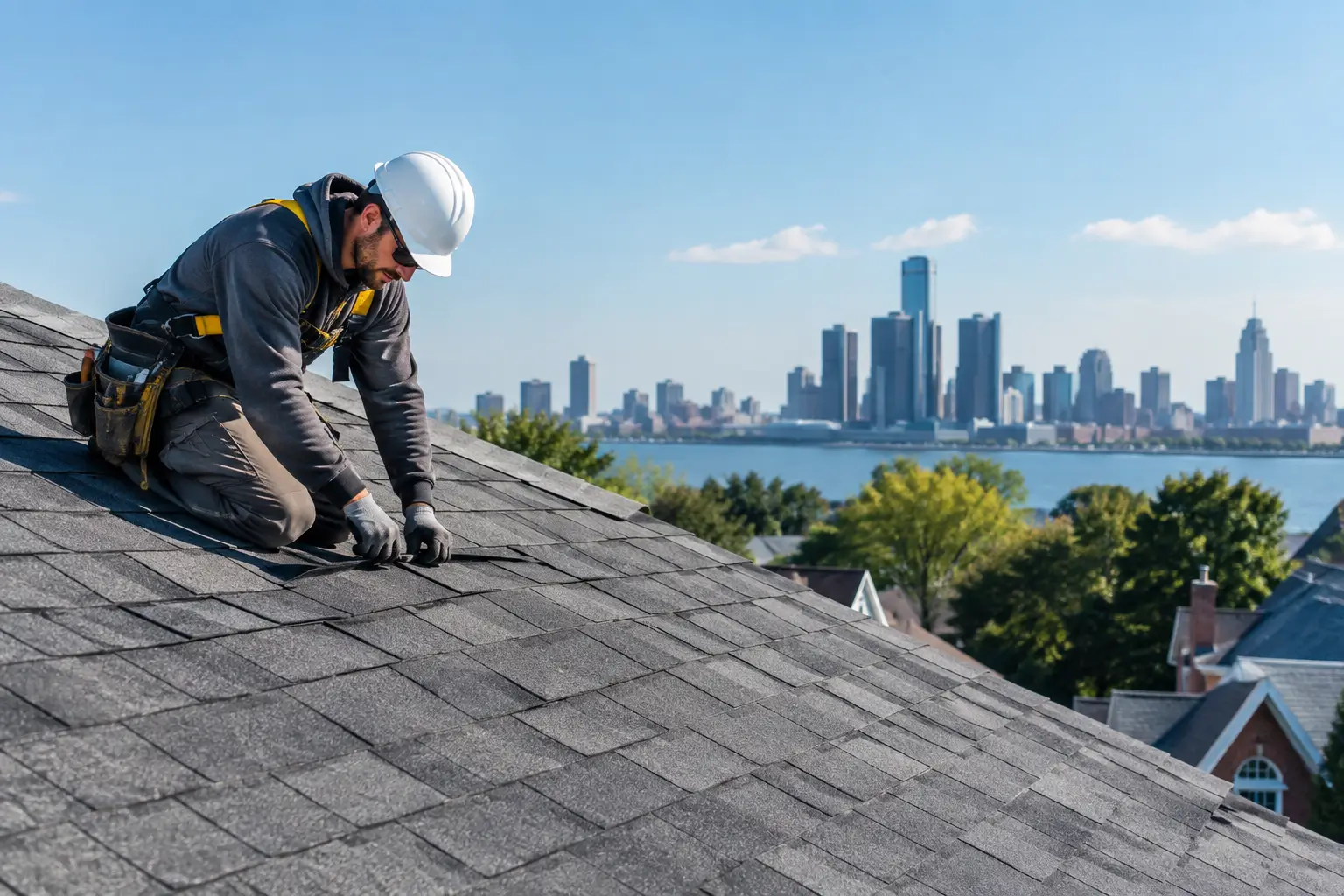
That said, winter installation is not appropriate every day. Heavy snow, icy roof surfaces, high winds, or temperatures outside a manufacturer’s installation guidance can delay work. A responsible contractor does not force a project through unsafe conditions simply to keep a schedule. The goal is to protect your home without compromising worker safety, material performance, or workmanship.
Winter Roof Replacement Planning Starts With the Right Inspection
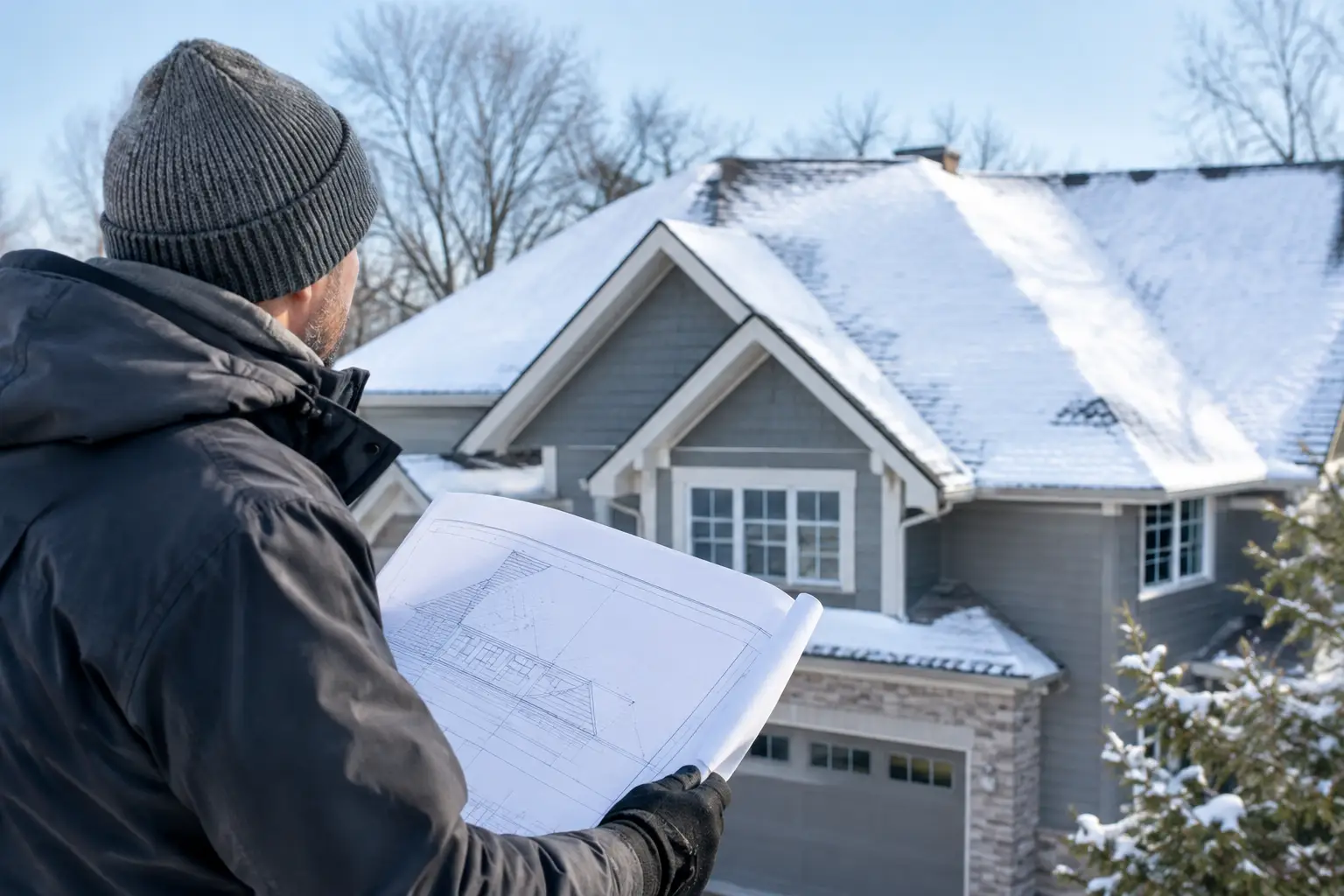
Before deciding on replacement, get a clear assessment of what is actually happening. A professional inspection should look beyond the visible shingles. The condition of flashing, valleys, vents, pipe boots, chimney transitions, gutters, and roof decking all affect whether water is getting in and what the correct solution requires.
Ask for the findings in plain language. You should understand whether the issue is localized, whether a repair can reasonably hold through winter, and whether a replacement is recommended because of confirmed roof failure rather than a sales quota. Photos and a written scope make this easier to evaluate.
For a replacement, the estimate should identify the main components of the roof system. That includes tear-off and disposal, decking replacement if needed, underlayment, ice and water protection where required, flashing work, ventilation, shingles, ridge caps, cleanup, and warranty coverage. An estimate that only lists a single total can make it difficult to compare proposals or spot exclusions later.
Know What Weather Can Change
Winter does not automatically rule out asphalt shingle installation, but it requires closer attention to conditions. Shingles can become more brittle in cold temperatures, making careful handling especially important. Sealant strips may also take longer to activate when temperatures stay low, which is one reason installers need to follow the product manufacturer’s requirements.
Snow and ice are separate concerns. Roof surfaces must be safe enough for crews to work, and the installation area must be properly prepared. If a storm is approaching, a good plan may be to secure the roof temporarily, protect exposed areas, and return when conditions allow for quality installation.
Homeowners should also expect more schedule flexibility in winter. A crew may need to move a project by a day or two because of wind, precipitation, or a sudden temperature drop. That is not necessarily poor communication. The difference is whether the contractor tells you what is happening, why the schedule changed, and what protections are in place while you wait.
Choose Materials Built for Michigan Conditions
Michigan roofs deal with snow loads, wind, ice dams, spring rain, and hot summer sun. The shingle color may be the visible decision, but the roof system underneath matters just as much. Quality underlayment, properly installed ice and water protection, adequate ventilation, and correctly integrated flashing help manage the moisture challenges that lead to premature roof problems.
Architectural asphalt shingles are a practical choice for many local homes because they offer a more dimensional appearance and stronger durability than basic three-tab shingles. Premium options, including Owens Corning Duration® shingles, are designed for homeowners who want dependable weather performance without moving to a specialty roofing material.
Material selection should still match the house and budget. A larger roof with complex valleys, steep slopes, skylights, or multiple chimney connections will require more labor and more detailed flashing work than a simple ranch roof. Better shingles are valuable, but they cannot compensate for incomplete prep work or poor installation details.
Get Pricing That Lets You Compare Apples to Apples
Roof pricing can feel unclear because every home has different measurements, roof complexity, and underlying conditions. A satellite-measured estimate can give you a fast starting point without requiring an unnecessary sales visit. It should not be presented as a vague teaser price. It should explain the assumed scope and identify what could change after inspection, such as concealed deck damage.
When comparing estimates, look beyond the final number. A lower bid may leave out key work, use lower-grade components, assume fewer layers of tear-off, or exclude flashing and ventilation improvements. Those omissions can become change orders after the old roof is removed.
A transparent proposal answers practical questions before work begins: What materials are included? What happens if damaged decking is found? How will landscaping and siding be protected? Who handles permits if required? How is debris removed? What warranty is provided, and what does it cover?
No contractor can promise that a roof deck has no hidden damage until the old roofing is removed. They can, however, set a clear unit price or approval process for replacement decking so you are not surprised by an undefined charge. That is the kind of detail that makes a major project easier to control.
Prepare Your Home for the Installation Window
Once the project is scheduled, a little preparation helps the day run smoothly. Move vehicles away from the driveway and garage, remove fragile items from walls or shelves that could be affected by vibration, and make sure gates are unlocked. If you have children or pets, plan for the noise and crew activity.
Outside, protect or relocate patio furniture, grills, and delicate yard items near the house. Your crew should use tarps and magnetic tools for cleanup, but access around the home makes protection and debris collection more effective. Let the contractor know about sprinkler heads, pond equipment, unusual landscaping, or other site-specific concerns before the crew arrives.
Winter adds a few practical items. Keep walkways reasonably clear if conditions allow, identify outdoor electrical access, and communicate about any areas where snow piles or ice could affect crew movement. A clean worksite does not happen by accident. It comes from a defined process, active supervision, and a final cleanup plan.
Do Not Forget the Gutters
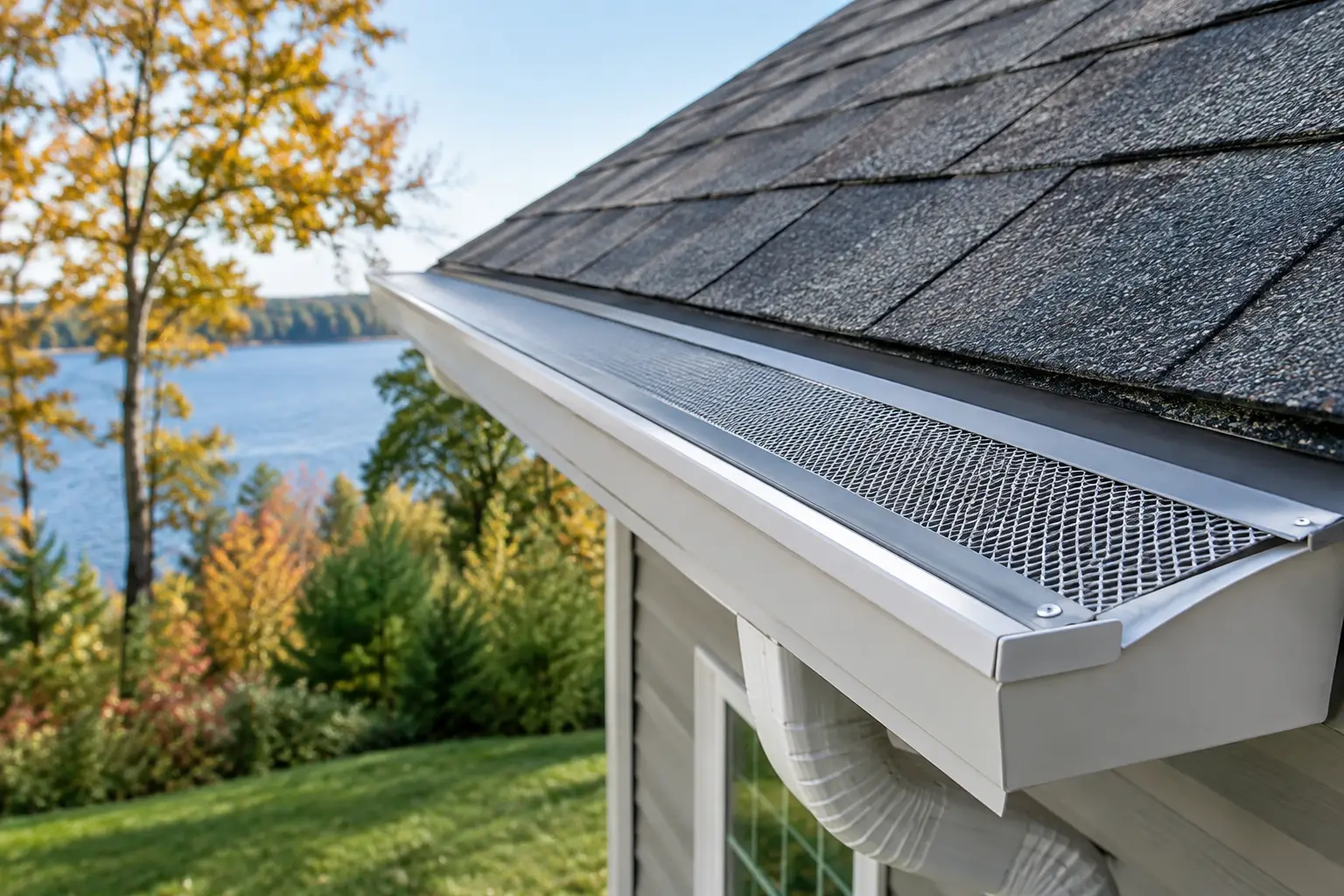
Roof replacement is often the right time to evaluate aging gutters. Water leaving a new roof still needs a controlled path away from the foundation. Sagging sections, leaking seams, undersized downspouts, and improper drainage can create problems that homeowners mistakenly blame on the roof.
Seamless aluminum gutters formed on-site are built to fit the home’s dimensions, reducing the number of joints where leaks commonly develop. They are not always required with a roof replacement, but replacing failing gutters at the same time can prevent another disruptive exterior project later.
Questions Worth Asking Before You Sign
Before approving a winter project, make sure you can get direct answers to these questions:
- What weather conditions would delay installation, and how will the roof be protected if work pauses?
- Is the estimate itemized, including tear-off, underlayment, flashing, ventilation, cleanup, and potential decking work?
- Are the crew and company licensed and insured for this work?
- What written workmanship and manufacturer warranty protections apply?
- Who is my point of contact if I have a question before, during, or after installation?
Clear answers are more valuable than a high-pressure promise of an immediate start date. A contractor should be able to explain the scope, the contingencies, and the next step without asking you to make a rushed decision.
A winter roof issue deserves prompt attention, but it does not require guesswork. Start with a thorough inspection, get pricing that shows the actual scope, and choose a contractor prepared to work within safe weather conditions. If replacement is the right move, a well-planned project can protect your home now and leave you ready for the next Michigan storm season with zero surprises.
Need this done on your Downriver home?
Guthix Roofing is based in Wyandotte and serves Downriver and Wayne County. See roof replacement from a licensed local roofer, or get an instant satellite-measured price in about a minute — just your name and mobile, no phone call.