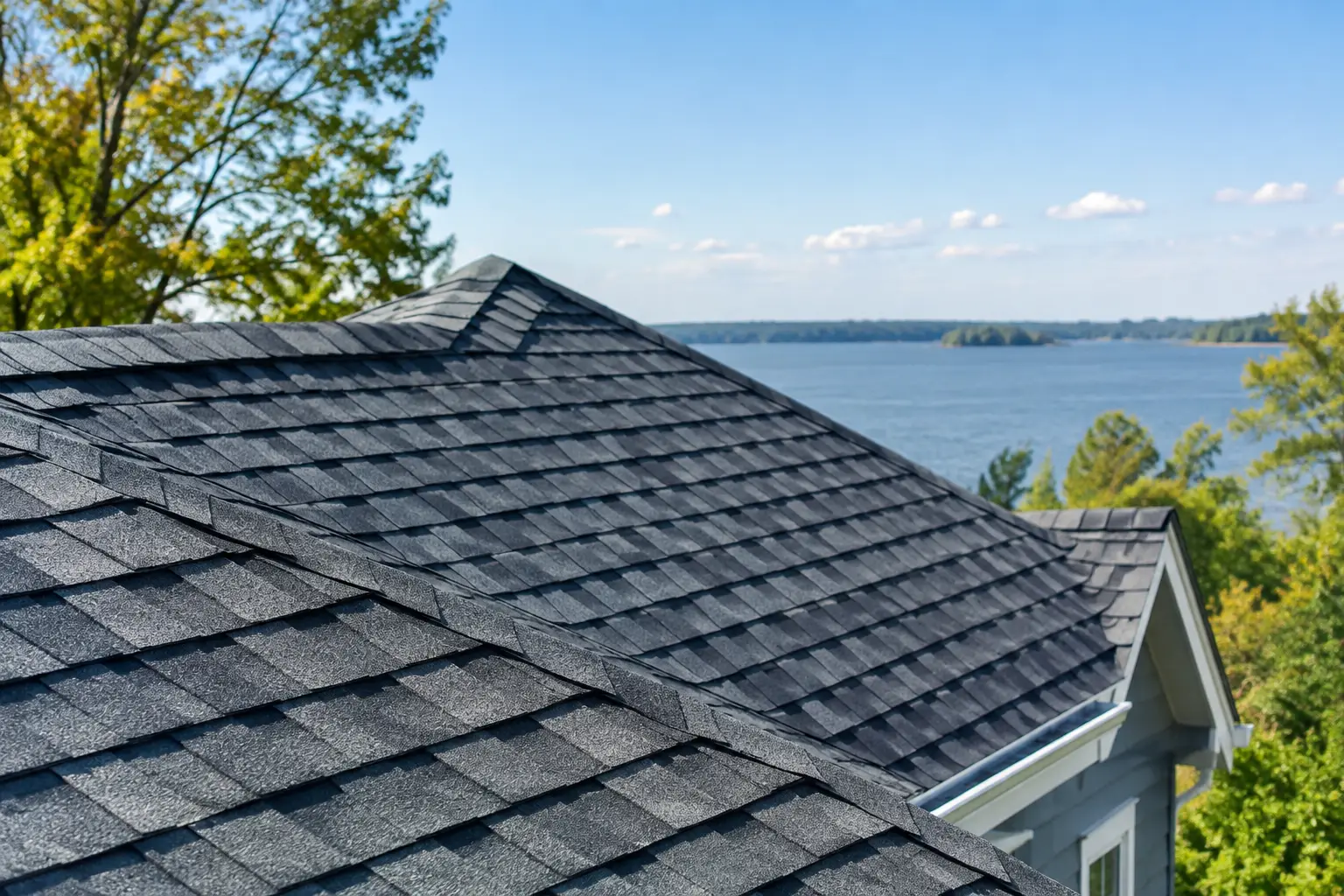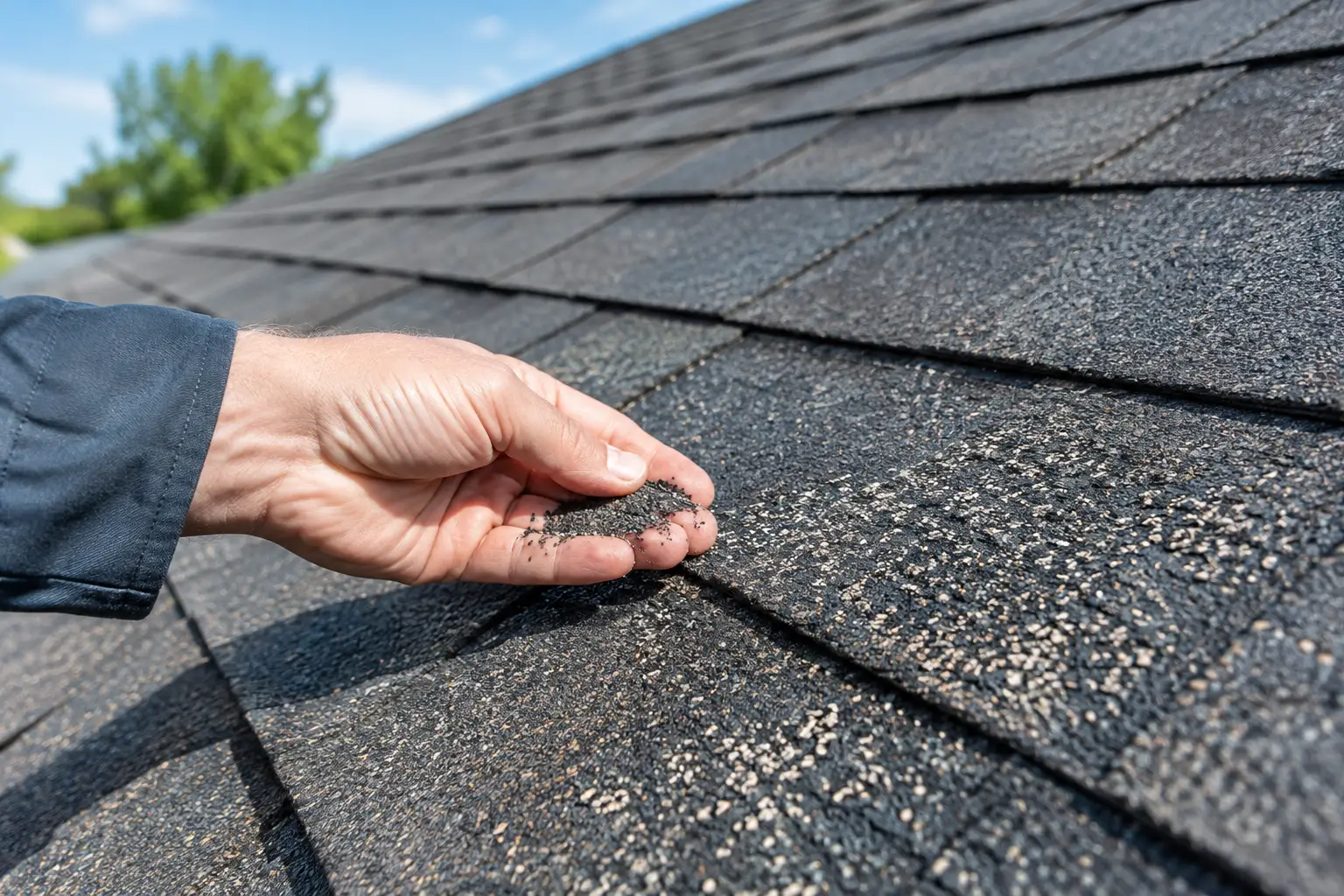
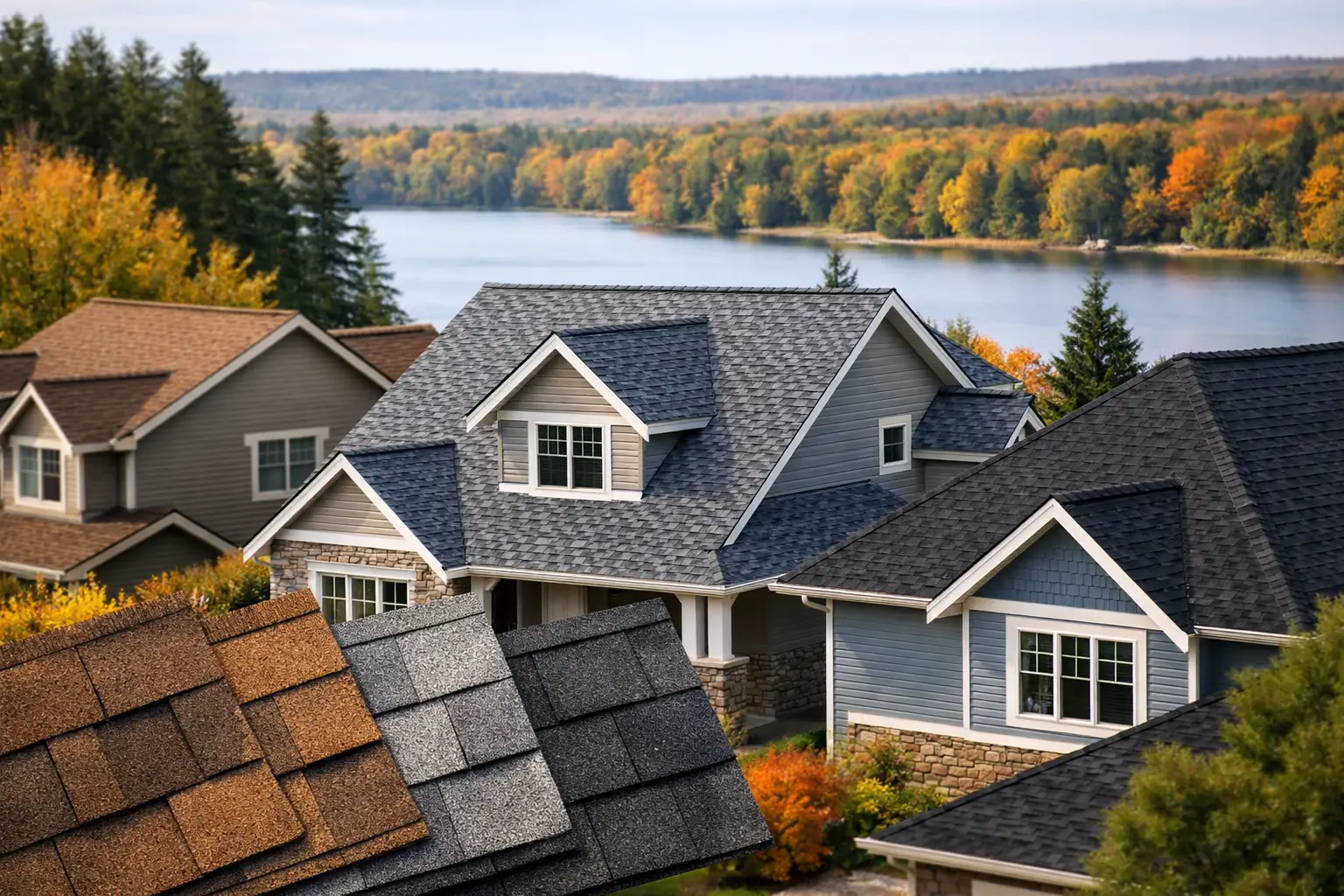
A new roof changes more than the view from the street. It can make brick look warmer, siding look cleaner, and an older home feel more current without changing its character. The best roof shingle colors are the ones that work with your home’s fixed features, perform well in Michigan’s changing light, and still feel like a sound choice years from now.
Roof color is also a decision you will live with for decades. Architectural shingles are built for long service lives, so choosing a color based only on a small sample or a passing trend can lead to regret. A clear process helps: start with what cannot easily change, look at full-size color samples outdoors, and consider how the roof will read from the street.
How to Choose the Best Roof Shingle Colors
Start with the exterior elements that are most expensive or difficult to replace. Brick, stone, siding, windows, and permanent trim all matter. Your roof should support those materials rather than compete with them.
The easiest way to make a confident decision is to identify the undertones already on the house. Red or orange brick usually has warm undertones. Gray stone, cool white siding, and blue-toned trim lean cooler. Beige vinyl, tan brick, and cream trim tend to sit in the middle. A shingle does not have to match these colors exactly, but its blend should feel intentional alongside them.
Lighting can change the result more than homeowners expect. A charcoal shingle may appear nearly black on a cloudy day, then show gray dimension in full sun. Brown blends can pull warmer in evening light. Before signing off on a color, view a sample against the home’s exterior in morning, afternoon, and overcast conditions. If possible, look at completed roofs using the same shingle color, not just a brochure image.
Roof pitch matters, too. A low-slope roof is less visible from the curb, so the color often plays a quieter role. On a steep, prominent roof, the shingles become a major part of the home’s overall color balance. Strong contrast can look sharp on a smaller roof plane but overwhelming when the roof covers much of the front elevation.
Reliable Roof Color Choices for Metro Detroit Homes
There is no one correct color for every house, but a few approaches consistently work well across southeast Michigan neighborhoods.
Charcoal and deep gray
Charcoal and dark gray are among the most versatile choices for homes with white, light gray, blue, or black-and-white exteriors. They provide clean contrast, work well with many architectural styles, and generally remain appealing when exterior trends shift.
A deep gray roof can give a traditional colonial or ranch a more defined look without feeling flashy. The trade-off is that very dark shingles can make a modest home appear heavier, especially when paired with dark siding or limited trim contrast. On a house with small roof lines and dark exterior walls, a medium gray may provide better definition.
Weathered gray and medium neutral blends
Medium gray blends are practical, forgiving, and especially well suited to homes with stone, gray siding, soft white trim, or mixed exterior materials. They tend to hide normal dust and seasonal debris better than very light or very dark solid-looking roofs.
For homeowners who want strong resale appeal without a dramatic statement, this is often the safest direction. A weathered gray has enough variation to avoid looking flat, while still giving the home a polished, updated appearance.
Brown and driftwood-inspired blends
Brown, taupe, and driftwood-toned shingles are a natural match for tan siding, cream trim, warm stone, cedar accents, and red or brown brick. They can make a home feel grounded and traditional without looking dated when the blend includes subtle gray or neutral notes.
The key is to avoid treating all browns as interchangeable. A heavily red-brown roof may clash with cool gray stone. A brown blend with gray undertones can bridge warm brick and cooler siding successfully. Sample boards are useful here because the individual granules can look very different at roof scale.
Black shingles
Black roofs create crisp contrast and can give white siding, light brick, or natural wood accents a strong architectural look. They are a popular choice for modern farmhouse-inspired exteriors and homes with black window frames or dark gutters.
Still, black is not automatically the best option because it is popular. It can visually shrink a roof into a dark mass on a home with limited contrast elsewhere. It also absorbs more heat than lighter colors, although attic ventilation, insulation, roof assembly, and sun exposure have a larger effect on comfort than shingle color alone. In Michigan, homeowners should prioritize a properly designed, ventilated roof system over color-based assumptions about energy savings.
Light gray and soft neutral shingles
Light gray shingles can look excellent on contemporary homes, coastal-inspired designs, and properties with pale siding or white brick. They keep the exterior feeling open and can reduce the visual weight of a large roof.
Their limitation is contrast. On a light house with white trim, a pale roof may blend so closely that the home loses definition from the street. Adding darker shutters, gutters, or trim can solve that issue, but those decisions should be made together rather than one at a time.
Match the Roof to Your Home’s Exterior
For red brick homes, look for charcoal, weathered gray, or neutral brown blends. The best choice depends on whether the brick reads more orange, burgundy, or brown. A cool charcoal often creates an attractive contrast with traditional red brick, while a warmer brown blend can soften a home with tan mortar and cream trim.
For white siding or white brick, you have more flexibility. Black, charcoal, medium gray, and driftwood shades can all work. Consider the trim and window color before narrowing it down. Black shingles with black accents create a sharper, more contemporary look; medium gray feels more classic and broadly appealing.
For gray siding, avoid picking a roof that is almost the same value as the wall color unless you want a low-contrast appearance. A darker charcoal roof can give light gray siding structure. If the siding is already dark, a medium gray or warm weathered blend may keep the exterior from looking too monochromatic.
For beige, tan, or greige siding, brown-gray blends are often the most forgiving. They connect warm and cool tones without forcing the exterior in either direction. This is particularly useful when a home has both vinyl siding and stone veneer with slightly different undertones.
For blue or green siding, charcoal and black are dependable choices, but medium gray can feel less severe. Brown shingles can also work with muted sage or olive exteriors when the rest of the palette has warm accents.
Consider Gutters, Trim, and the Whole Roof System
A roof color should not be selected in isolation from gutters. White gutters disappear against white fascia and are common for a reason. Black gutters can create a deliberate outline on a home with dark windows or black trim. Bronze or dark brown gutters often suit warm brick and earth-toned shingles.
The goal is not to match the gutters to the roof exactly. In many cases, gutters should relate more closely to fascia and trim, while the roof provides the larger background color. If you are replacing both the roof and gutters, reviewing those selections together prevents an almost-right result.
Material quality and installation details matter just as much as appearance. Premium architectural shingles such as Owens Corning Duration® products offer layered visual dimension that can make blended colors look more natural across a full roof. Proper underlayment, ventilation, flashing, and code-compliant installation protect the system behind the color choice.
Avoid These Common Roof Color Mistakes
The most common mistake is choosing from an online photo alone. Screen settings, weather, and photography can all alter the appearance of a shingle. A second mistake is matching a roof to a temporary item, such as a front door color that may be repainted next year, instead of permanent brick or stone.
Homeowners also sometimes choose the darkest available option simply because it looks dramatic on a sample. On a full roof, that same choice can feel much stronger. Conversely, selecting a very light shingle to make a home look larger can leave the exterior washed out if the siding and trim are also pale.
Finally, do not let a color discussion distract from written scope and installation protection. A roof replacement should include clear line items, documented materials, ventilation planning, cleanup expectations, and warranty details. The right color is more satisfying when the roof beneath it is built to perform.
A good roof color should feel settled, not risky. If you can stand across the street, see how the shingles support the brick, siding, trim, and gutters, and still like the choice under Michigan’s gray skies, you are likely making a decision that will hold up well long after installation day.
Need this done on your Downriver home?
Guthix Roofing is based in Wyandotte and serves Downriver and Wayne County. See roof replacement from a licensed local roofer, or get an instant satellite-measured price in about a minute — just your name and mobile, no phone call.
Our full guide: The Most Popular Roof Colors for 2026 — and What Works on Metro Detroit Homes, written by Greg Tittle.