A roof can look acceptable from the driveway and still be near the end of its useful life. When replacement time comes, the shingle profile you choose affects more than appearance. In the architectural asphalt shingles vs 3 tab decision, the real questions are how the roof will handle Michigan wind, snow, freeze-thaw cycles, future repairs, and your budget.
For most metro Detroit homeowners replacing a primary residence, architectural shingles are the stronger long-term choice. Three-tab shingles still have a place in limited situations, particularly on tight budgets or simple secondary structures. But they involve trade-offs that should be clear before you approve an estimate.
Architectural Asphalt Shingles vs 3 Tab: The Basic Difference
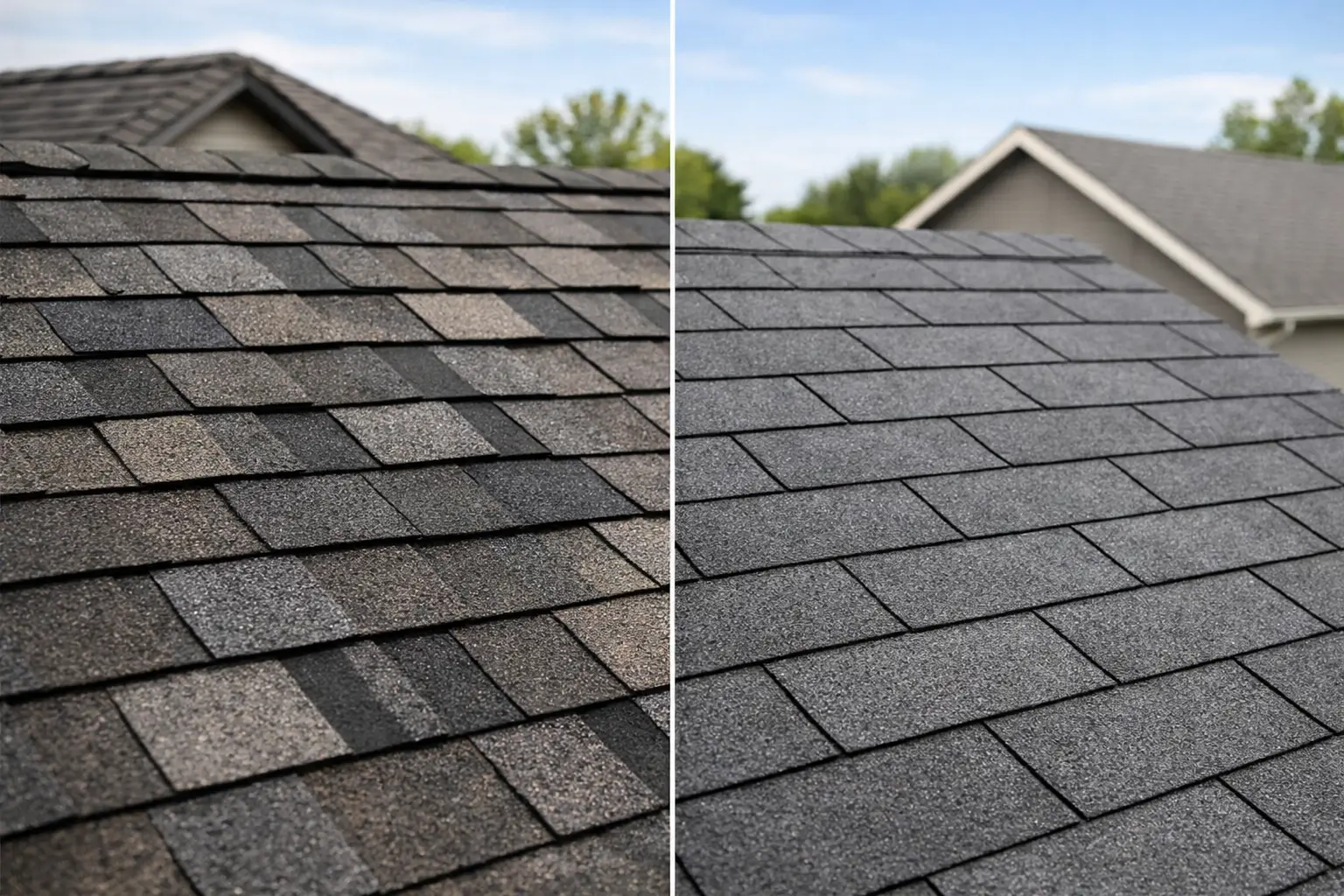
Three-tab shingles are the traditional flat-looking asphalt shingle. Each piece has three evenly spaced tabs, creating a uniform, repetitive pattern across the roof. They are lighter, thinner, and generally less expensive than architectural shingles.
Architectural shingles, also called dimensional or laminated shingles, are built with multiple asphalt layers bonded together. The extra material creates depth and shadow lines that can resemble wood shake or slate from the ground. More importantly, that construction generally gives the shingle greater durability and a more substantial feel.
The distinction is not just cosmetic. A roof is a system exposed to wind uplift, rain, ice, sun, and changing temperatures. Shingle thickness, fastening design, underlayment, flashing, ventilation, and installation quality all influence how that system performs.
Cost: Lower Upfront Price vs Long-Term Value
Three-tab shingles usually cost less per square foot. If you are roofing a detached garage, a rental property with a limited budget, or a home you expect to sell immediately, the lower initial price can be appealing.
That savings should be viewed in context. Three-tab roofs often have a shorter expected service life than quality architectural shingles, and their simpler profile can be more vulnerable to wind damage. Replacing a roof sooner means paying again for labor, tear-off, disposal, flashing work, and other parts of the project that do not disappear just because the shingles are less expensive.
Architectural shingles cost more at installation, but they can offer better value over the period you own the home. They also tend to improve curb appeal, which matters when a roof covers a large portion of the exterior. On many homes, the difference between a flat three-tab roof and a dimensional architectural roof is noticeable before a buyer even reaches the front door.
A transparent estimate should separate material choices from the rest of the scope. Homeowners should be able to see whether the price includes tear-off, deck repairs if needed, ice and water protection, underlayment, flashing, ventilation, cleanup, and warranty coverage. Comparing only a bottom-line number can hide meaningful differences.
Wind Performance Matters in Southeast Michigan
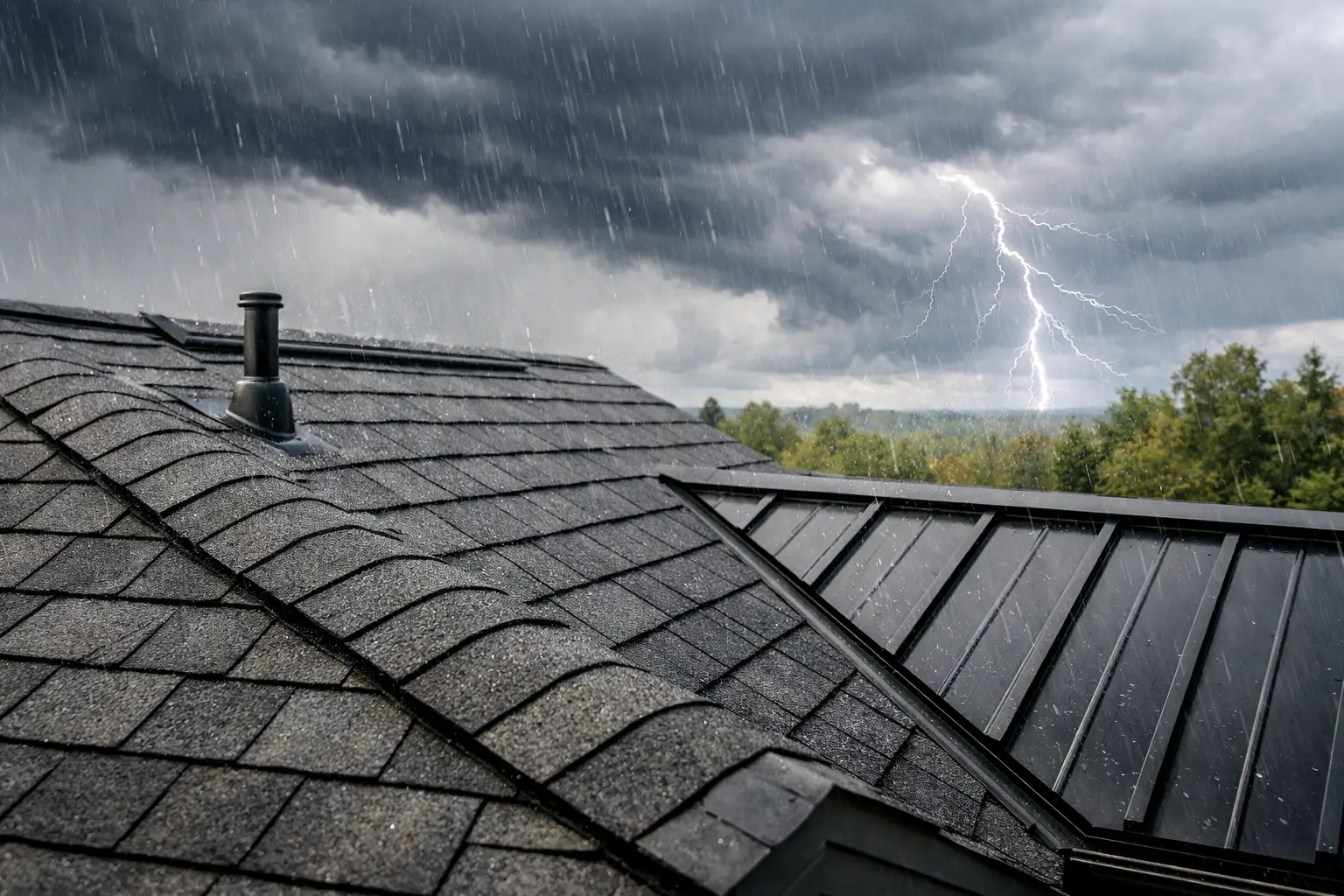
Michigan weather puts roofing materials through more than one kind of test. Strong wind can lift shingle edges. Winter storms can drive water beneath poorly sealed areas. Temperature swings cause materials to expand and contract, while snow and ice add moisture risk around eaves, valleys, and penetrations.
Architectural shingles are generally heavier and have a more substantial adhesive and fastening area than three-tab shingles. Many premium architectural products also offer higher wind ratings when installed according to the manufacturer's requirements. That does not mean any architectural shingle is automatically storm-proof. Proper nail placement, the correct number of fasteners, sealed edges, and sound roof decking remain essential.
Three-tab shingles can perform adequately when installed correctly, but their single-layer design offers less margin for harsh conditions. A lifted tab may be more visible and more likely to expose the roof beneath it. On an open, wind-prone lot or a home with a complicated roofline, that difference deserves serious consideration.
Lifespan and Maintenance Expectations
No contractor can promise that a roof will last exactly as long as a package label suggests. Sun exposure, attic ventilation, tree coverage, storm events, installation details, and maintenance all affect service life. Still, architectural shingles generally last longer than three-tab shingles under comparable conditions.
Three-tab shingles may be appropriate when the goal is a basic, economical roof. The trade-off is that homeowners should expect less thickness, fewer design options, and potentially earlier replacement. They can also be harder to match later because many manufacturers have reduced their three-tab offerings or discontinued certain colors.
Architectural shingles are widely available and remain the standard choice for most residential replacement projects. Products such as Owens Corning Duration® shingles offer a dimensional appearance and are designed for dependable performance when installed as part of a complete roof system. The specific warranty available depends on the product, installation method, and whether all manufacturer requirements are met, so it should be reviewed in writing rather than assumed.
Maintenance is straightforward for either style: keep gutters clear, trim branches away from the roof, watch for missing or lifted shingles after major storms, and address flashing issues promptly. A small leak around a chimney or vent can damage decking and insulation long before it becomes obvious inside the home.
Appearance Is More Than a Cosmetic Choice
A roof can account for a major share of a home's visible exterior. Architectural shingles add depth that works well with brick colonials, ranch homes, newer suburban construction, and many traditional Detroit-area styles. Their shadow lines can make a roof look more refined without moving into the cost of metal, cedar, or slate.
Three-tab shingles create a cleaner, flatter look. Some homeowners prefer that simplicity, especially on modest homes or outbuildings. Yet on a larger roof, the flat pattern can make the home appear less dimensional and may not complement updated siding, windows, or gutters as well as an architectural shingle.
Color deserves the same level of thought. A sample can look very different across a full roof under daylight, cloud cover, and surrounding tree shade. Consider the brick, siding, trim, and gutter color together. A roof is not a small accent - it sets the visual tone for the exterior for years.
Installation Quality Can Outweigh the Shingle Choice
The best shingle cannot compensate for shortcuts underneath it. Whether you choose architectural or three-tab shingles, the contractor should inspect the roof deck, replace damaged wood when necessary, install code-appropriate protection at vulnerable areas, and use proper flashing around walls, chimneys, skylights, and vents.
Ventilation also matters. Excess attic heat and moisture can shorten shingle life and contribute to ice dam conditions in winter. A responsible roof assessment looks at intake and exhaust ventilation rather than treating shingles as the entire project.
Before signing, ask for an itemized scope of work and confirm who will perform the installation. You should know whether the crew is licensed and insured, how property protection and cleanup will be handled, what happens if concealed deck damage is found, and what written workmanship and material warranties apply. Those details prevent the surprises that turn a roof replacement into a contractor headache.
Which Shingle Is Right for Your Home?
Choose three-tab shingles when initial price is the overriding concern, the structure is secondary, or you need a simple short-term solution. It can be a reasonable material for the right project, provided you understand its limitations.
Choose architectural shingles when you want stronger curb appeal, more material depth, better long-term value, and a roof built for the weather demands of a primary home. That is why they are the default recommendation for many homeowners across Wayne, Oakland, Macomb, Washtenaw, and Monroe Counties.
The right decision should not be driven by a sales pitch or a vague estimate. Start with a documented inspection, compare equivalent scopes, and make sure the material choice fits both the home and the length of time you plan to own it. A clear, itemized price gives you room to choose confidently - with no hidden costs and no pressure to decide before the details are on paper.
Need this done on your Downriver home?
Guthix Roofing is based in Wyandotte and serves Downriver and Wayne County. See roof replacement from a licensed local roofer, or get an instant satellite-measured price — no name or phone needed to see the number.