A roof can have shingles that still look fairly solid and yet leak around a chimney, skylight, wall, or vent. That is usually where flashing enters the conversation. Does roof flashing need replacement? Sometimes, yes - but a small issue does not automatically mean every piece of flashing needs to be removed. The right answer depends on the flashing’s condition, the age and condition of the roof around it, and whether water has already reached the roof deck or interior.
Flashing is one of the details that separates a roof that simply looks finished from a roof system that can handle years of rain, snow, ice, and wind. For Michigan homeowners, it deserves a careful inspection before a minor stain becomes a costly repair.
What Roof Flashing Does
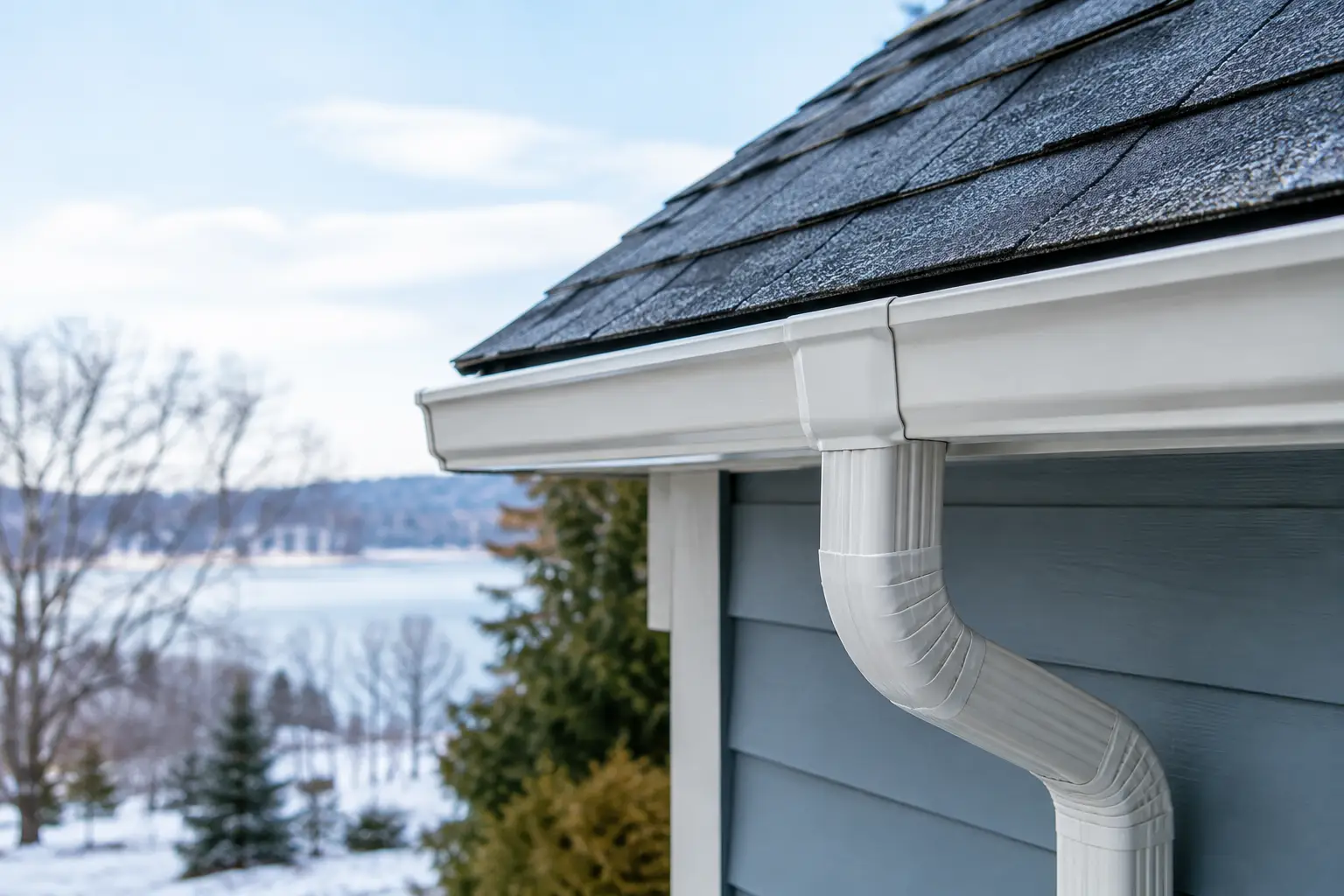
Roof flashing is typically metal installed where the roof meets a vertical surface or where something passes through the roof. Its job is to direct water away from seams and into the drainage path of the roof. Common locations include chimneys, dormers, sidewalls, valleys, skylights, plumbing vents, and roof-to-wall transitions.
Shingles shed most of the water. Flashing protects the places shingles alone cannot seal. It is installed in layers so water moves over the material below rather than finding its way underneath it.
That layered design matters during southeast Michigan winters. Freeze-thaw cycles, wind-driven rain, snow buildup, and ice can expose weak seams quickly. A roof leak near a chimney is often blamed on the shingles, but damaged, poorly installed, or improperly sealed flashing may be the actual source.
Does Roof Flashing Need Replacement or Repair?
Roof flashing needs replacement when it can no longer reliably direct water away from vulnerable areas. Rusted-through metal, cracked flashing, loose sections, failed seams, and flashing bent away from the roof are clear concerns. If the material has deteriorated or was installed incorrectly, adding more sealant is not a long-term fix.
However, not every flashing issue requires full replacement. A small gap in sealant around a vent boot, for example, may be repairable if the metal is sound and the surrounding shingles are in good condition. A qualified inspection should distinguish between a targeted repair and a replacement that addresses the full cause of the leak.
The biggest mistake is treating caulk as a permanent answer to failed flashing. Roofing sealant has a purpose, but it is a secondary layer of protection. It can dry out, crack, or separate over time. Properly installed flashing relies on overlap, fastening, and water flow first, with sealant used where appropriate.
7 Signs Your Roof Flashing May Need Replacement
1. Rust, corrosion, or holes in the metal
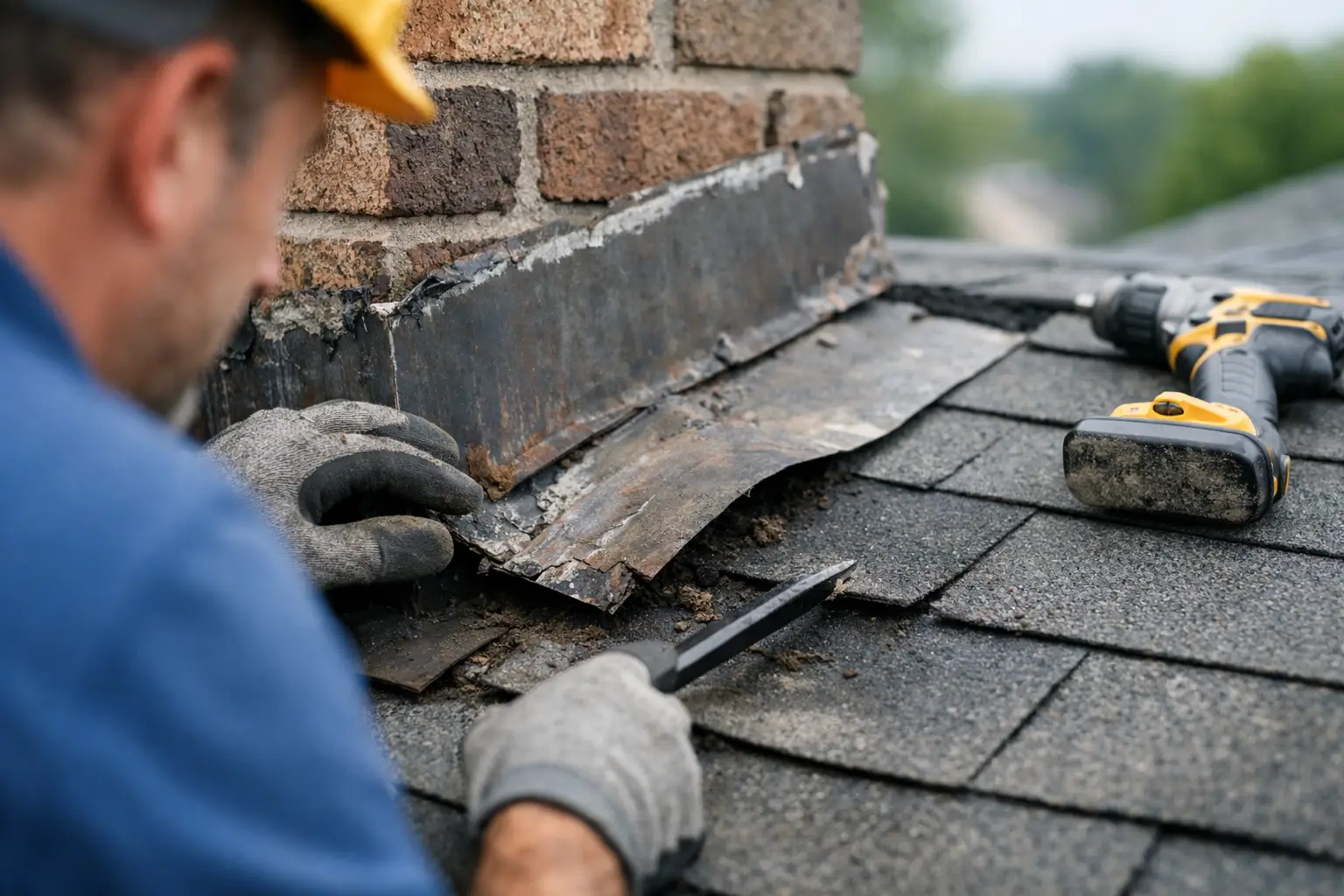
Surface discoloration is worth watching, but deep corrosion is more serious. Once metal flashing begins to pit, flake, or develop holes, water can enter behind the shingles or siding. This is especially common on older galvanized flashing that has reached the end of its service life.
2. Flashing has lifted, bent, or pulled away
Flashing should lie securely against the roof or vertical surface it protects. High winds, improper fastening, building movement, and old repairs can cause it to lift or separate. Even a narrow opening can allow wind-driven rain into the roof assembly.
3. Cracked or missing sealant at critical joints
Sealant alone is not the measure of a good flashing installation, but failing sealant can reveal a problem. Look closely at chimney corners, vent penetrations, skylight edges, and wall transitions. If sealant is brittle, split, or missing, the area should be evaluated before the next heavy rain.
4. Water stains near a chimney, skylight, or exterior wall
A ceiling stain does not always appear directly below the leak. Water can travel along framing or the underside of roof decking before it becomes visible indoors. Still, staining near a flashing location is a strong reason to schedule an inspection, particularly if it returns after a repair.
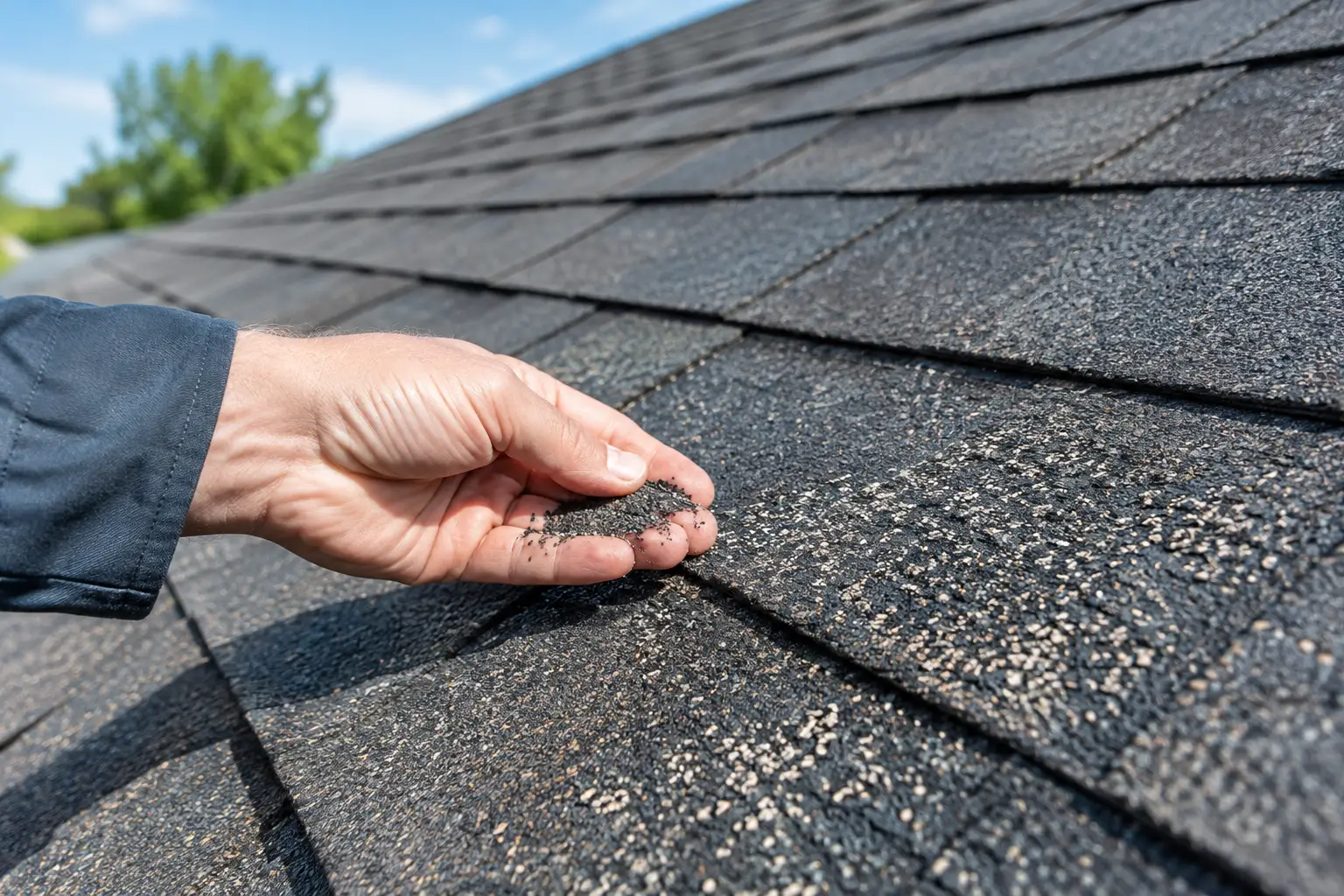
5. Shingles around the flashing are cracked or missing
Flashing and shingles work together. When shingles adjacent to flashing are curled, broken, loose, or missing, the flashing may no longer be properly integrated with the roof. Replacing only the visible shingle can leave the underlying detail vulnerable if the flashing is also compromised.
6. The chimney mortar is failing
Chimney flashing often includes counterflashing embedded in mortar joints. Crumbling mortar, open joints, or loose counterflashing can create a direct path for water. Depending on the condition, the repair may involve both roofing work and masonry repair. Addressing only one side of that connection can leave the problem unresolved.
7. The roof is being replaced
A roof replacement is usually the best time to replace aging or questionable flashing. Some components can be reused when they are in excellent condition and correctly installed, but reusing worn metal to save a small amount upfront can create an avoidable leak risk later.
For most homeowners, it makes sense to ask for the flashing scope in writing. Your estimate should identify what will be replaced, what may be reused, and why. Clear line items prevent assumptions and help you compare proposals fairly.
Areas Where Flashing Problems Are Most Common
Chimneys are one of the most leak-prone areas because they interrupt a large section of the roof and involve multiple flashing pieces. Proper chimney work typically includes base flashing, step flashing along the sides, a back pan or cricket where needed, and counterflashing to protect the upper edge.
Sidewalls and dormers also require step flashing. This method uses individual metal pieces woven between shingle courses, directing water down the roof instead of behind the wall cladding. A continuous strip of metal or excessive sealant may look acceptable from the ground but can fail if it does not allow water to shed correctly.
Plumbing vents and other penetrations deserve attention as well. Rubber or neoprene boots can crack with age and exposure, while metal components can corrode or loosen. These are often relatively straightforward repairs when caught early.
Replacement During a New Roof: What to Expect
When flashing is replaced as part of a full roof project, the crew removes the old roofing materials around the affected areas and inspects the decking beneath. If moisture has damaged the wood, that condition should be documented and discussed before new materials are installed.
New flashing is then integrated with underlayment, ice and water protection where required, and new shingles. The exact materials and methods vary by location. A chimney is detailed differently than a vent pipe, and a roof-to-wall intersection is handled differently than a skylight.
This is why an itemized estimate matters. “Flashing included” can mean very different things between contractors. Homeowners should know whether the proposal includes new pipe boots, chimney flashing, wall flashing, valley metal where applicable, and any necessary decking repairs. A documented scope helps eliminate hidden costs and zero-surprise conversations after work begins.
Can You Inspect Flashing Yourself?
You can spot obvious warning signs from the ground or attic, but avoid climbing onto the roof. Binoculars can help you see lifted metal, missing shingles near transitions, or rust around roof penetrations. Inside the attic, look for damp insulation, darkened decking, musty odors, or active drips after rain.
Do not assume an absence of visible interior damage means everything is fine. Slow leaks can wet roof decking and insulation long before a ceiling stain appears. Likewise, a stain may be old and dry, but it still warrants an inspection to confirm the original source was properly corrected.
A professional inspection is particularly worthwhile after severe wind, after an ice dam event, when buying an older home, or when planning a roof replacement. The goal is not to sell replacement work that is unnecessary. It is to identify the condition of the water-shedding details before they cause damage that costs more to fix.
Choose a Repair That Matches the Problem
The best flashing decision is specific, not automatic. Sound flashing with a minor sealant issue may need a focused repair. Deteriorated metal or a poorly detailed transition should be replaced. If shingles are near the end of their life, replacing the roof and flashing together is often the more durable, better-warranted path.
For metro Detroit homeowners, ask for photos, a clear explanation of the failure point, and written scope before approving work. Guthix Roofing builds that clarity into its inspection and estimating process, so you can understand what is being repaired, what is being replaced, and why. A well-detailed flashing repair may be a small line item today, but it can protect the roof deck, insulation, and interior of your home for years to come.
Need this done on your Downriver home?
Guthix Roofing is based in Wyandotte and serves Downriver and Wayne County. See roof leak repair from a licensed local roofer, or get an instant satellite-measured price in about a minute — just your name and mobile, no phone call.