
A new roof can carry more than one warranty, and the paperwork can look reassuring long before you know what it actually protects. This homeowner guide to roof warranties explains the questions worth asking before work begins, so you know who stands behind the materials, who stands behind the installation, and what could put coverage at risk.
For metro Detroit homeowners, those details matter. Michigan roofs handle freeze-thaw cycles, wind, heavy rain, snow loads, and summer heat. A warranty is not a substitute for proper installation, but it is a meaningful layer of protection when the roof system and documentation are handled correctly.
Start With the Two Warranties That Matter Most
Most roof replacements involve two separate forms of protection: a manufacturer warranty and a contractor workmanship warranty. They cover different problems, come from different parties, and should both be explained in writing.
A manufacturer warranty generally applies to defects in the roofing materials. If shingles fail prematurely because of a manufacturing issue, the manufacturer may provide coverage based on the terms of its warranty. That does not automatically mean it pays for every cost associated with replacement. Some warranties cover materials only, while others may include labor during a defined period when qualifying system components are installed.
A workmanship warranty comes from the roofing contractor. It addresses installation-related issues, such as a leak caused by incorrectly installed flashing, improperly fastened shingles, or a detail that does not meet the agreed scope. If the contractor is no longer in business or will not return calls, that promise has limited practical value. This is why a licensed, insured local contractor with a clear written process matters as much as the shingle brand.
Do not accept a vague statement such as "lifetime warranty" as the full answer. Ask for the actual warranty documents and identify exactly which company provides each layer of coverage.
What “Lifetime” Usually Means
“Lifetime” is common language in roofing warranties, but it rarely means every roof issue is covered forever with no conditions. It usually refers to a defined level of material coverage for as long as the original homeowner owns the home, subject to the warranty terms.
Coverage can change over time. The early period may offer stronger protection, while later years may be prorated. Under prorated coverage, the manufacturer may contribute only a portion of the material cost based on the roof’s age. Labor, tear-off, disposal, decking repairs, interior damage, and code-required upgrades may not be included unless the specific warranty says otherwise.
The practical question is not whether a warranty uses the word “lifetime.” Ask what is covered in year one, year 10, and year 25. A clear answer should distinguish materials, labor, installation errors, and incidental costs.
A Roof System Can Affect Warranty Eligibility
Shingles do not work alone. A complete roof system includes underlayment, starter shingles, ridge cap shingles, ventilation, flashing, ice and water protection where required, and proper fastening. Certain enhanced manufacturer warranties may require specified components from the same manufacturer and installation by a contractor with the appropriate certification.
That requirement is not just a sales detail. System components are designed to work together, and manufacturers want consistency before extending their strongest coverage. If an estimate simply says “new shingles” without describing the underlayment, ventilation approach, flashing work, and accessory products, it is hard to confirm what warranty level applies.
For example, premium architectural shingles such as Owens Corning Duration® products can be part of a well-documented system. But the exact warranty still depends on the products selected, the installer’s qualifications, and the registration requirements. Review the written proposal, not just the shingle color sample.
Read the Exclusions Before You Need Them
Every warranty has exclusions. Reading them before signing is more useful than discovering them after a leak or claim. Common exclusions include damage from severe weather, falling branches, hail, improper roof alterations, poor attic ventilation, structural movement, and damage caused by other trades.
Wind coverage deserves a close look. Some warranties provide wind-resistance coverage only if shingles are installed according to the manufacturer’s instructions and sealed properly. In a high-wind event, a manufacturer may inspect whether the failure resulted from a material defect, installation issue, or storm damage outside the warranty.
Ventilation is another frequent source of confusion. Excess heat and moisture in an attic can shorten roof life, contribute to deck movement, and create condensation problems that look like roof leaks. A responsible contractor should assess intake and exhaust ventilation as part of the replacement plan. It is not always necessary to redesign the entire ventilation system, but the existing conditions should be addressed honestly.
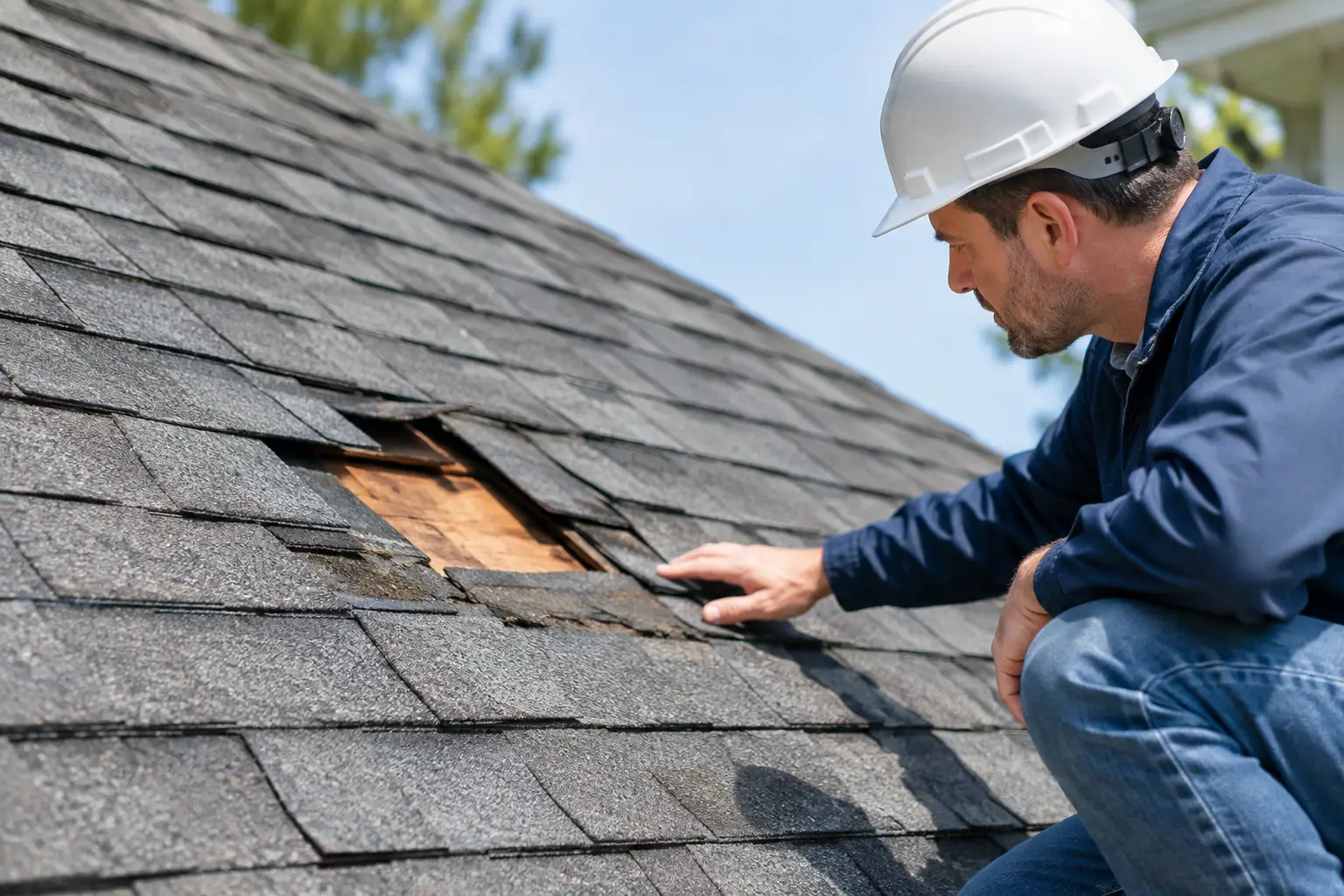
Warranties also generally do not cover pre-existing issues that were not included in the project scope. Rotten roof decking discovered after tear-off, chimney deterioration, masonry leaks, and siding-related water entry are separate conditions. Clear estimates identify what is included, what may require additional work if discovered, and how those decisions will be documented.
Questions to Ask Before You Approve an Estimate
A transparent contractor should be able to answer warranty questions without pressure or vague promises. Before approving a roof replacement, ask these questions:
- What manufacturer warranty applies to the exact shingle and system components in my estimate?
- Does the warranty cover materials only, or does it include labor for any period?
- What workmanship warranty do you provide, and what installation issues does it cover?
- Are warranty registration steps required, and who completes them?
- Which conditions could void or limit coverage?
- Is ventilation included, evaluated, or excluded from the scope?
- What documents will I receive when the project is complete?
These answers should match the written estimate. If the salesperson promises one level of coverage but the proposal lists different materials or leaves out the installation details, pause before signing. A roof is too significant an investment to rely on verbal assurances.
Keep a Simple Warranty File
Warranty protection is easier to use when your project records are organized. Keep the signed contract, itemized estimate, manufacturer warranty document, workmanship warranty, paid invoice, photos of the completed work, and any registration confirmation in one digital folder. If you sell the home, these records can also help a buyer understand the age and scope of the roof replacement.
Transferability varies by warranty. Some manufacturer warranties can transfer once to a subsequent owner if paperwork is submitted within a specific time frame. Others may lose certain enhanced benefits after transfer. Contractor workmanship warranties may be transferable, non-transferable, or subject to separate conditions. Never assume a warranty follows the house without checking the actual terms.
If you notice a potential issue, document it promptly. Take photos from the ground when possible, note the date and weather conditions, and contact the contractor before arranging unrelated repairs. An emergency situation may require immediate action to prevent further water damage, but keeping records helps establish what happened and when.
Warranty Value Starts With the Installation
The strongest warranty cannot correct a roof that was poorly planned or installed. Proper tear-off, deck inspection, flashing details, code-compliant ice and water protection, ventilation review, and cleanup all influence how a roof performs long after the crew leaves.
That is why the estimate matters. Homeowners should be able to see the scope, material choices, warranty terms, and potential variables before work starts - no hidden costs and no surprises disguised as fine print. Guthix Roofing provides itemized roof replacement estimates and written warranty information so homeowners can make that decision with the full picture in front of them.
Before choosing a roof, take the extra few minutes to compare the documents behind the promise. A clear warranty will not make Michigan weather any gentler, but it can make the next step far more straightforward if a covered issue ever arises.
Need this done on your Downriver home?
Guthix Roofing is based in Wyandotte and serves Downriver and Wayne County. See roof replacement from a licensed local roofer, or get an instant satellite-measured price — no name or phone needed to see the number.