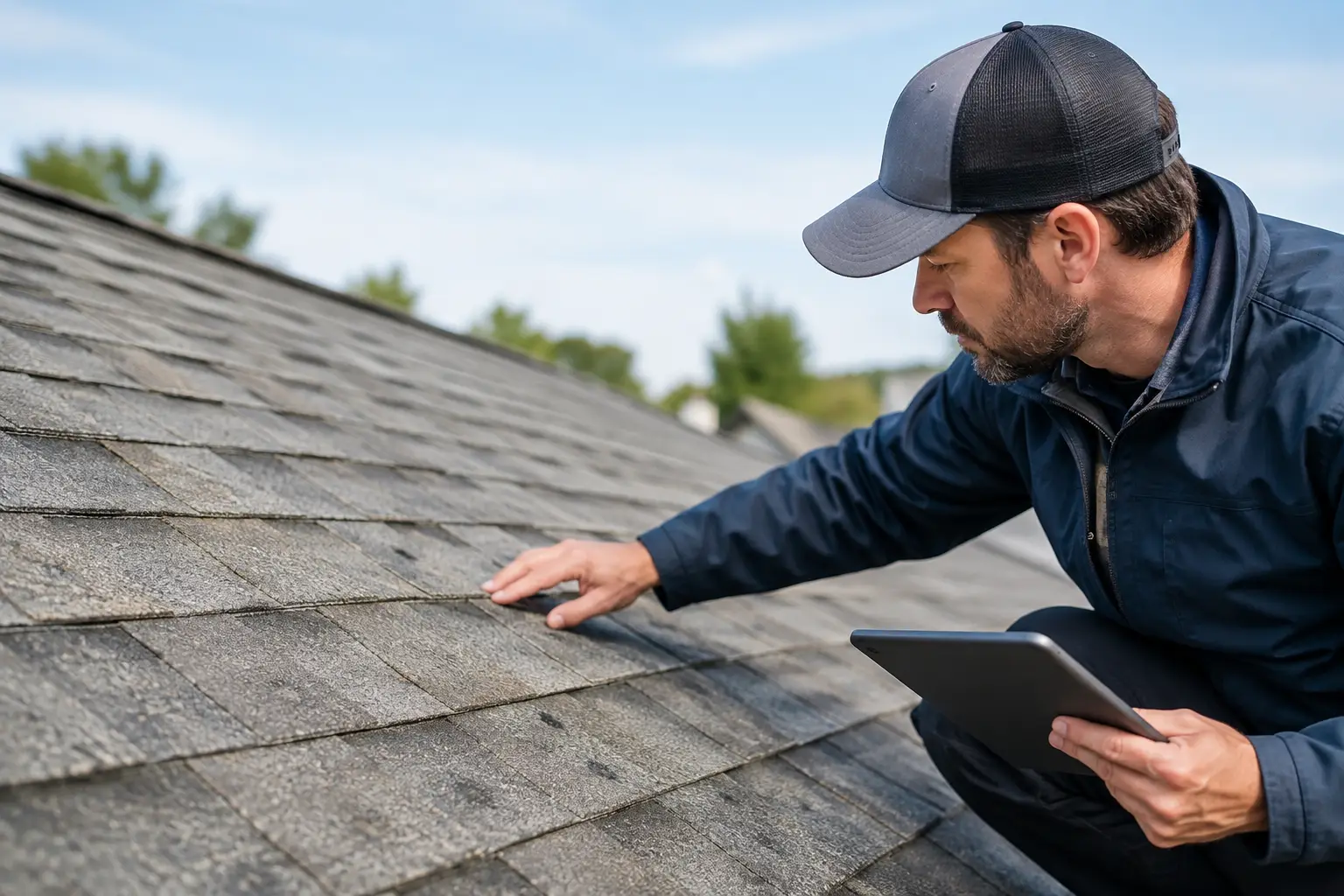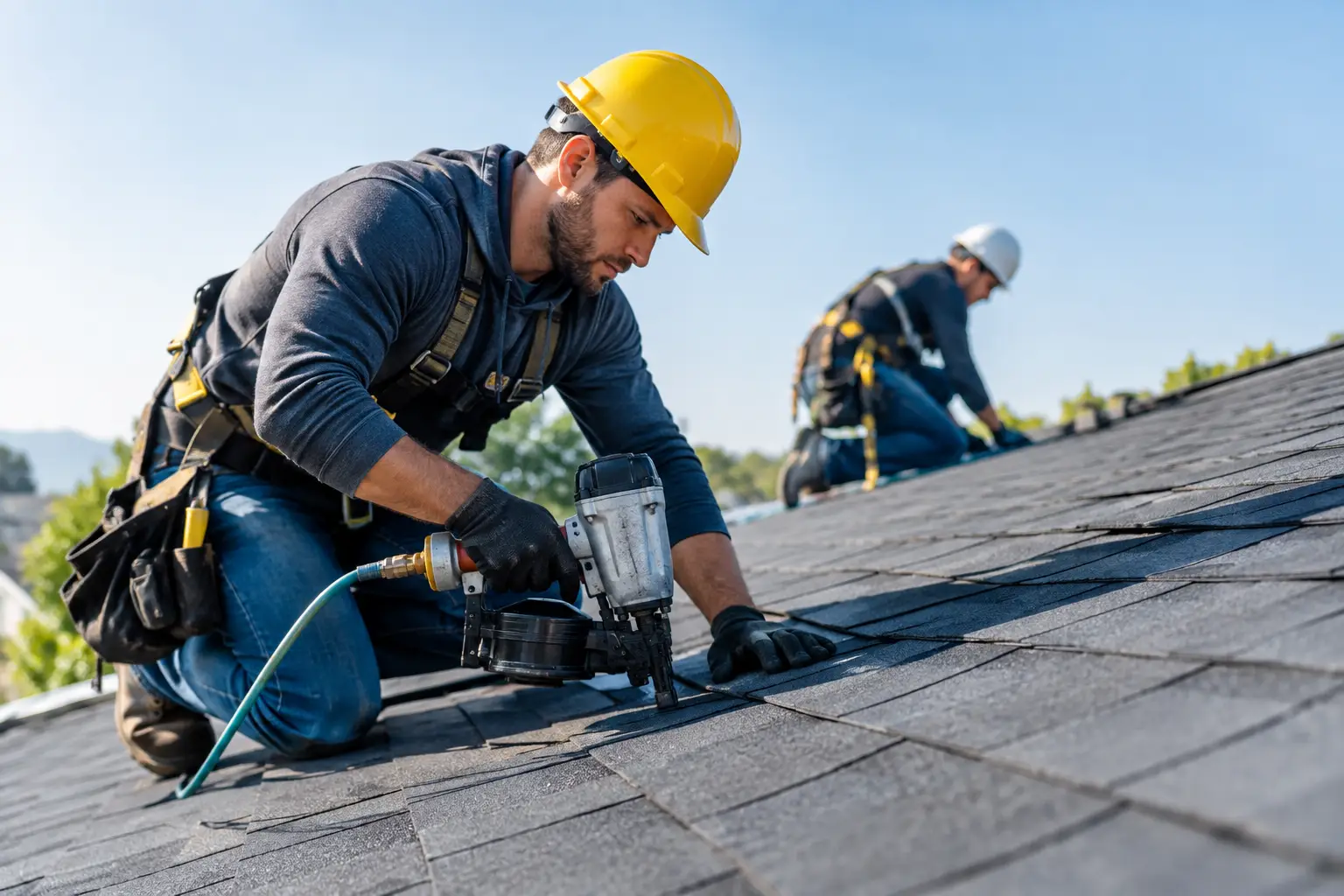
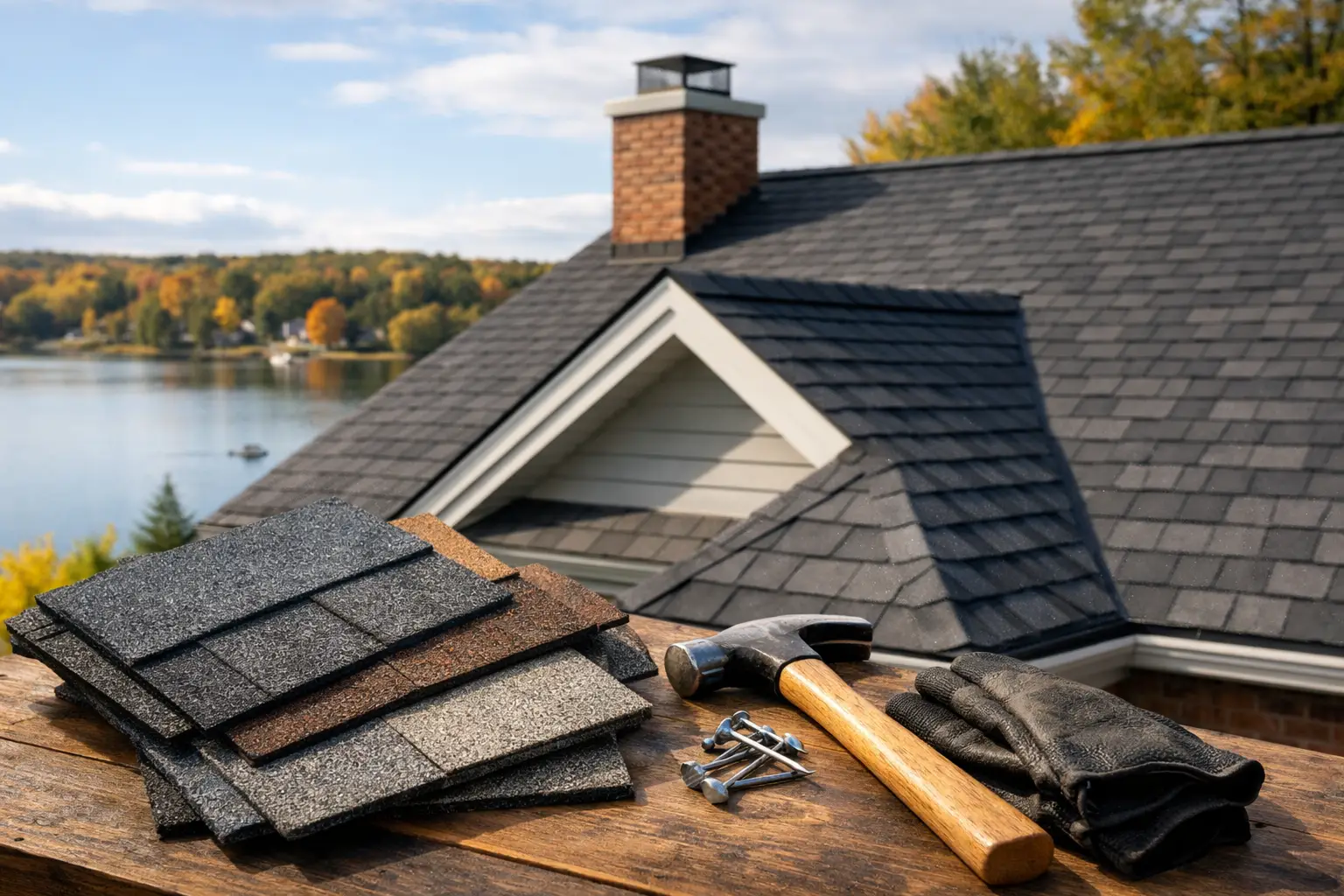
A shingle is a small part of your roof, but the decision affects your home for decades. Learning how to choose roof shingles means looking beyond a sample board or the lowest number on an estimate. In southeast Michigan, your roof needs to handle freeze-thaw cycles, wind, heavy rain, snow loads, and summer heat while still looking right on your home.
The best choice is usually not the most expensive shingle on the market. It is the roof system that fits your home, your budget, your neighborhood, and the conditions it will face - installed with a clearly documented scope and real warranty protection.
Start With Your Home and Michigan Weather
Every roof has its own practical demands. A simple gable roof with a moderate slope presents a different installation than a home with steep sections, valleys, dormers, skylights, or a low-pitch rear addition. Those details affect the materials needed, the labor involved, and the places where water management matters most.
Michigan weather makes those details more than cosmetic. Ice can form along eaves, melt, and refreeze. Wind-driven rain can test flashing around chimneys and walls. Temperature swings expand and contract roofing materials over time. A shingle should be part of a complete assembly designed to manage those conditions, not a stand-alone product chosen from a color swatch.
For many metro Detroit homeowners, architectural asphalt shingles are the practical middle ground. They offer more dimension and durability than basic three-tab shingles without the higher cost and structural considerations that can come with slate, tile, or some metal roofing systems.
How to Choose Roof Shingles by Type
Architectural shingles, also called dimensional shingles, are the standard choice for most residential replacements. Their layered construction creates a thicker profile and more shadow than three-tab shingles, which gives the roof a more finished appearance. They are also commonly available with stronger wind ratings and longer manufacturer warranty options.
Three-tab shingles can cost less upfront, but they have a flatter appearance and are generally a less common choice for homeowners replacing a roof they expect to keep for many years. Saving on the shingle itself may not feel worthwhile when labor, tear-off, underlayment, flashing, and disposal remain major parts of the project cost.
Premium designer asphalt shingles can make sense for homes with distinctive architecture or homeowners seeking a higher-end look. However, they are not automatically the right value. Ask whether the added cost improves the performance you need or mainly changes the visual style. Both can be valid reasons to upgrade, but they should be stated clearly.
Treat the Roof as a System, Not a Bundle of Shingles
A roof is only as dependable as the materials and workmanship beneath and around the shingles. The visible shingles shed most of the water, but they are not the only line of defense.
A properly scoped replacement should address decking condition, ice and water protection in vulnerable areas, synthetic or felt underlayment, starter shingles, ridge cap shingles, ventilation, and flashing. Flashing is especially important around chimneys, walls, vents, skylights, and valleys. Reusing damaged or poorly installed flashing can create a leak risk even when the new shingles look perfect.
Ventilation also deserves a direct conversation. An attic needs balanced intake and exhaust ventilation to help control heat and moisture. The right approach depends on the home’s existing soffit intake, attic layout, insulation, and roof design. Adding roof vents without confirming intake ventilation is not a complete answer.
When reviewing an estimate, look for line items that explain what is included. “New roof” is not enough detail for a major investment. You should be able to see whether tear-off, decking replacement allowances, underlayment, ice barrier, flashing work, ventilation, permits, cleanup, and disposal are included or handled separately.
Compare Ratings That Matter in Real Conditions
Manufacturer literature contains plenty of numbers, and not every number deserves equal attention. Focus on the specifications that connect to your home and local weather.
Wind resistance matters on exposed homes and in areas where storms regularly bring strong gusts. Ask what wind rating applies to the exact shingle and installation method being quoted. A rating may depend on using matching starter products, correct fastening patterns, and specified hip and ridge materials.
Impact resistance may be worth considering if hail is a concern or if your insurance carrier recognizes a qualifying product. It can be a useful upgrade, but homeowners should verify any insurance discount directly with their carrier rather than assuming one will apply.
Algae resistance is another practical consideration. Dark streaks on a roof are often algae growth, especially on shaded slopes or homes surrounded by mature trees. Shingles with algae-resistant granules can help preserve the roof’s appearance, though they cannot eliminate every cause of staining or debris buildup.
Warranty language requires the same careful reading. A long manufacturer warranty does not mean every future problem is covered for the full stated term. Ask what portion covers materials, what portion covers labor, whether registration is required, and what installation requirements apply. Just as important, confirm the contractor’s workmanship warranty in writing.
Choose a Color That Works Beyond the Sample Board
Shingle color changes the entire exterior because the roof is such a large visual surface. A color that looks appealing under showroom lights can look very different outdoors beside brick, siding, trim, stone, and landscaping.
Start by identifying the fixed elements you are not changing. Brick undertones, siding color, window frames, gutters, and masonry should guide the choice. Warm brown brick often works well with weathered browns, muted blacks, or blended gray-brown shingles. Cooler gray siding and stone often pair well with charcoal, slate, or cool gray blends.
Consider the home from the street, not only from a close-up view. Highly variegated shingles can add depth to a simple exterior but may feel busy on a home that already has multiple colors and textures. A darker roof can create a crisp, grounded look, while a lighter blend can soften a large roof plane. There is no universal best color, and neighborhood context matters if nearby homes have a consistent character.
Viewing full-size samples outdoors is more reliable than choosing from a tiny printed image. Digital color tools can help narrow options, but samples should still be considered in daylight and against the exterior materials that will remain.
Compare Estimates Without Comparing Only the Bottom Line
Two quotes can show the same shingle brand and still describe very different projects. The difference may be hidden in tear-off procedures, underlayment, flashing, ventilation, cleanup standards, permit handling, or exclusions for damaged decking.
Before selecting a contractor, get clear answers to four questions:
- What exact shingle line, color, and accessory products are included?
- Which parts of the existing roof will be removed, replaced, or inspected?
- How are unexpected deck repairs priced and approved?
- What written workmanship and manufacturer warranty coverage applies?
A transparent contractor should not make you chase down those details. The scope should show where your money is going and what happens if the crew finds concealed damage after tear-off. That is how you avoid the uncomfortable surprise of a vague estimate becoming a much larger invoice.
Licensed and insured installation matters just as much as product selection. Roofing is a building-envelope project, not a cosmetic overlay. Local code compliance, proper permitting where required, careful protection of landscaping, and a clean jobsite all affect whether the experience feels controlled from start to finish.
Make the Decision With Long-Term Value in Mind
The cheapest shingle choice can become expensive if it leaves out critical protection or leads to an early replacement. At the same time, paying for every available upgrade is not automatically wise. A practical decision balances the home’s expected ownership timeline, roof complexity, exposure to weather, appearance goals, and budget.
For most homeowners, a premium architectural asphalt shingle system is a strong fit: durable, attractive, repairable, and designed for the weather Michigan delivers. Owens Corning Duration shingles are one example of an architectural option worth discussing when comparing performance, color choices, and warranty eligibility.
Take the time to review the written scope before scheduling work. The right roof should not require a leap of faith. It should come with clear materials, clear pricing, clear protections, and a crew prepared to install it correctly the first time.
Need this done on your Downriver home?
Guthix Roofing is based in Wyandotte and serves Downriver and Wayne County. See roof replacement from a licensed local roofer, or get an instant satellite-measured price — no name or phone needed to see the number.