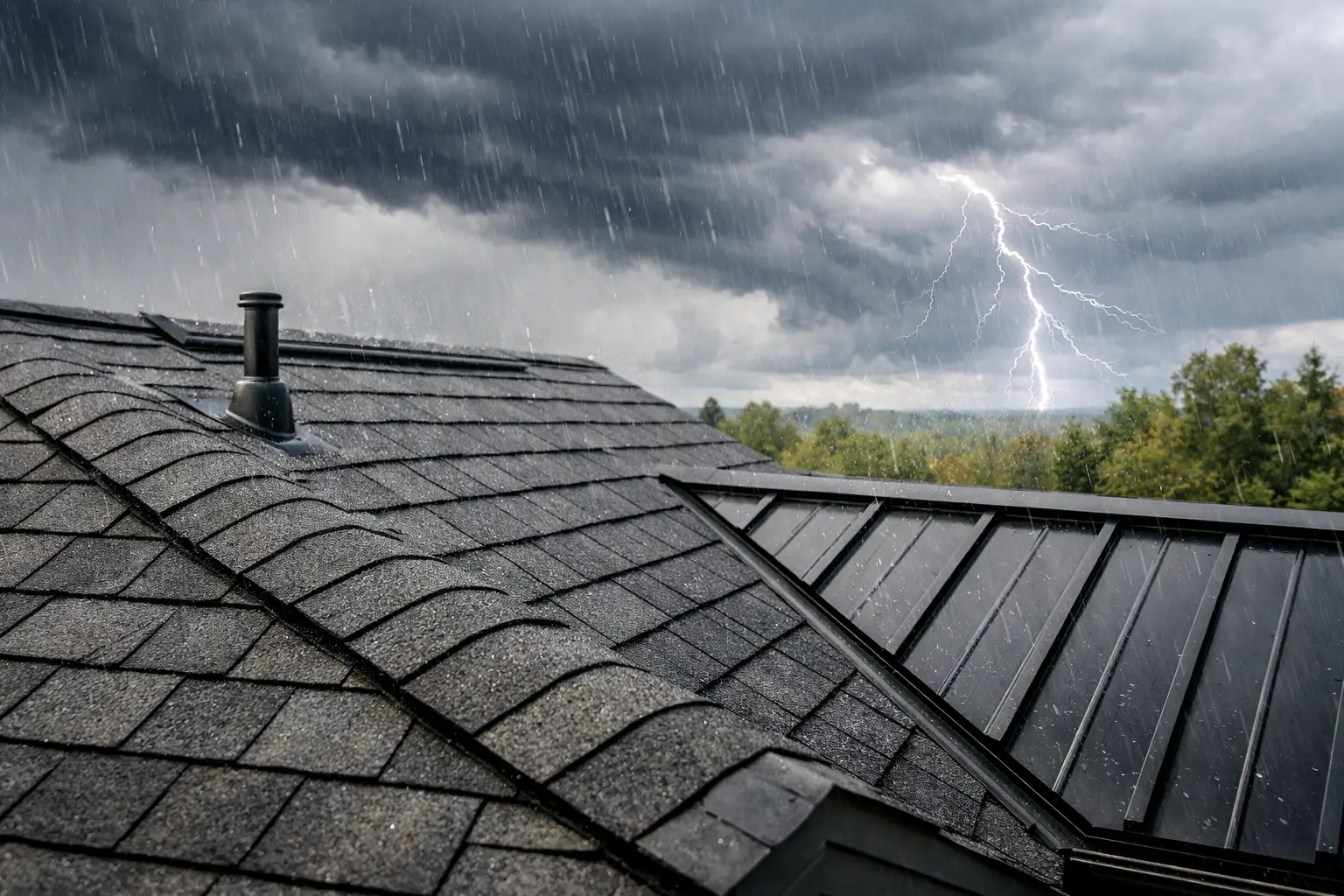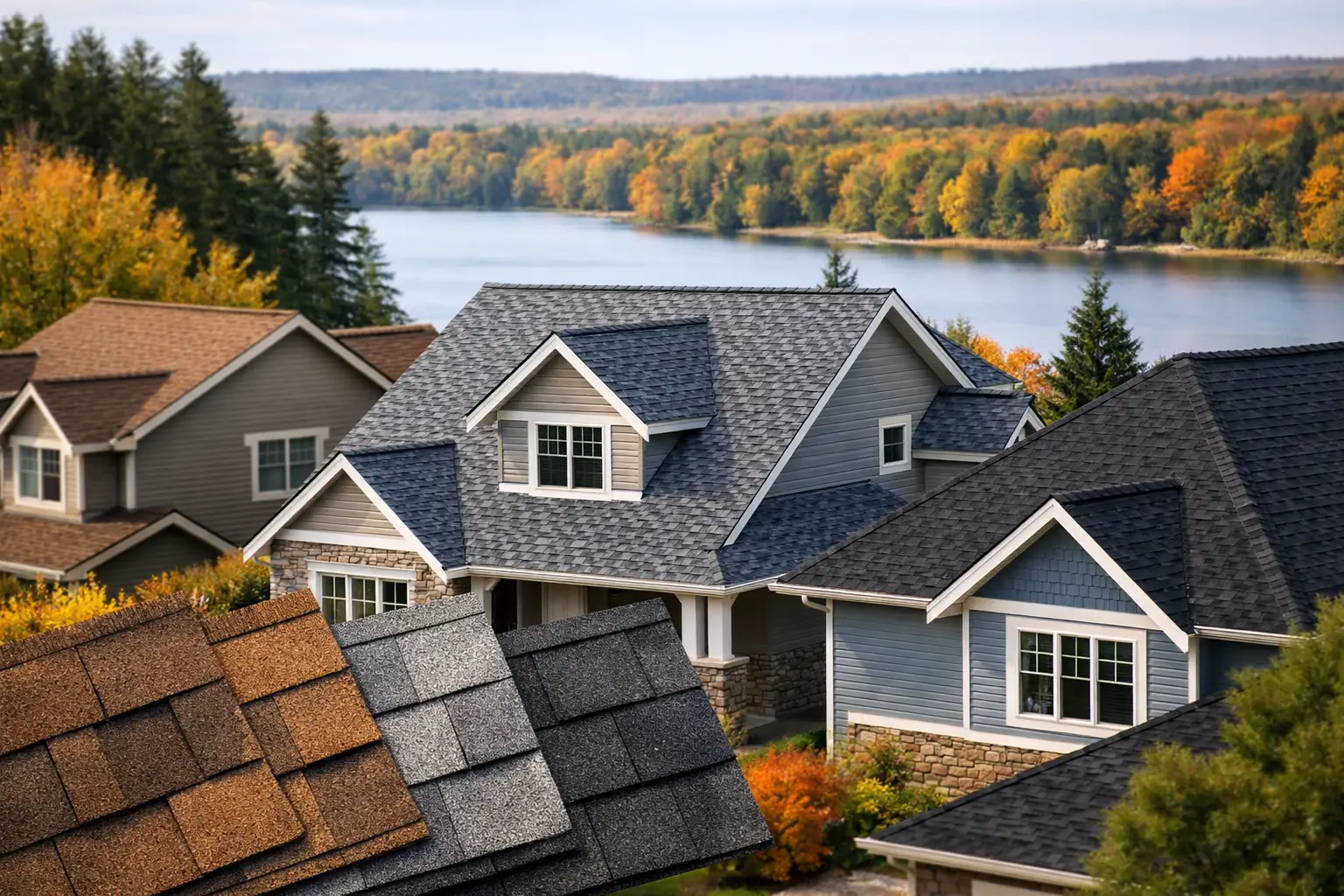

A roof replacement should not come down to a single number at the bottom of a proposal. An itemized roofing estimate example shows what you are paying for, what the contractor is responsible for, and where costs could change. For Michigan homeowners, that clarity matters. Ice, wind, heavy rain, and hidden deck damage can all affect a project, but none of them should become an excuse for vague pricing or surprise charges.
A good estimate does more than list shingles and labor. It documents the roof system, the installation scope, cleanup, warranty information, and any conditions that could require an approved change order. That gives you a practical way to compare contractors without guessing what has been left out.
What an itemized roofing estimate should include
Every home is different, so the measurements and final total will vary. Still, a complete residential roofing estimate should separate the major parts of the work instead of burying them inside a broad line such as “new roof package.” You should be able to see the material type, quantities or coverage assumptions, labor, disposal, and any optional work.
The estimate should also identify the property and roof being priced. Look for the address, roof measurement in squares or square feet, roof pitch or complexity when relevant, the date, and how long the price is valid. Satellite measurements can produce fast, useful pricing, but a site inspection remains valuable for confirming access, deck condition, ventilation, and details that cannot be seen clearly from above.
Here is a simplified example for a 2,200-square-foot roof surface. It is illustrative only, not a quote. Roof height, pitch, layers, chimney flashing, valleys, wood replacement, and local permit requirements can all change the price.
Sample estimate for a roof replacement
| Scope item | Description | Example price | | --- | --- | ---: | | Tear-off and disposal | Remove one existing shingle layer; haul away debris | $2,750 | | Deck preparation | Inspect exposed decking; re-secure loose sheathing where needed | $650 | | Architectural shingles | Premium architectural asphalt shingles, including standard accessory materials | $6,400 | | Underlayment and ice barrier | Synthetic underlayment plus ice and water barrier at eaves, valleys, and penetrations | $1,450 | | Starter and ridge shingles | Matching starter course and ridge cap shingles | $900 | | Flashing work | Replace pipe boots and address standard flashing transitions | $625 | | Ventilation | Install or adjust intake and exhaust ventilation as specified | $1,100 | | Labor and site protection | Installation, landscaping protection, magnetic nail sweep, and daily cleanup | $4,300 | | Permit and final cleanup | Permit allowance, final debris removal, and cleanup | $425 | | Estimated project total | Before approved deck repairs or specialty upgrades | $18,600 |
An estimate may group some of these items together, and that is not automatically a problem. What matters is whether the written scope still makes the materials and responsibilities clear. For example, “complete Owens Corning Duration® roofing system with ice barrier, underlayment, starter, ridge cap, and installation” can be clear if the estimate identifies what is included and where it will be installed.
Read the scope, not just the total
Two estimates can show similar totals while covering very different work. One contractor may include full tear-off, new pipe boots, ridge ventilation, and cleanup. Another may use a lower initial number but exclude those essentials or treat them as additions later.
Start with tear-off. The proposal should state how many existing layers will be removed and whether disposal is included. Installing new shingles over an old roof can sometimes be permitted, but it can conceal deck issues, add weight, and reduce the chance to correct flashing or ventilation problems. A lower price is not necessarily better if it reflects a shortcut you do not want on your home.
Then look at the water-management components. Shingles are only one layer of a roof system. In southeast Michigan, ice and water barrier is especially important along eaves and in vulnerable areas such as valleys and around penetrations. The estimate should describe the underlayment, starter strip, ridge cap, and flashing approach. If those items are not mentioned, ask whether they are included and get the answer in writing.
Ventilation deserves the same attention. Proper intake and exhaust ventilation can help manage attic moisture and heat, but the right solution depends on your attic configuration. A proposal should not promise a generic vent upgrade without explaining what will be installed and why. If soffit intake is blocked or insufficient, adding more ridge vent alone may not solve the underlying problem.
Know how decking repairs are handled
Roof decking is one of the most common variables in a replacement project because its condition is not fully visible until old materials come off. A transparent estimate will explain the allowance or per-sheet rate for damaged plywood or OSB, along with the approval process.
For example, the estimate may say that replacement decking is priced at $95 per 4-by-8-foot sheet, installed, with homeowner approval required before work proceeds beyond an included allowance. That is much better than a proposal that simply says “wood extra” with no rate or notification procedure.
No contractor can honestly guarantee that hidden deck damage does not exist before tear-off. The standard to expect is not magic certainty. It is documented pricing, photo evidence when repairs are needed, and a clear change order before additional costs are added.
Check labor, cleanup, and protection details
Labor should cover more than placing shingles. A complete scope should address removal, installation, flashing, site protection, cleanup, and a final magnetic sweep for nails. It should also state who is responsible for protecting landscaping, siding, driveways, and outdoor equipment near the work area.
Ask about access before the crew arrives. A dumpster, trailer, or material delivery may need driveway space. If your home has delicate landscaping, a narrow drive, a pool, or limited access, those conditions should be discussed early. A contractor that plans for them upfront is less likely to improvise on installation day.
It is also reasonable to ask whether permits are included and whether the contractor is licensed and insured for the work. A roof is a major exterior system, not a casual repair. The paperwork should match the professionalism you expect from the installation.
Warranty language should be specific
“Lifetime warranty” sounds reassuring, but it is not enough on its own. Your estimate or contract should separate the manufacturer warranty from the workmanship warranty. The manufacturer warranty generally applies to qualifying material defects under its terms. The workmanship warranty addresses installation-related issues and is provided by the contractor.
Check the written duration, what each warranty covers, and what is required to keep it valid. Some enhanced manufacturer coverage depends on using a complete qualifying system and having the product registered correctly. Do not rely on verbal assurances. The exact warranty protection should be documented before you sign.
Red flags in a roofing estimate
A short estimate is not always incomplete, but vague language should make you pause. Watch for a low total with no material brand or product line, no explanation of tear-off or disposal, no mention of flashing and ventilation, or no process for damaged decking. “All labor and materials included” does not answer those questions.
Be cautious with a proposal that pressures you to sign immediately to preserve a supposedly one-time price. A fair estimate can have an expiration date because material costs and scheduling change. It should still give you reasonable time to read the scope, compare it, and ask questions.
Also ask whether gutter replacement, chimney work, skylight replacement, or fascia repairs are included, excluded, or offered as separate options. These items may be appropriate additions, but they should never appear as assumed work without a clear price and scope.
Use the estimate to make a confident decision
The best roofing estimate makes the next step feel controlled. You know the shingle system being installed, the water-protection layers beneath it, the cleanup plan, the warranty terms, and what happens if hidden repairs are discovered. That is the standard Guthix Roofing uses when helping homeowners compare options: clear line items, documented scope, and no hidden costs.
Before choosing a contractor, put each estimate side by side and compare what is actually included. The right proposal may not be the lowest number, but it should be the one that leaves the fewest unanswered questions and gives your home the protection it needs when Michigan weather turns.
Need this done on your Downriver home?
Guthix Roofing is based in Wyandotte and serves Downriver and Wayne County. See roof replacement from a licensed local roofer, or get an instant satellite-measured price — no name or phone needed to see the number.