A heavy snowfall followed by a sudden Metro Detroit thaw can turn a roof edge into a water-management problem fast. Ice dam roof damage prevention is not about breaking ice off your shingles after the fact. It starts by controlling the heat and moisture that allow snow to melt unevenly, then refreeze at the eaves.
Ice dams are common in Michigan, but they are not something homeowners should accept as normal. Left alone, they can push water beneath shingles, stain ceilings, damage insulation, rot roof decking, and create mold conditions inside the home. The good news is that most prevention comes down to a few systems working together: attic insulation, ventilation, air sealing, roof installation, and gutters that can move water when temperatures allow.
What an ice dam actually does to a roof
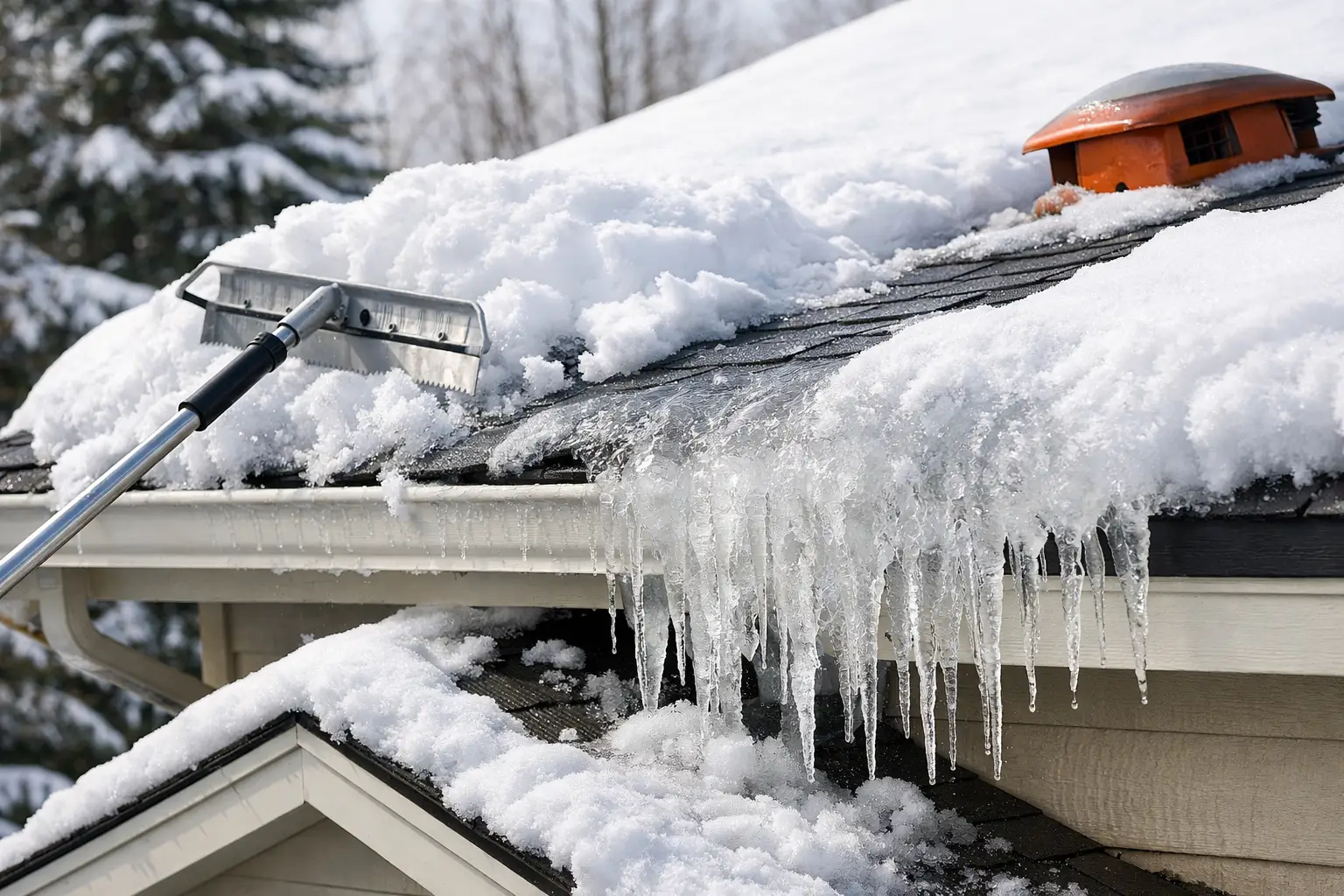
An ice dam forms when snow on the upper portion of a roof melts, runs down toward the colder roof edge, and refreezes. The ridge of ice at the eave blocks additional meltwater from draining off the roof. That water can then pool behind the ice and work its way under shingles.
The visible ice is only part of the issue. Water may travel farther than expected before it appears indoors, which is why a ceiling stain does not always sit directly below the roof leak. By the time water reaches drywall, insulation or roof decking may already be wet.
A properly installed roof system includes underlayment and ice-and-water protection at vulnerable roof edges. Those materials provide an important backup layer, but they are not a substitute for correcting major attic heat loss or poor ventilation. Good materials matter most when they are paired with code-compliant installation and the right conditions beneath the roof deck.
Ice dam roof damage prevention begins in the attic
A roof should stay as uniformly cold as possible during winter. That does not mean the attic must be freezing. It means warm household air should not be escaping into the attic and heating isolated sections of the roof deck.
Common sources of heat and moisture include gaps around plumbing stacks, recessed lights, attic hatches, bathroom fan penetrations, chimney framing, and poorly sealed ductwork. Warm air rises through these openings, melts snow above the living space, and adds moisture to the attic. When that meltwater reaches the colder overhang, it freezes.
Insulation slows heat transfer, while air sealing stops warm air from bypassing the insulation entirely. Both are necessary. Adding more insulation over unsealed gaps can help, but it will not address the full problem.
Ventilation is the other part of the equation. A balanced system generally allows air to enter at the soffits and exit near the ridge, carrying away excess heat and moisture. Ventilation details depend on the roof design, available intake openings, and local building requirements. A roof with blocked soffit vents, inadequate intake, or disconnected bathroom exhaust may not dry and regulate temperature as intended.
If you see frost on attic framing, damp insulation, mildew-like staining, or a strong musty smell, schedule an inspection. Those signs can point to moisture movement that contributes to ice dams and can also shorten the life of a roof system.
Keep gutters and roof edges ready for winter
Gutters do not cause every ice dam, but clogged or damaged gutters can make winter drainage worse. Leaves, shingle grit, and debris hold water at the roof edge. When temperatures drop, that trapped water freezes and builds on itself.
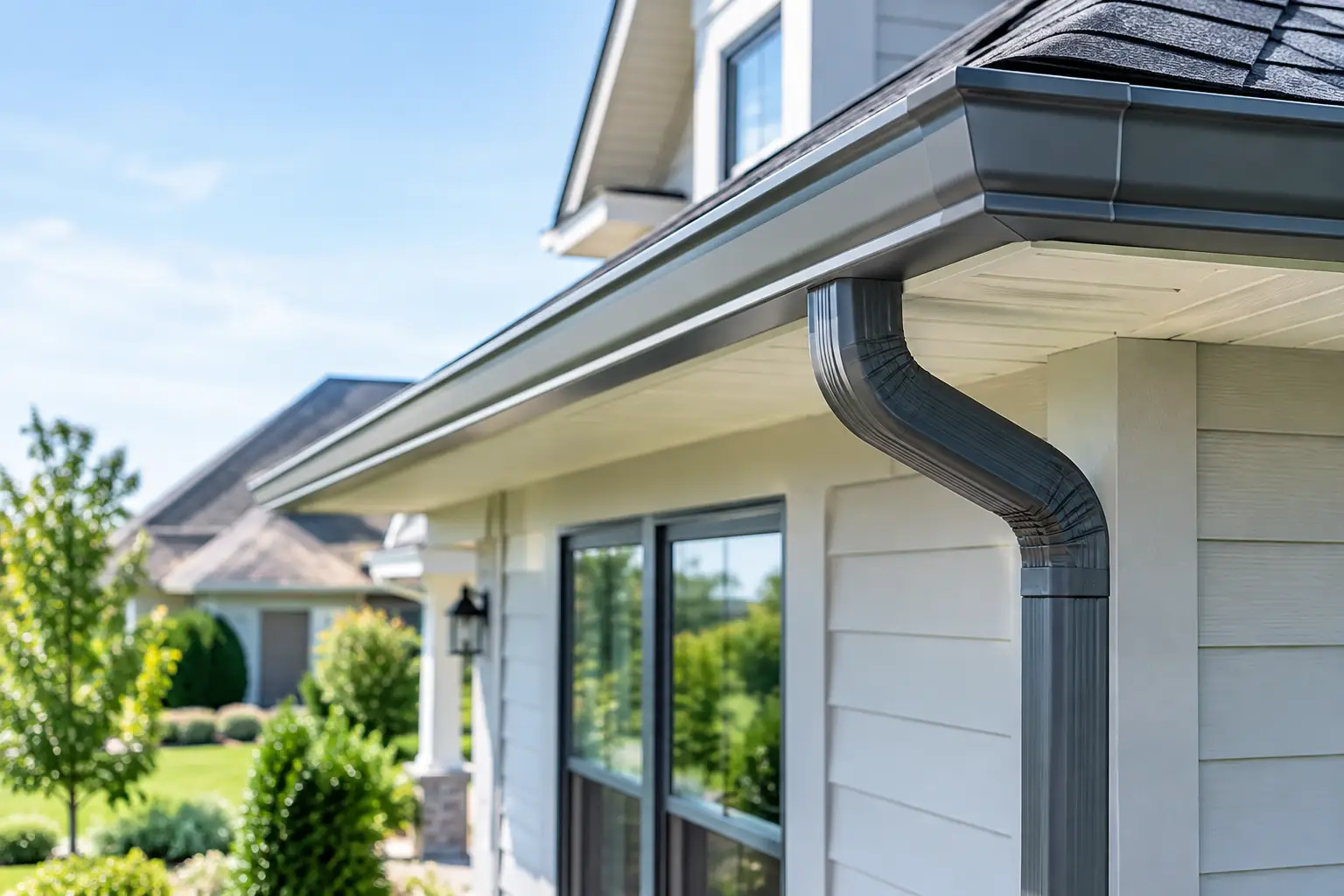
Before the first lasting snowfall, clean the gutters and make sure downspouts discharge away from the foundation. Look for loose hangers, sagging sections, seams that leak, and downspouts that empty onto walkways or driveways where refreezing creates a safety hazard. Seamless aluminum gutters with the right pitch and secure attachment give water a clearer path out when temperatures rise above freezing.
Gutter guards can reduce debris buildup, but they are not a cure for ice dams. In some conditions, snow and ice can still bridge over a guard. Treat guards as a maintenance tool, not a replacement for attic improvements or proper roof-edge protection.
Manage snow carefully without damaging shingles
Removing excess snow from the lower portion of a roof can reduce the amount of meltwater feeding an existing ice dam. A roof rake with a long handle lets you work from the ground, which is far safer than climbing onto an icy roof.
Use the rake gently and leave a thin layer of snow over the shingles. Scraping down to the shingle surface can remove protective granules or catch the edge of a shingle. Never use a hammer, axe, chisel, or shovel to break ice off a roof. Those shortcuts can crack shingles, puncture underlayment, bend gutters, and turn a winter maintenance issue into a repair claim.
Be equally cautious with de-icing products. Rock salt can damage roofing materials, metal components, landscaping, and concrete. Calcium chloride products are sometimes placed in fabric tubes across an ice dam to create narrow drainage channels, but this is a temporary measure and must be used carefully. It does not solve the underlying temperature problem, and falling ice or runoff can still be hazardous.
If the dam is thick, water is entering the home, or the roof is steep, call a qualified professional. Steam removal can be appropriate in serious situations because it removes ice without striking the roofing materials. It should be handled by an insured contractor using the right equipment and safety procedures.
Know when the roof itself needs attention
An ice dam does not automatically mean you need a new roof. A relatively new roof can develop one if attic conditions are poor, while an older roof may remain dry if the home is well insulated and ventilated. Still, recurring ice dams are a reason to look closely at the roof system.
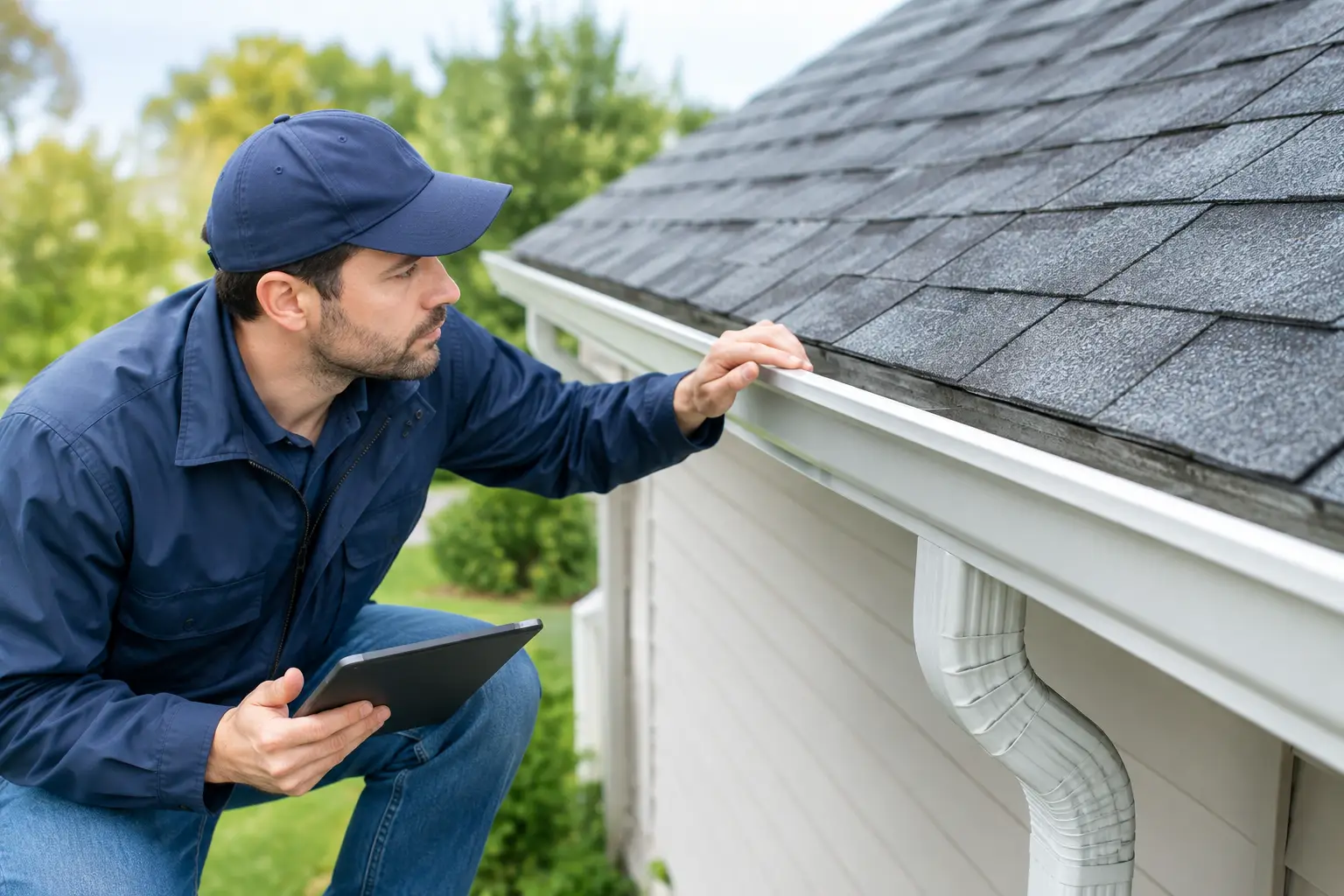
A professional inspection should assess more than the shingles you can see from the driveway. The scope should include flashing, roof valleys, penetrations, attic ventilation, roof decking where accessible, gutter condition, and evidence of prior water entry. Ask for clear documentation of what was found and what work is actually recommended.
When replacement is warranted, the details at the eaves matter. Ice-and-water barrier placement, flashing, ventilation components, and shingle installation all affect how a roof performs through Michigan freeze-thaw cycles. Premium architectural shingles can offer strong wind and weather performance, but the system is only as dependable as the installation underneath it.
Guthix Roofing approaches this work with itemized estimates, licensed and insured local crews, and written warranty protection, so homeowners can see the recommended scope before making a decision. That clarity matters when an ice dam has exposed a larger issue and you need to separate necessary repairs from optional upgrades.
A practical winter checklist for homeowners
The best time to prevent ice damage is before snow starts accumulating. In late fall, clear gutters, confirm downspouts are secure, and check that bathroom fans vent outdoors rather than into the attic. After the first major snow, inspect the roof from the ground for uneven melt patterns, thick icicles, and snow disappearing quickly over one section of the house.
During winter, watch for new ceiling stains, peeling paint near exterior walls, damp spots around windows, or unusual attic frost. Do not ignore a small stain just because it dries after a thaw. Water may have entered and stopped temporarily, while moisture remains trapped in insulation or wood.
For homes with recurring problems, start with an attic and roof assessment rather than guessing. The right solution may be air sealing and insulation. It may be restoring soffit intake and ridge exhaust. It may involve correcting a roof detail during replacement. Often, it is a combination of smaller corrections that stops a much larger damage cycle.
A winter roof should shed water when conditions permit, not hold it at the eaves. Addressing the warning signs early gives you more options, protects the inside of your home, and helps you plan repairs on your terms instead of during an emergency thaw.
Need this done on your Downriver home?
Guthix Roofing is based in Wyandotte and serves Downriver and Wayne County. See roof replacement from a licensed local roofer, or get an instant satellite-measured price — no name or phone needed to see the number.