A Michigan roof has to do more than look good from the curb. It has to manage snow loads, freeze-thaw cycles, wind-driven rain, spring storms, summer heat, and long stretches of moisture that can expose small installation mistakes. This Michigan roofing guide explains what metro Detroit homeowners should look for before replacing a roof, how to compare proposals, and where gutters fit into the decision.
A roof replacement is a major purchase, but it should not feel like a mystery. The right contractor should be able to explain what is being installed, why it belongs on your home, what is included in the price, and how the work will be protected from start to finish.
Start With the Real Reason for Replacement
Not every roof needs replacement at the first sign of wear. A few missing shingles after a storm, a loose flashing detail, or a small localized leak may be repairable. The question is whether the problem is isolated or whether it points to a roof system approaching the end of its useful life.
Warning signs worth taking seriously include widespread granule loss, curled or cracked shingles, repeated leaks, dark staining on ceilings, soft decking, damaged flashing, and shingles that are lifting in the wind. Moss or algae staining alone does not always mean the roof has failed, but it can hold moisture against the surface and make an inspection more important.
Age matters, too. Architectural asphalt shingles often provide a strong balance of durability, appearance, and value for Michigan homes, but their real service life depends on ventilation, installation quality, weather exposure, and maintenance. A roof that is technically still within its expected age range can still need replacement if water is getting beneath the shingles or storm damage has compromised the system.
Choose Materials for Michigan Weather, Not Just Color
For most homes in southeast Michigan, premium architectural asphalt shingles are a practical choice. They are designed with a dimensional appearance, stronger construction than basic three-tab shingles, and broad color options that work with brick, siding, and trim.
An architectural shingle system should be considered as a complete assembly, not simply a field of shingles. The parts beneath and around the shingles do much of the work when rain, ice, and wind arrive. A properly specified system generally includes underlayment, ice and water protection in vulnerable areas, starter shingles, ridge components, flashing, and adequate attic ventilation.
Ice and water protection matters
Michigan winters create a particular challenge at roof edges. Heat escaping from the home can melt snow higher on the roof, while cold eaves refreeze that water. This can create an ice dam that forces water back under shingles. Ice and water protection is designed to add a critical layer of defense in these areas.
It is not a substitute for ventilation, insulation, or proper drainage. It is one part of a roof system that should be designed for local conditions and installed according to applicable building requirements.
Ventilation is a performance issue
A hot, poorly ventilated attic can shorten shingle life and contribute to moisture problems. In winter, excess attic moisture can condense on cold surfaces and create conditions that affect framing, insulation, and roof decking.
The right ventilation approach depends on the roof shape, existing intake openings, ridge configuration, and attic layout. Be cautious of anyone who promises a one-size-fits-all ventilation solution without assessing the home. A good proposal should explain what will be changed, if anything, and why.
Get an Inspection Before You Decide
A professional roof inspection should look beyond the visible shingle surface. The inspection may identify soft or deteriorated decking, failing pipe boots, damaged chimney flashing, poor ventilation, gutter issues, or areas where water has been running behind the fascia.
This is especially valuable after a major wind or hail event. Storm damage is not always obvious from the ground, and homeowners should avoid climbing onto a roof to investigate it themselves. Documentation from an inspection gives you a better basis for deciding whether repair, replacement, or an insurance conversation makes sense.
An inspection should not turn into a pressure-filled sales appointment. You deserve clear findings, straightforward options, and time to review the scope. If a contractor cannot explain the condition of your roof in plain language, that is a reason to pause.
Compare Roofing Estimates Line by Line
The lowest price is not automatically the best value, and the highest price is not automatically the best roof. The useful comparison is between documented scopes that describe the same work.
Look for an itemized estimate that identifies the shingle product, underlayment, ice and water protection, flashing work, ventilation components, disposal, permits when required, and cleanup. It should also state whether the price includes replacing damaged decking if discovered, or whether decking is billed separately with a clear unit cost.
Ask how many existing layers will be removed and whether a full tear-off is planned. Installing new shingles over old layers can reduce upfront cost in some situations, but it can hide decking conditions, add weight, and limit the installer’s ability to correct problems underneath. Local code requirements and the condition of the current roof both affect that decision.
A transparent estimate also addresses change orders. Some discoveries cannot be confirmed until old roofing is removed, particularly concealed deck damage. That does not justify vague pricing. The contractor should explain what could change, how it will be documented, and when you will be notified.
Questions that protect your budget
Before signing, confirm that the contractor is licensed and insured, uses local code-compliant installation practices, and provides written workmanship and manufacturer warranty information. Ask who will manage the job, how property protection and cleanup are handled, and what happens if weather interrupts the installation.
You should also ask whether the estimate includes replacing pipe boots, flashing where needed, and ridge ventilation components. These details are easy to overlook, but they are common sources of future leaks when handled poorly.
Do Not Treat Gutters as an Afterthought
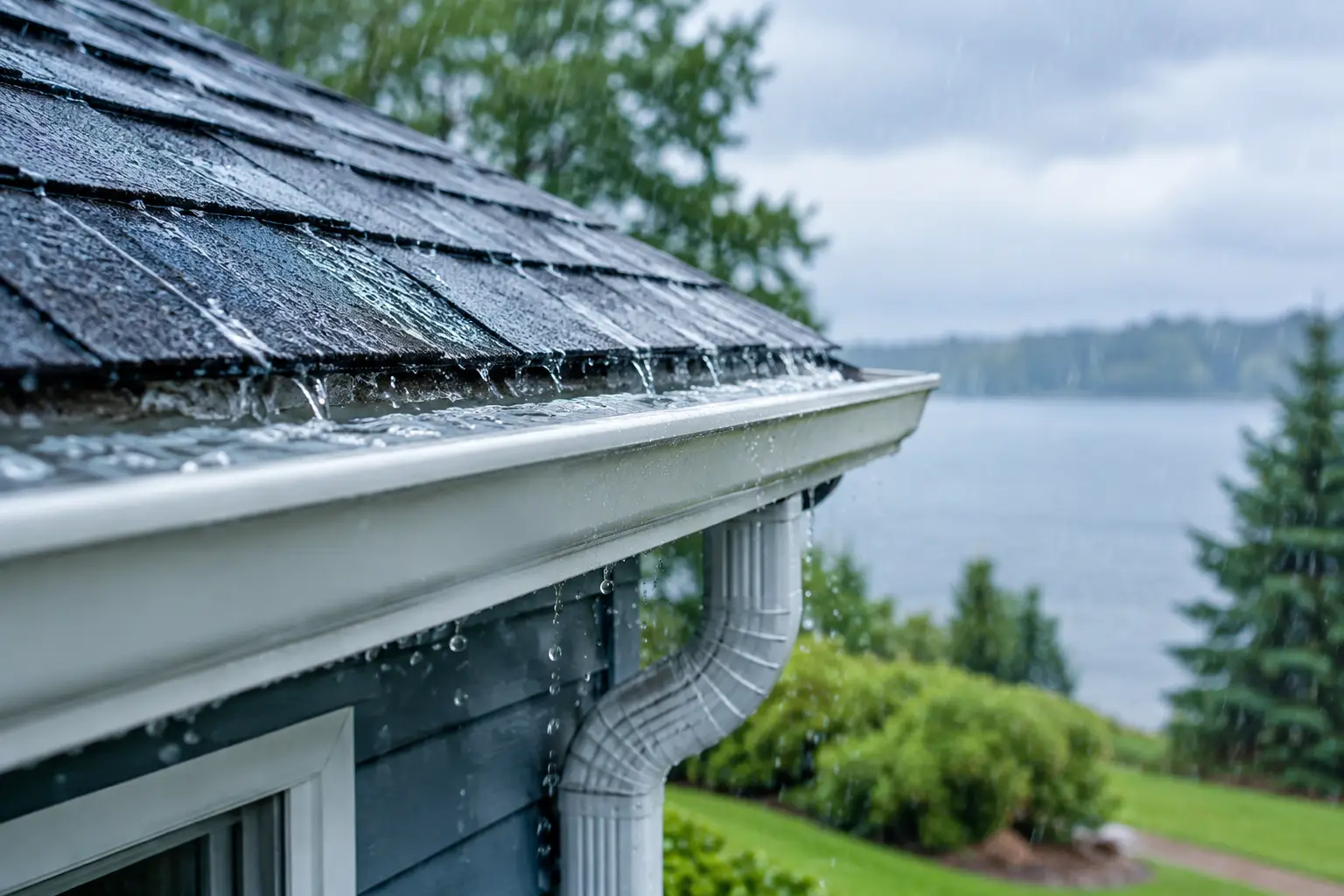
A new roof cannot perform at its best if water has nowhere reliable to go after it leaves the roof edge. Gutters and downspouts direct runoff away from the foundation, protect landscaping, and help reduce splashback against siding and masonry.
If your gutters sag, overflow, pull away from the fascia, or show repeated leaks at seams, replacement may make sense alongside the roof project. Seamless aluminum gutters formed on-site are custom fit to the home, reducing the number of joints where leaks commonly develop.
Gutter sizing and downspout placement should reflect the roof’s drainage pattern. A short gutter run under a small porch roof has different needs than a long run collecting water from multiple roof planes. The goal is controlled water movement, not simply hanging new metal at the edge.
Know What Installation Day Should Look Like
Most standard residential roof replacements can be completed quickly when weather cooperates, but timeline depends on roof size, pitch, layers, deck repairs, and material availability. The process should be organized before the crew arrives.
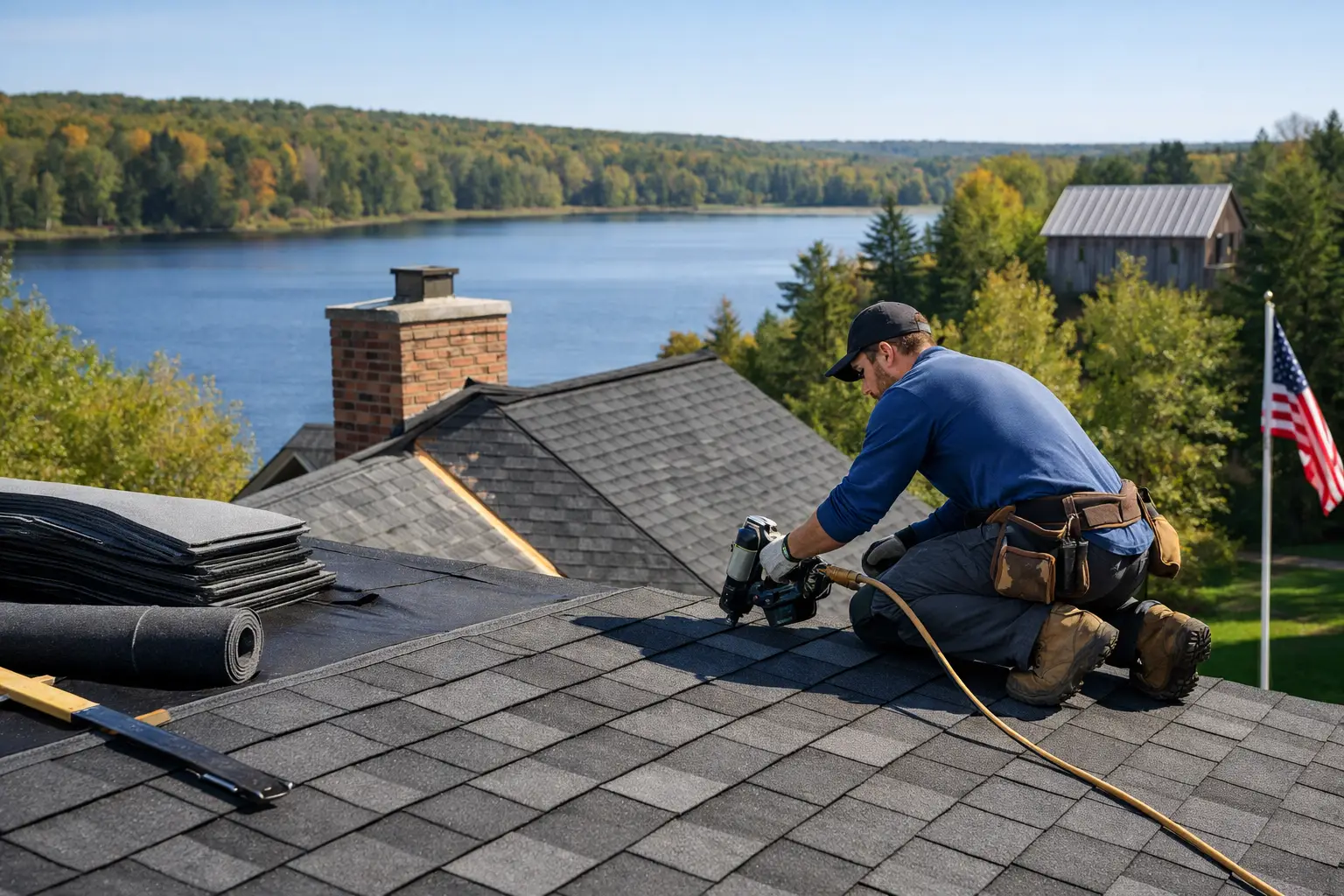
Expect the work area to be protected, old material to be removed, and the roof deck to be inspected before new components are installed. A careful crew will address deck concerns, install the specified protective layers, replace shingles and roof details, and complete a cleanup that includes debris collection around the home.
Homeowners can help by moving vehicles from the driveway, protecting fragile items in the attic or garage, and keeping pets indoors during active work. Roofing is noisy, and vibration can occur while old materials are removed. A clear point of contact makes the day easier if questions arise.
Read the Warranty, Not Just the Promise
A warranty is valuable when you understand what it covers. Manufacturer coverage generally relates to material defects, while workmanship coverage relates to installation. They are not the same, and one does not replace the other.
Read the written terms for coverage length, registration requirements, exclusions, transferability, and the process for making a claim. Damage from poor maintenance, improper ventilation, storm events, or conditions outside the warranty terms may not be covered. A contractor who explains those limits is giving you useful information, not weakening the offer.
For homeowners who want a clear path from inspection to final cleanup, Guthix Roofing provides satellite-measured pricing, itemized estimates, licensed and insured installation, and written warranty information before the work begins.
A roof replacement should leave you with more than new shingles. It should leave you knowing exactly what protects your home, where your money went, and who is accountable if you need help later.
Need this done on your Downriver home?
Guthix Roofing is based in Wyandotte and serves Downriver and Wayne County. See roof replacement from a licensed local roofer, or get an instant satellite-measured price in about a minute — just your name and mobile, no phone call.