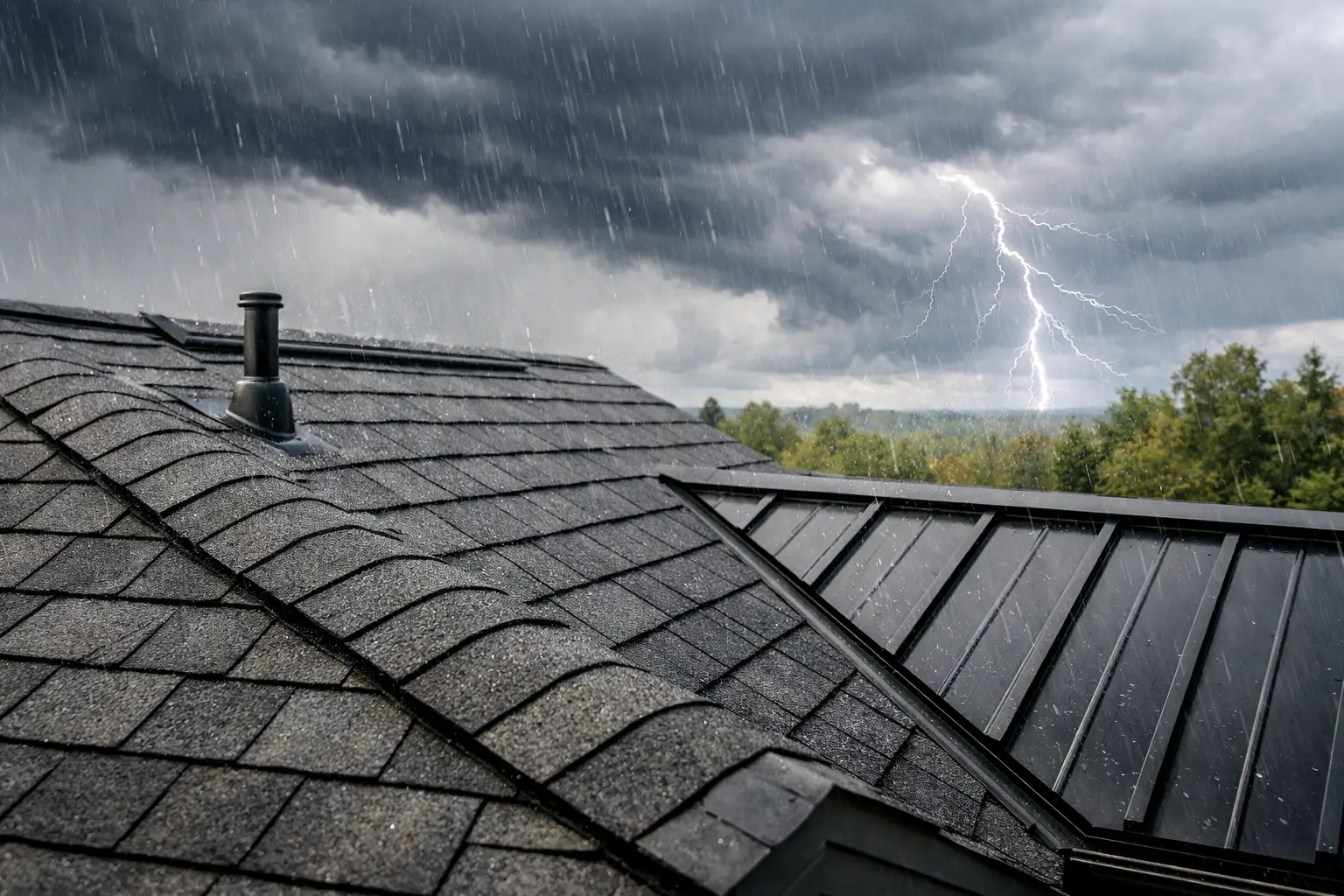
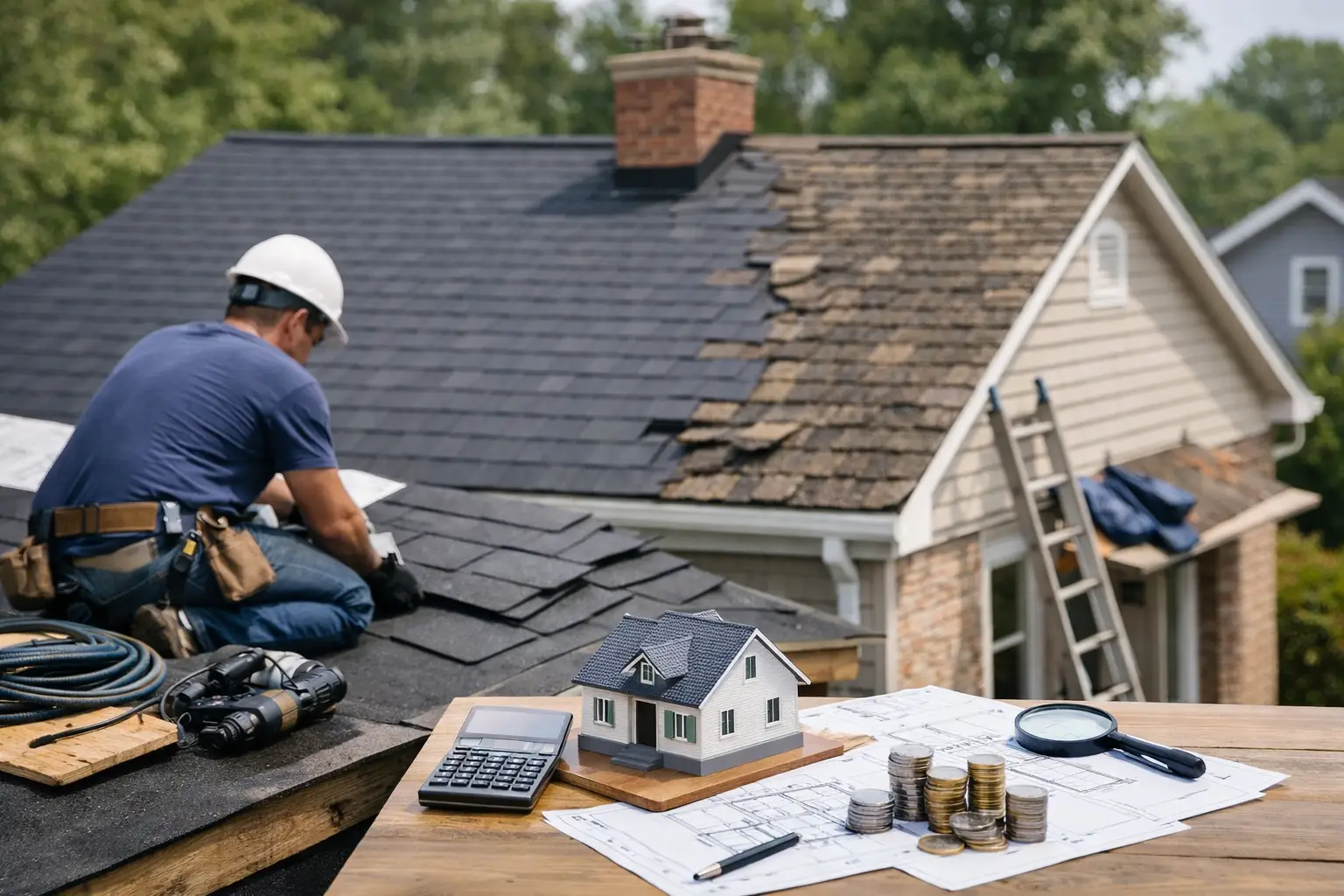
A buyer standing in your driveway may form an opinion about the house before they ever see the kitchen. Missing shingles, dark roof streaks, sagging gutters, or a roof that looks overdue can turn into an immediate question: “What else has been neglected?” That is why deciding whether to replace roof before selling house is about more than repair cost. It is a pricing, timing, and buyer-confidence decision.
A new roof is not automatically the right move for every seller. If your roof is sound and has meaningful life left, replacement may not produce a dollar-for-dollar increase in your sale price. But if its condition is likely to show up in an inspection, disrupt financing, or invite low offers, handling it before listing can make the sale simpler and more predictable.
Should You Replace a Roof Before Selling a House?
Start with the roof’s actual condition, not its age alone. Architectural asphalt shingles often have a long service life, but Michigan winters, wind, ice dams, ventilation issues, and storm damage can shorten that timeline. A 12-year-old roof with proper installation and clear drainage may be in better shape than an 8-year-old roof with lifting shingles and recurring leaks.
Replacement is often worth serious consideration when the roof has active leaks, widespread shingle loss, visible sagging, damaged flashing, or signs that it is near the end of its useful life. These issues are difficult to hide and are likely to be documented by a buyer’s inspector. Even a buyer who loves the home may ask for a large concession because roofing work feels uncertain when they do not control the contractor, material, or final bill.
A roof that is simply older but functioning properly is a different situation. If an inspection confirms it is watertight, well-installed, and has remaining service life, a targeted repair and clear documentation may be enough. The best answer is rarely “always replace” or “never replace.” It depends on the roof, the local market, your listing timeline, and how much uncertainty you are willing to carry into negotiations.
Why a Worn Roof Changes the Sale Conversation
Most buyers do not expect a resale home to be perfect. They do expect major systems to be safe, functional, and reasonably predictable. A roof that looks questionable raises concerns about water damage, attic mold, insulation, drywall repairs, and insurance eligibility.
That concern can show up in several ways. Buyers may reduce their offer before submitting it. They may include a broad inspection contingency. After the inspection, they may request a credit that is larger than the actual replacement cost because they are accounting for inconvenience and risk. In some cases, a lender or insurer may require roof work before closing, putting a transaction under time pressure.
A completed replacement removes many of those unknowns. It also gives your agent a clear feature to market: a newly installed roof, documented scope, transferable warranty details where applicable, and a known installation date. That does not mean every buyer will pay the full cost back in the purchase price. It means fewer buyers will feel they need to discount the home for a major upcoming expense.
When Replacement Usually Makes Financial Sense
Replacing before listing is often the cleaner choice when you are selling a home with visible roof damage or a roof near failure. It can also make sense when comparable homes in your price range are updated and move-in ready. Buyers shopping those homes may not want to take on a large exterior project immediately after closing.
It is particularly useful when the roof condition could limit your pool of buyers. A cash buyer may accept a worn roof in exchange for a lower price. A financed buyer may have less flexibility, especially if the appraisal, lender, or insurance company flags the condition. A new roof can preserve more options rather than forcing you into negotiations with only buyers comfortable taking on repairs.
There is also a practical timing benefit. Selling a home already involves showings, appraisals, inspection deadlines, moving plans, and closing paperwork. Scheduling a roof replacement on your own timeline is generally easier than trying to resolve it after an inspection report arrives. You can compare written estimates, choose materials, and make decisions without a closing date hanging over every step.
When a Repair, Credit, or Price Adjustment May Be Better
Replacement may not be the smartest move if the roof has a limited, isolated issue. A few damaged shingles, a minor flashing repair, or a small leak with a confirmed cause may be repairable. In that case, paying for a full replacement could be more work and expense than the sale requires.
A seller credit or price adjustment can also be reasonable when the home is already priced for its condition, the buyer wants to choose their own materials, or the local market strongly favors sellers. Some buyers prefer this arrangement because they can select the shingle color and contractor after closing.
The downside is that credits do not eliminate uncertainty. A buyer may still worry that the final cost will exceed the credit. A modest adjustment can turn into a larger request once the inspection report is in hand. If you choose this route, disclose known conditions clearly and keep records of any repairs, inspections, or prior roof work. Documentation supports a more straightforward negotiation.
Get the Information Before You Set the Listing Price
Before deciding how to proceed, schedule a professional roof inspection and ask for a written assessment. You need more than a verbal opinion that the roof “looks okay.” Ask what is damaged, whether repairs are realistic, what remaining life is expected, and whether there are concerns with flashing, ventilation, decking, gutters, or drainage.
Then get an itemized replacement estimate if replacement is recommended. A useful estimate identifies the roofing system, tear-off and disposal, underlayment, flashing work, ventilation, permits when required, cleanup, and warranty coverage. A vague total makes it difficult to compare bids or explain the scope to a buyer.
For metro Detroit sellers, material selection should reflect local weather rather than just curb appeal. Premium architectural shingles, such as Owens Corning Duration® products, are designed for a dimensional look and dependable wind performance when installed as part of a complete system. The exact product, color, and warranty terms should be reviewed in writing before work begins.
Do Not Ignore Gutters and Drainage
A new roof can look incomplete if failing gutters are still pulling away from the fascia or spilling water near the foundation. Gutters are not always part of the roof replacement decision, but they affect how the roof system performs. Water needs a clear path from the roof edge to a properly placed downspout and away from the home.
If gutters are undersized, damaged, or poorly pitched, replacing them at the same time may prevent a buyer from seeing another major exterior project waiting for them. Seamless aluminum gutters formed for the home’s dimensions can provide a cleaner finish and reduce unnecessary joints. Again, the decision should be based on condition, not on adding work for its own sake.
Plan the Project Around Your Listing Date
If you decide to replace, do it before professional listing photos and before your first open house. A new roof is most useful when it is visible in marketing, supported by paperwork, and no longer a possible inspection problem.
Allow time for material selection, weather delays, permit requirements where applicable, installation, cleanup, and final documentation. Roofing projects are often completed quickly, but no responsible contractor should promise a date without accounting for weather and site conditions. In southeast Michigan, planning ahead is especially helpful during periods of frequent rain, snow, or high winds.
Choose a contractor based on scope and accountability, not just the lowest number. Confirm that the crew is licensed and insured, the estimate is itemized, the property will be protected during work, and the warranty terms are written down. Guthix Roofing provides homeowners with satellite-measured pricing, clear estimates, and local installation designed to remove the guesswork before the project starts.
A Better Way to Make the Decision
The clearest question is not, “Will a new roof pay for itself exactly?” It is, “What will this roof condition cost me if I leave it unresolved?” That cost may appear as a lower offer, a delayed closing, buyer anxiety, inspection negotiations, or a last-minute repair completed under pressure.
If the roof is failing or likely to become a major objection, replacing it before listing can protect your timeline and make the home easier to sell with confidence. If the roof is serviceable, documented repairs and honest pricing may be the better path. Get a clear inspection, compare the options in writing, and make the choice that creates the fewest surprises for you and the buyer.
Need this done on your Downriver home?
Guthix Roofing is based in Wyandotte and serves Downriver and Wayne County. See roof replacement from a licensed local roofer, or get an instant satellite-measured price — no name or phone needed to see the number.