A roof rarely fails all at once. More often, small weaknesses around flashing, ventilation, shingle wear, or gutters allow water to become a larger and more expensive problem. The right roof upgrades address those weak points as a system, protecting your home through Michigan snow, wind, spring rain, and summer heat without paying for features that do not fit your house.
For many homeowners, the best time to make these decisions is when a replacement is already on the table. Labor is already scheduled, access is already in place, and critical components can be installed correctly beneath the finished shingles. That does not mean every available add-on is worthwhile. A clear estimate should explain what each upgrade does, why it is recommended for your home, and what it costs.
Roof Upgrades Worth Making During Replacement
A new roof is more than the shingles you see from the street. The visible layer matters for curb appeal and weather resistance, but the performance of the entire roof depends on the materials and workmanship underneath it.
Architectural shingles for better long-term performance
If your home still has basic three-tab shingles, architectural asphalt shingles are usually the most meaningful visible upgrade. They are thicker, create more dimension, and generally offer better resistance to wind and everyday wear than entry-level options. They also give homeowners more color choices, which can make a substantial difference when the roof covers a large portion of the home’s exterior.
Premium architectural shingles, including Owens Corning Duration® products, are designed for dependable performance in variable weather. Still, shingle selection should not be based on appearance alone. Ask about the manufacturer warranty, wind rating, the matching accessory components, and whether the installer follows the manufacturer’s installation requirements. A strong shingle installed over a weak system is not a strong roof.
Ice and water protection where it matters most
Metro Detroit winters make ice dam protection a practical consideration, not a luxury detail. Ice and water barrier is a self-adhering membrane installed beneath the shingles in vulnerable areas, typically along eaves and valleys and around penetrations as required by local code.
When snow melts, then refreezes at a cold roof edge, water can back up beneath shingles. The membrane provides a secondary layer of protection where that risk is greatest. The exact coverage needed depends on roof geometry, overhang depth, insulation, ventilation, and code requirements. A contractor should be able to show you where it will be installed and why.
Proper flashing at every transition
Most roof leaks do not begin in the middle of a shingle field. They begin where the roof meets something else: a chimney, wall, skylight, vent pipe, valley, or sidewall. That is why flashing details deserve more attention than they usually receive.
Replacing damaged or poorly installed flashing is one of the most valuable upgrades you can make. Step flashing at walls, properly integrated chimney flashing, and correctly sealed pipe boots help direct water onto the roof surface and into the gutter system. If your estimate only says “flashing as needed,” ask for clarification. The scope should identify what is being replaced, reused, or repaired.
Ridge ventilation balanced with intake ventilation
Ventilation is often discussed as an energy-saving feature, but its primary roof benefit is moisture and heat management in the attic. A well-designed system allows air to enter low at the roof edge through intake ventilation and leave high at the ridge. That airflow can help reduce excessive attic heat and moisture accumulation.
The key word is balanced. Adding ridge vent without enough intake ventilation may not solve the problem. Likewise, ventilation cannot correct major insulation gaps, bathroom fans venting into the attic, or existing mold. A qualified inspection should look at the full attic condition before promising a specific outcome.
New pipe boots and ventilation accessories
Small roof penetrations can cause outsized problems. Rubber pipe boots can crack over time, and old vents may be dented, corroded, or improperly sealed. Replacing these components during a full roof replacement is usually more sensible than leaving aging parts in place beneath brand-new shingles.
This is not an upgrade that transforms curb appeal, but it can prevent an avoidable service call later. It is also a good example of why itemized scopes matter. Homeowners should know whether accessory replacement is included rather than finding out after work begins.
Do Not Treat Gutters as a Separate Problem
A new roof directs water off the home efficiently. If the gutters are undersized, sagging, leaking at seams, or pitched incorrectly, that water can end up near the foundation instead of safely away from it.
Seamless aluminum gutters formed on-site are a practical companion to a roof replacement because they are made to fit the home rather than assembled from multiple pre-cut sections. Fewer seams can mean fewer common leak points. Proper hanger spacing, downspout placement, and drainage direction are just as important as the gutter material itself.
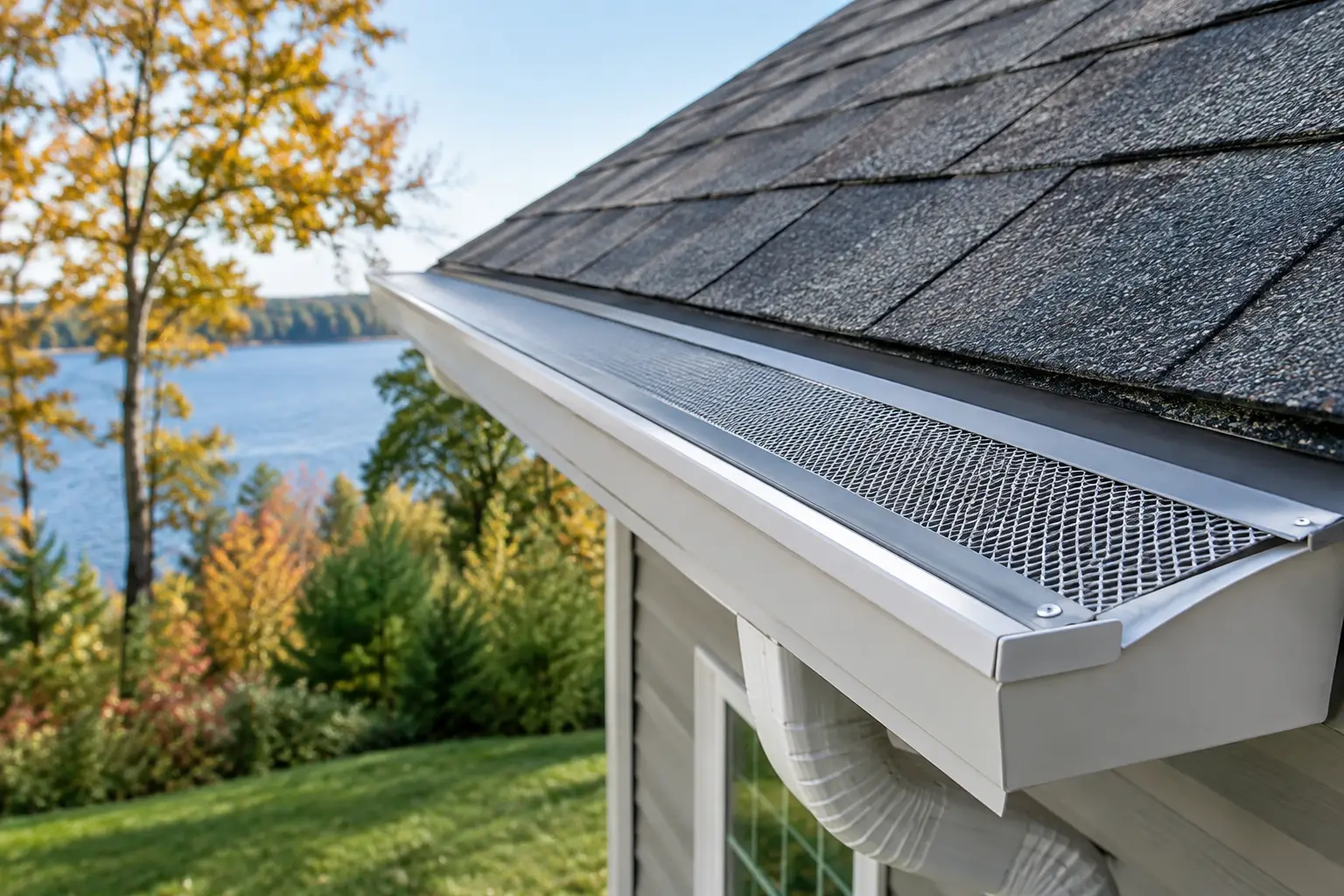
Gutter guards can make sense for homes with heavy tree cover, but they are not maintenance-free and they are not necessary for every property. The best choice depends on the type of debris around your home, roof pitch, existing gutter condition, and how accessible the system is for cleaning. A good contractor will explain the trade-off instead of presenting guards as an automatic requirement.
Upgrades That Depend on Your Home
Some options sound appealing but require a closer look before they are added to the scope.
Skylights, for example, bring in natural light but create another roof opening that must be flashed and maintained correctly. Replacing an older skylight while the roof is off can be smart if the unit is near the end of its life. Adding a brand-new skylight is a different decision that should account for room layout, attic framing, cost, and your comfort with long-term maintenance.
Impact-resistant shingles may be worth considering if your property has a history of storm damage or if your insurance carrier recognizes the rating. However, insurance discounts vary, and the added material cost may not make sense for every homeowner. Get the numbers before deciding.
Decking replacement is another case where the right answer depends on conditions. Rotten, delaminated, or structurally compromised decking must be replaced so the new roof can be installed safely and correctly. But because concealed decking conditions cannot always be confirmed until old shingles are removed, your contract should explain the per-sheet price for any necessary replacement before the project starts. That is transparency, not a surprise charge.
How to Compare Roof Upgrade Estimates
A low number is not useful if it leaves out the components that protect your home. When reviewing estimates, compare the scope line by line rather than comparing only the total at the bottom.
Look for the shingle product and color, underlayment type, ice and water barrier locations, flashing work, ventilation plan, pipe boot replacement, decking contingency pricing, cleanup process, permit responsibility, warranty terms, and proof of licensing and insurance. If one estimate includes a full system and another lists only shingles, they are not comparable projects.
You should also understand the process before signing. Ask when materials will arrive, how landscaping and driveways will be protected, how magnetic nail cleanup is handled, who supervises the crew, and when final payment is due. Clear answers before work begins are one of the best signs that the job will be managed well.
Plan Roof Upgrades Around the Right Priorities
Start with water management and structural protection. Flashing, underlayment, ventilation, sound decking, and gutters are the components that help prevent damage you may not see until it is serious. Then consider appearance, warranty coverage, and convenience features such as gutter guards or skylights.
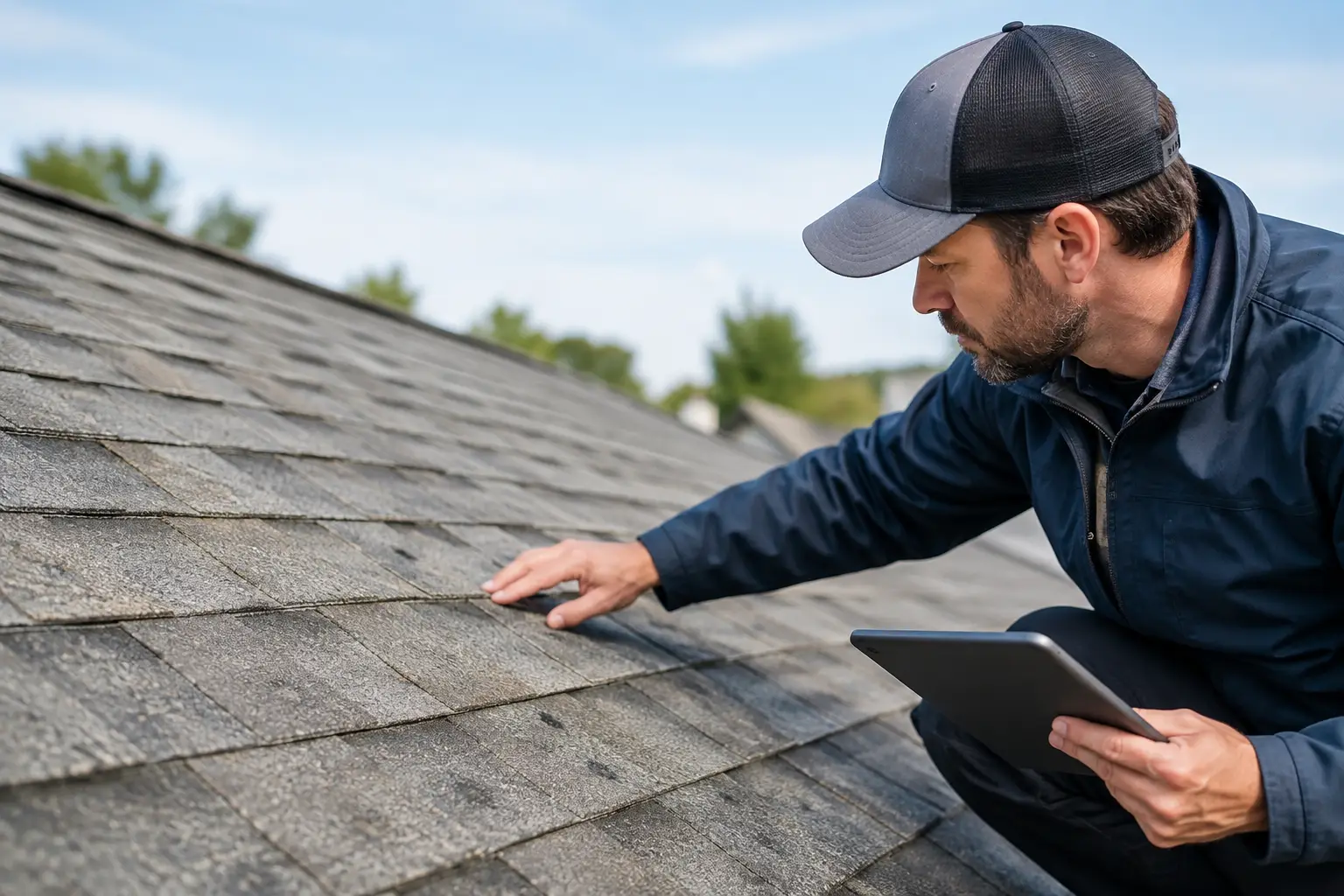
For southeast Michigan homeowners, a documented inspection and itemized estimate make these decisions easier. Guthix Roofing provides pricing in 60 seconds and clear scopes so homeowners can see what is included before committing to a replacement project.
The most valuable upgrade is not necessarily the most expensive one. It is the one that solves a real condition at your home, is installed to code, and is explained clearly enough that you know exactly what you are paying for.
Need this done on your Downriver home?
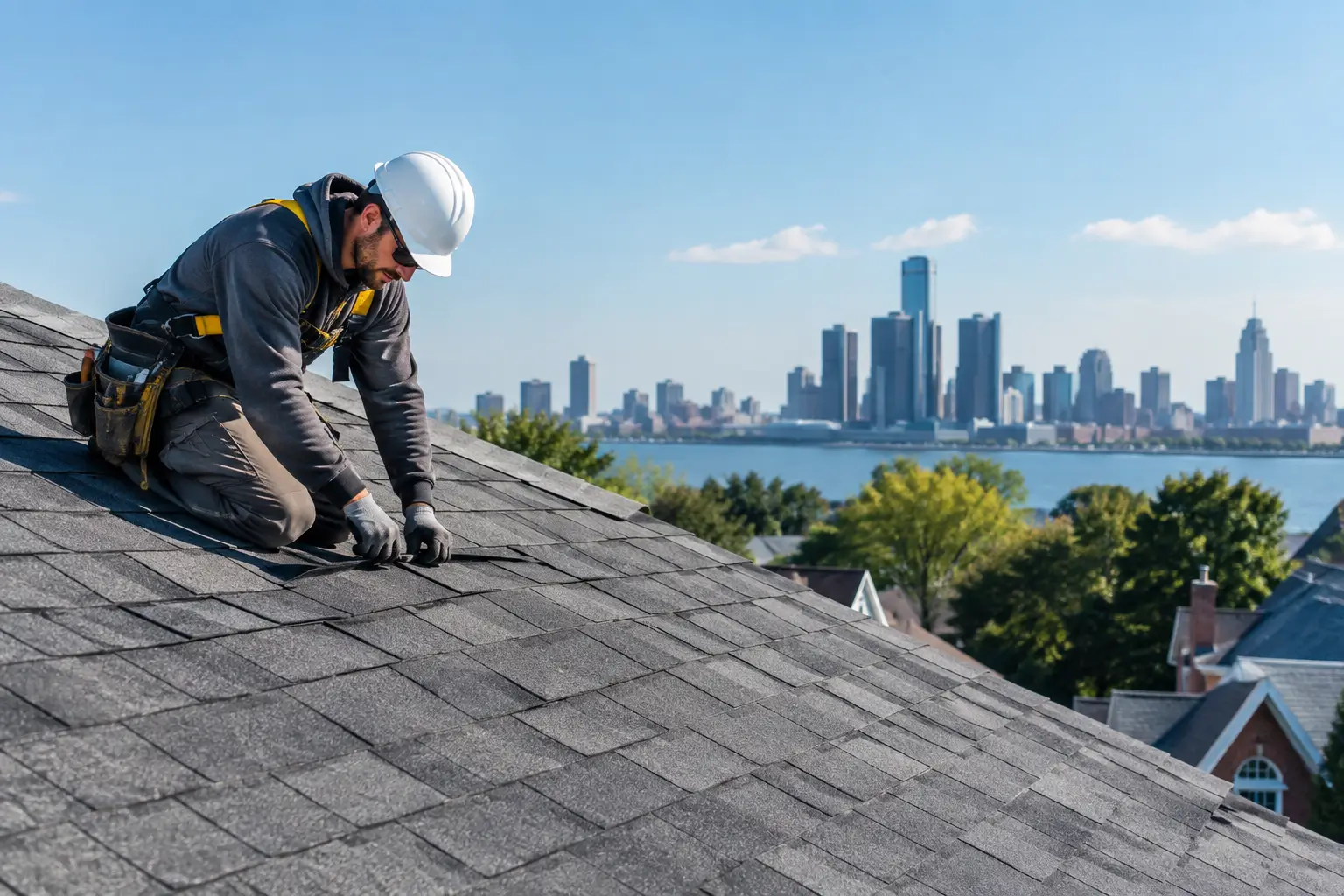
Guthix Roofing is based in Wyandotte and serves Downriver and Wayne County. See roof replacement from a licensed local roofer, or get an instant satellite-measured price — no name or phone needed to see the number.