
A roof replacement is too expensive to buy from a vague total at the bottom of a page. Clear roofing estimates give you a way to understand what is being replaced, how your home will be protected, and what could change the final price before work begins. That clarity matters even more in southeast Michigan, where ice, wind, heavy rain, and rapid temperature swings put real demands on a roof system.
The best estimate is not necessarily the lowest one. It is the one that lets you compare contractors fairly, identify exclusions early, and make a decision without a high-pressure sales visit. Here is what a homeowner should expect from a quote that is built for zero surprises.
What a Complete Roofing Estimate Should Show
A professional estimate starts with the size and shape of the roof. Contractors may measure in squares, with one roofing square equal to 100 square feet, but your proposal should translate that measurement into a clear scope of work. You should be able to see whether the price covers a full tear-off, the number of shingle layers being removed, installation of new materials, cleanup, and disposal.
The material section should name the product, not simply say “architectural shingles.” Architectural shingles vary by manufacturer, color, warranty coverage, wind rating, and installation requirements. If you are considering Owens Corning Duration® shingles, for example, the estimate should identify the shingle line and color along with the related system components.
A complete proposal also identifies the parts homeowners do not see once the job is finished. Those details often determine how well the roof performs over time. Look for written line items covering underlayment, ice and water protection, starter shingles, ridge cap shingles, ventilation, flashing, pipe boots, and drip edge where applicable.
This level of detail protects both sides. You know what you are paying for, and the installer has a documented plan for completing the work correctly.
Why the Lowest Quote Can Cost More Later
Two roofing estimates can be thousands of dollars apart without either contractor making a math error. The difference may come from materials, labor standards, insurance, warranty coverage, or work that has been left out of the scope.
A lower quote may assume that existing flashing will be reused, that ventilation does not need attention, or that old roof layers can stay in place. Those choices are not automatically wrong, but they should be discussed plainly. Reusing a component in good condition can make sense. Leaving a failing pipe boot or inadequate ventilation untouched simply because it was not listed can create a preventable repair later.
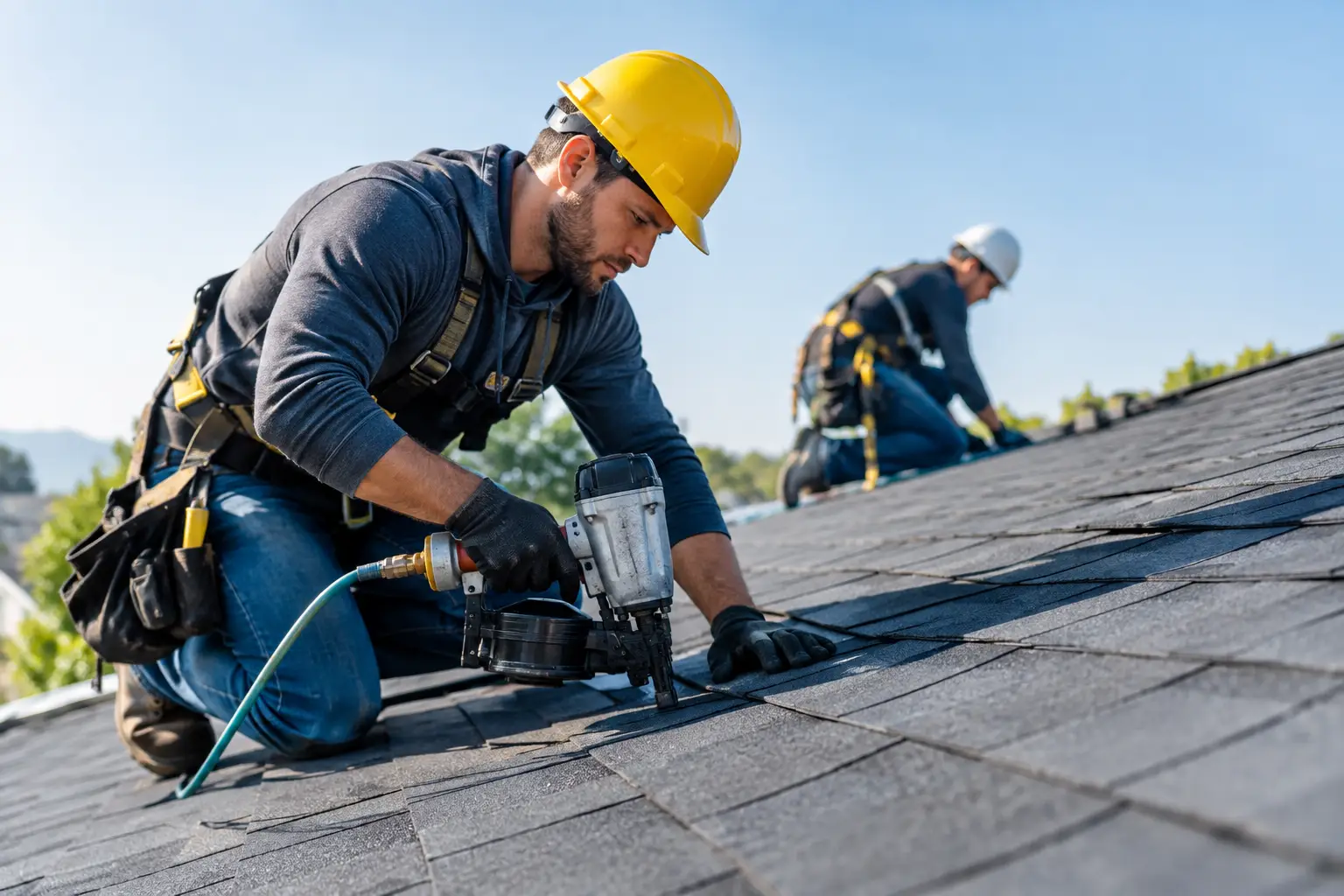
Price differences also reflect how a contractor operates. Licensed and insured crews, code-compliant installation, site protection, magnetic nail cleanup, and responsible debris removal have real costs. For a major exterior project, the goal is not to pay for extras you do not need. It is to avoid finding out after installation that essential work was never included.
The Line Items That Deserve a Closer Look
Some details are easy to overlook because they are not as visible as shingle color. Ask about them before signing, especially when comparing more than one proposal.
Tear-Off and Deck Inspection
Your estimate should state whether the existing roof will be removed and how many layers are included. A full tear-off allows the crew to inspect the roof deck, address damaged areas, and install the new system over a clean surface.
Decking repairs are often handled as a potential additional cost because no contractor can see every section of plywood or board decking until the old roofing is removed. That is reasonable, provided the estimate explains the unit price or process in advance. A quote that says nothing about deck damage can leave too much room for disagreement on installation day.
Ice Protection and Underlayment
Michigan roofs need more than shingles. Ice and water barrier is commonly installed along eaves and in other vulnerable areas based on roof design and local code requirements. It helps protect against water backup caused by ice dams.
Underlayment provides another protective layer beneath the shingles. Ask what type is included and where it will be used. The answer should be specific enough that you can compare one quote to another without guessing.
Flashing, Penetrations, and Ventilation
Leaks frequently develop around transitions: chimneys, walls, skylights, valleys, vents, and plumbing pipes. The estimate should explain whether flashing will be replaced, reused, or evaluated during the project. If a chimney needs masonry work or a skylight is near the end of its service life, that may be outside the roofing scope, but it should be called out.
Ventilation deserves the same attention. A roof needs balanced intake and exhaust ventilation to help manage attic heat and moisture. The right solution depends on the home’s existing soffit intake, attic layout, and roof design. Be cautious of a quote that promises a single ventilation product without evaluating whether the rest of the system supports it.
Cleanup, Property Protection, and Permits
A roof replacement is disruptive for a day or two, but the worksite should not feel unmanaged. Confirm how the contractor will protect landscaping, siding, driveways, and exterior features. The estimate should also say who handles debris removal and whether a dumpster or trailer will be used.
Permit requirements vary by municipality. If a permit is needed, the proposal should make clear who obtains it, whether the cost is included, and how final inspections are handled. Local code compliance is not a bonus feature. It is part of completing the job properly.
How to Compare Roofing Estimates Fairly
Start by placing proposals side by side and comparing scope before comparing totals. If one estimate includes a full tear-off, new flashing, ice barrier, ridge vent, and disposal while another lists only shingles and labor, the prices are not comparable.
Next, look at the material system. Confirm the shingle manufacturer and product line, then review the underlayment, starter, ridge cap, and ventilation components. A contractor should be willing to explain whether those parts are designed to work together and what warranty coverage applies.
Finally, review the protections behind the installation. Ask for proof of licensing and insurance, the workmanship warranty in writing, the manufacturer warranty terms, and a clear payment schedule. Avoid relying on verbal assurances for any item that matters to you. If a contractor says something is included, it should appear in the written estimate.
A useful question is: “What would cause this price to change?” The answer should be direct. Unforeseen deck damage, hidden structural concerns, or homeowner-requested upgrades are common reasons. Vague phrases such as “additional charges may apply” without an explanation are less reassuring.
Instant Pricing Is Useful, but Inspection Still Matters
Satellite measurements can provide a fast, practical starting price by estimating roof area, pitch, and complexity. For many homeowners, that means getting a budget range in about 60 seconds instead of waiting days for a sales appointment. It is a better way to begin the conversation than a broad, unsupported price range.
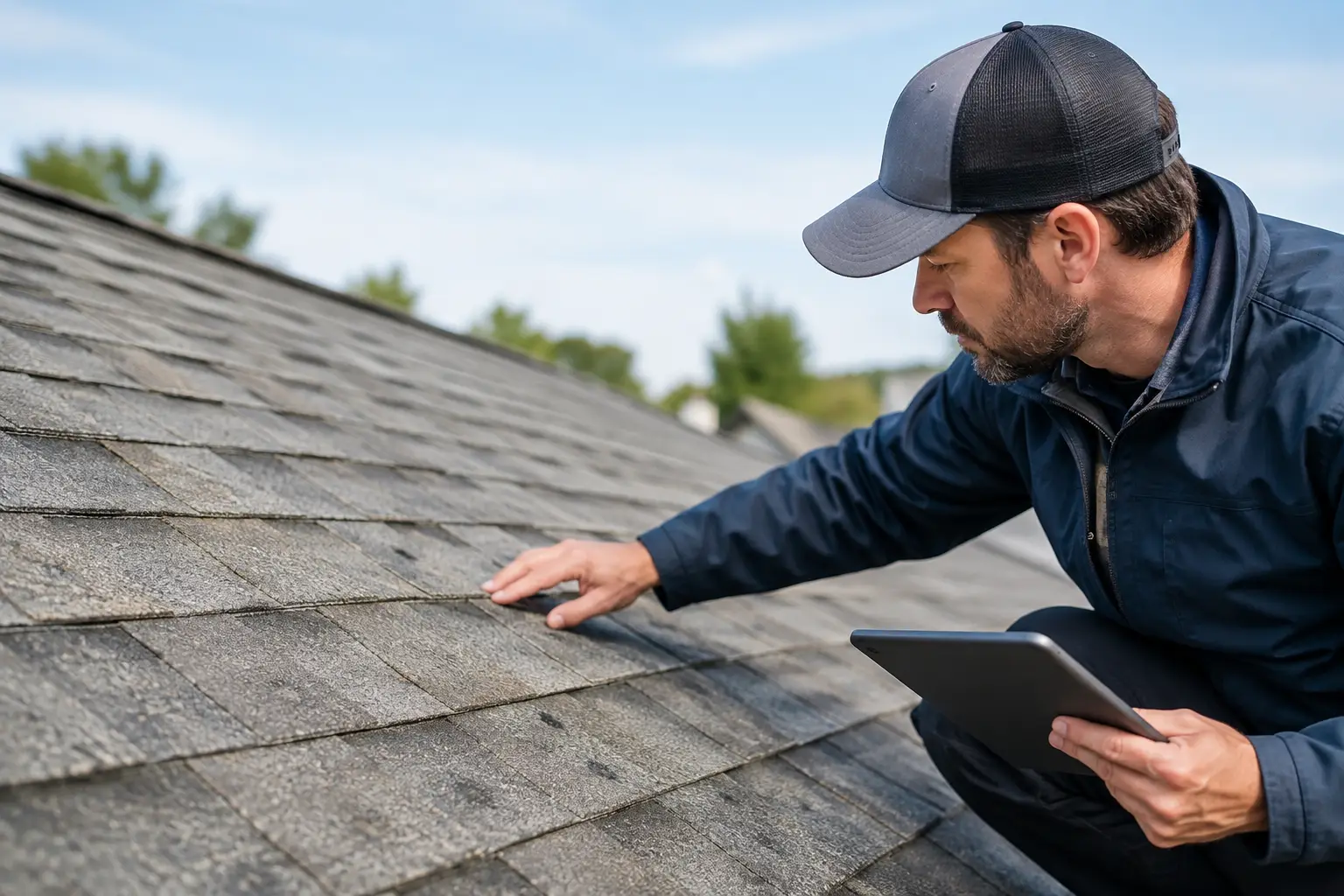
Still, an instant estimate is not a substitute for a qualified inspection. Satellite imagery cannot confirm soft decking, concealed flashing issues, attic ventilation conditions, or details around a chimney and skylights. The right process uses fast measurements for transparent initial pricing, then confirms the scope on site before installation.
That combination gives homeowners convenience without pretending that every roof can be priced perfectly from a screen. A trustworthy contractor explains what is known, what needs verification, and how any approved changes will be documented.
Questions to Ask Before You Approve a Quote
Before selecting a contractor, ask whether the estimate includes full removal of the current roof, which materials and colors are specified, and how damaged decking is priced if found. Ask how ventilation and flashing will be evaluated, who pulls permits when required, and what cleanup is included.
You should also ask when materials will be delivered, how long installation is expected to take, and how weather delays are handled. Most residential replacements can move quickly once scheduled, but rain, high winds, and material availability can affect timing. A realistic answer is more valuable than an aggressive promise.
Guthix Roofing builds estimates around documented scope, itemized pricing, and a written path from inspection to installation. That approach lets homeowners ask questions early, choose materials with confidence, and know what is happening at each stage of the project.
A good roof quote should make you feel more informed, not more pressured. When the scope is specific, the protections are written down, and possible extras are explained before work starts, you can choose the right roof for your home with confidence.
Need this done on your Downriver home?
Guthix Roofing is based in Wyandotte and serves Downriver and Wayne County. See roof replacement from a licensed local roofer, or get an instant satellite-measured price — no name or phone needed to see the number.