
A roofing installation is not just the day shingles go on your home. It is a complete system replacement that determines how well your roof handles Michigan snow, wind, rain, ice, and summer heat for years to come. The shingles matter, but the details underneath them matter just as much.
For homeowners, the goal is straightforward: a roof that is installed to code, priced clearly, backed by written protections, and completed without unnecessary disruption. Knowing what belongs in the scope helps you compare estimates honestly and avoid costly surprises after work begins.
Roofing Installation Starts Before Materials Arrive
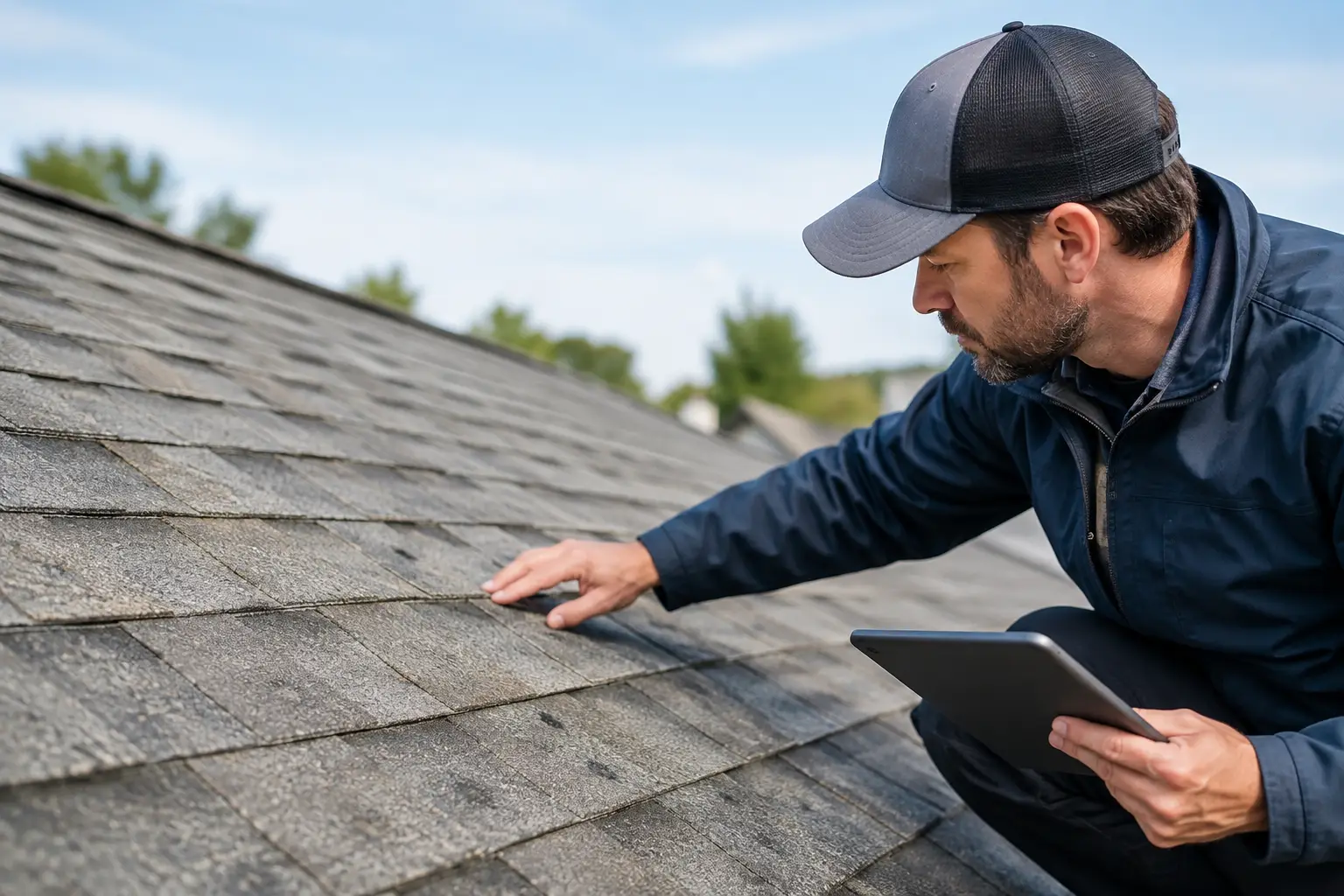
A reliable roof replacement begins with a clear assessment of the existing roof. That means checking the roof’s size, pitch, valleys, penetrations, ventilation, flashing, and visible signs of decking damage. Satellite measurements can provide a fast, accurate starting point for pricing, but an inspection confirms the conditions that affect the final scope.
A professional estimate should make the work easy to understand. It should identify the shingle system, underlayment, ice and water protection, flashing work, ventilation components, permit responsibilities when required, cleanup, and warranty coverage. If an estimate only gives a single large number with no meaningful detail, it is difficult to know what is included or what might later be treated as an extra.
Some roof conditions cannot be fully confirmed until the old materials are removed. Rotten plywood, hidden leaks around a chimney, or damaged fascia may only become visible during tear-off. That does not make a contractor untrustworthy. What matters is whether the contractor explains this possibility in advance, documents any findings, and provides clear pricing for authorized repairs rather than adding vague charges later.
The Layers of a Proper Roof System
Architectural shingles are the visible finish, but they are only one layer in a complete roofing system. Each component has a job, and skipping one can shorten the life of the entire roof.
The first concern is the roof deck. This wood surface must be sound, securely fastened, and dry enough to receive new materials. A new roof installed over compromised decking can develop uneven areas, loose fasteners, and future leaks. Any necessary deck repair should be shown to the homeowner and added to the work order clearly.
Next comes water protection. In southeast Michigan, ice and water barrier is especially important along eaves and in vulnerable areas such as valleys, around chimneys, and near skylights. When melting snow backs up behind ice at the roof edge, this membrane provides another line of defense against water reaching the deck.
Synthetic underlayment covers much of the remaining roof deck beneath the shingles. It helps shed wind-driven rain and provides temporary weather protection while the roof is being installed. Proper overlap, fastening, and integration with flashing are not visible once the job is complete, which is why contractor process matters.
Flashing deserves close attention because many roof leaks begin where materials meet. Chimneys, walls, vent pipes, skylights, and valleys all require deliberate flashing details. Reusing damaged flashing or covering a problem with sealant may look acceptable for a short time, but it is not the same as addressing the water-management detail correctly.
Finally, the shingles, ridge cap, and starter shingles are installed according to manufacturer requirements. Premium architectural shingles, including Owens Corning Duration products, are designed to provide dimensional appearance and dependable wind performance when paired with compatible components and installed correctly. Material quality is valuable, but a premium shingle cannot compensate for poor preparation or rushed workmanship.
Ventilation Is Part of Roofing Installation
Many homeowners focus on the exterior color and shingle style, then discover later that attic ventilation was never discussed. A roof system needs balanced intake and exhaust ventilation to help manage heat and moisture in the attic.
In practical terms, cooler air typically enters at the soffits and warmer, moist air exits near the ridge or through other approved exhaust vents. The exact ventilation plan depends on the home’s design, attic layout, insulation, and existing vent openings. Not every house needs the same solution, and adding more exhaust vents without enough intake can create an unbalanced system.
Poor ventilation can contribute to high attic temperatures, condensation, mold concerns, and uneven shingle aging. It can also make winter ice dam issues worse when indoor heat escapes into the attic. A contractor should evaluate ventilation as part of the roof scope, explain the recommended approach, and avoid treating it as an afterthought.
What Installation Day Should Look Like
Most single-family roof replacements can be completed in a day, although larger roofs, steep pitches, complex layouts, weather delays, deck repairs, and specialty materials can extend the timeline. A trustworthy contractor sets realistic expectations instead of promising a schedule that does not account for conditions.
On installation day, the crew should protect landscaping and exterior areas as reasonably as possible before tear-off begins. Old shingles and underlayment are removed, the deck is inspected, and the new roof system is installed in sequence. Crews should keep the site organized, contain debris, and perform a final magnetic sweep for nails around driveways, walkways, and lawn areas.
Some noise and vibration are unavoidable. Roofing is active exterior construction, and homeowners should plan to keep pets indoors and move vehicles away from the work area. A clear contractor will explain where the debris trailer or dumpster will be placed, how access will be handled, and whom to contact if a question comes up during the project.
Weather is another real variable. Roofing materials should not be installed carelessly in unsafe conditions or when surfaces are wet. A short delay can be frustrating, but protecting the home and installing materials correctly is more important than forcing work through bad weather.
How to Compare Roofing Estimates Without Guesswork
The lowest number is not always the lowest cost. An estimate may appear less expensive because it omits essential protection, uses lower-grade materials, assumes a recover over existing shingles, excludes cleanup, or leaves critical details undefined. The right comparison is scope against scope, not price against price.
When reviewing proposals, look for answers to the questions that matter after the crew leaves. Does the estimate state whether old roofing will be removed? Does it identify the underlayment and ice barrier? How will chimney and wall flashing be handled? Is ventilation included? What happens if damaged decking is found? Are permits, disposal, and cleanup accounted for? What written workmanship and manufacturer warranties apply?
You should also confirm that the contractor is licensed and insured for the work being performed. This protects more than the project schedule. It helps establish accountability if property damage, injury, or workmanship concerns arise. Written documentation is not paperwork for its own sake. It is how homeowners know what they are buying.
Color, Gutters, and the Details Around the Roofline
A replacement roof changes the look of the entire home, so color selection deserves more than a quick glance at a small sample. Consider the brick, siding, trim, shutters, and surrounding homes, then view shingle colors in daylight when possible. Darker shades can create contrast and definition, while lighter or blended colors may feel softer. There is no universal best choice, only the choice that fits your home and long-term plans.
The roofline is also a good time to assess gutters. If gutters are pulling away, overflowing, undersized, or showing seams and corrosion, replacing them alongside the roof can simplify the project. Seamless aluminum gutters formed on-site are made to fit the home’s dimensions, helping direct water away from the foundation with fewer joints to maintain.
At Guthix Roofing, the process is designed to give homeowners documented scope and pricing in 60 seconds, followed by a clear inspection and installation plan. That approach keeps the focus where it belongs: no hidden costs, no high-pressure sales visit, and no uncertainty about what the crew is there to do.
A roof replacement is a major investment, but it should not feel mysterious. Ask for the details, read the scope before signing, and choose the contractor that can explain exactly how your home will be protected when the next Michigan storm arrives.
Need this done on your Downriver home?
Guthix Roofing is based in Wyandotte and serves Downriver and Wayne County. See roof replacement from a licensed local roofer, or get an instant satellite-measured price — no name or phone needed to see the number.