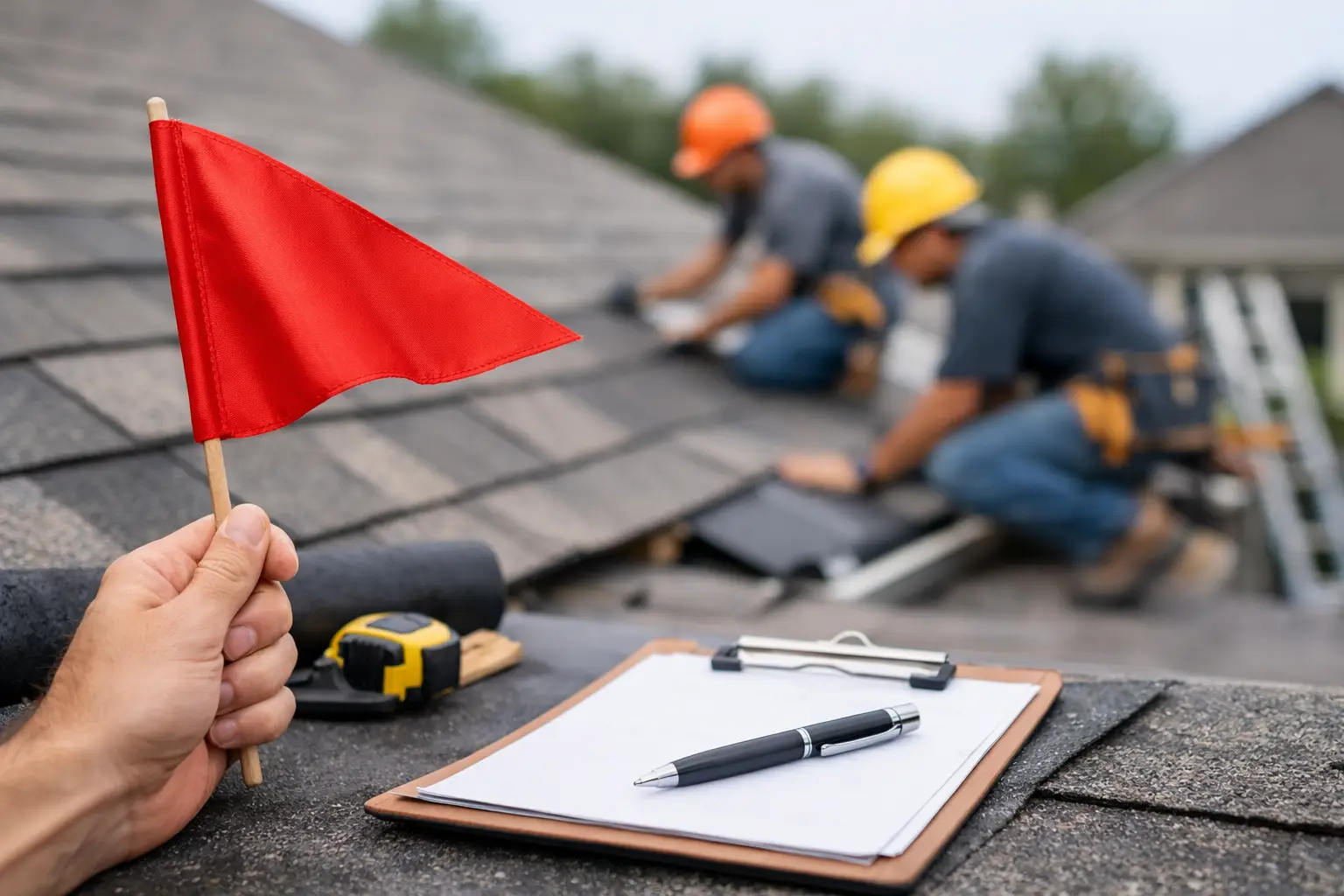
A roof estimate should make a major home decision feel clearer, not leave you wondering what was left out. The top roofing estimate red flags are rarely limited to one suspicious number. They show up in vague language, missing protections, unexplained allowances, and pressure to sign before you can compare the details.
For metro Detroit homeowners, that clarity matters. A roof has to hold up through wind, snow, freeze-thaw cycles, and heavy rain. The right estimate does more than state a price. It documents what will be installed, how the existing roof will be handled, and who is responsible if the job does not go as planned.
Top Roofing Estimate Red Flags Homeowners Should Catch
A one-line price with no defined scope
“Roof replacement: $14,500” is not an estimate you can truly compare. It may be a starting point, but it does not tell you what the contractor plans to remove, install, protect, or clean up.
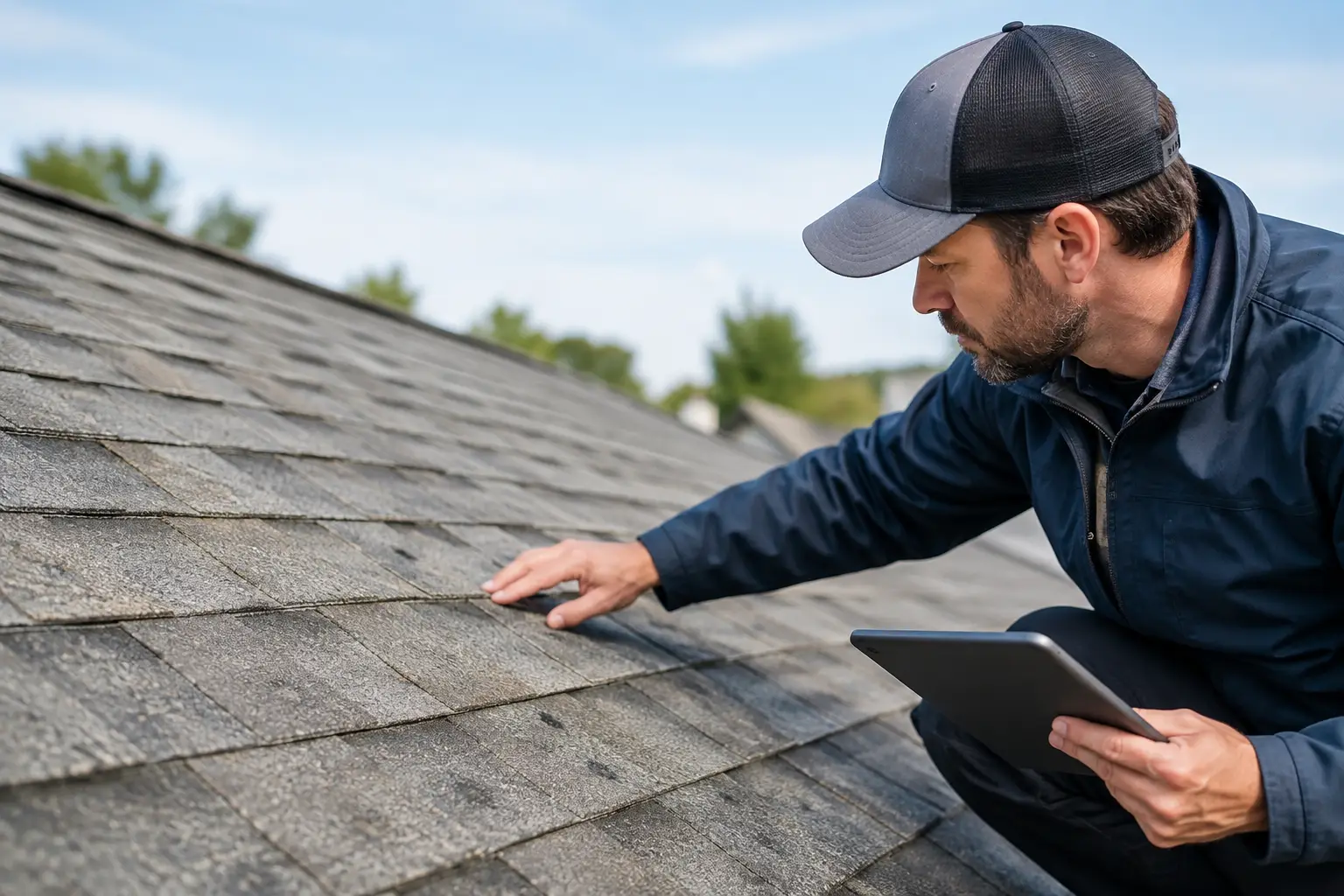
A useful roofing estimate identifies the roof area and the materials included. It should explain whether the price covers tear-off and disposal, underlayment, ice and water protection, starter shingles, ridge cap shingles, ventilation work, flashing, pipe boots, permit requirements, and cleanup. You do not need every installer’s internal labor calculation, but you do need a clear description of the finished roof system.
If two estimates have very different prices, the difference may be entirely legitimate. One contractor may be including a full system and the other may be pricing only the visible shingles. Without itemized scope, you cannot tell.
Materials are named loosely, or not named at all
Terms such as “architectural shingles” and “premium materials” sound reassuring but are not specific enough to evaluate. Architectural shingles come in different product lines, weights, colors, warranty coverage, and wind ratings. The same is true of underlayment, flashing, ventilation components, and sealants.
Your estimate should identify the manufacturer and product line wherever it affects performance or warranty coverage. If a contractor proposes Owens Corning Duration shingles, for example, the quote should say so rather than simply promising an “upgraded shingle.” It should also clarify the color selection process and whether the listed price applies to every available color or only certain options.
Specific materials protect both parties. You know what you are buying, and the contractor has a documented plan for the crew.
“Additional charges may apply” with no boundaries
Some unknowns are real. Damaged roof decking cannot always be confirmed until old shingles come off. Rotten fascia behind a gutter may not be visible from the ground. A responsible contractor will explain that possibility rather than pretend it never happens.
The red flag is vague open-ended language that gives no pricing method or approval process. Ask what conditions could create additional charges, how those items are priced, and whether you will be shown the issue before work proceeds. A clear estimate may include a per-sheet price for plywood replacement or a stated rate for replacing damaged wood components.
No contractor can promise zero change orders on every home. They can promise that changes will be documented, explained, and approved instead of appearing as a surprise on the final invoice.
Critical roof components are missing from the estimate
Shingles are only one part of a working roof. Water protection at eaves and valleys, proper flashing around walls and chimneys, and balanced attic ventilation all affect how the system performs. An estimate that focuses only on shingle squares may be leaving major work undefined.
Michigan homes especially need careful attention at eaves, valleys, penetrations, and transitions where water and ice can work their way beneath shingles. Ask the contractor to explain where ice and water barrier will be installed and how flashing will be handled. If your home has a chimney, skylight, low-slope section, or complicated roofline, those details deserve even more attention.
Ventilation also requires a real conversation. Adding ridge vent is not automatically the right answer if intake ventilation is inadequate. A contractor should evaluate the attic and roof design, then explain the recommendation rather than add a generic line item.
The estimate does not say who is insured or licensed
A low price is not a bargain if an accident, property damage claim, or code issue becomes the homeowner’s problem. Ask for confirmation that the company and crew are properly licensed where required and carry current general liability and workers’ compensation coverage.
Do not accept a vague statement that the contractor is “fully covered.” A professional company should be prepared to provide documentation when requested. This is not an awkward question. It is basic due diligence for a project involving ladders, tear-off work, power tools, and your home.
The estimate should also make clear who is performing the work. If the company uses subcontractor crews, that is not automatically a problem. What matters is whether those crews are qualified, insured, supervised, and accountable to the contractor whose name is on your agreement.
Watch for Pricing That Creates Pressure Instead of Confidence
An unusually low bid that cannot be explained
The lowest estimate can be the best value, but only after the scope is matched. A dramatically lower price may reflect lower overhead and an efficient operation. It may also mean missing tear-off, cheaper materials, insufficient protection details, no permit allowance, or a plan to add charges later.
Rather than asking a contractor to match a competitor’s number, ask each company to explain its number. Compare the roof area, material system, removal plan, ventilation work, flashing details, warranty, and payment terms side by side. A slightly higher quote with complete documentation is often easier to trust than a low number built on assumptions.
A large deposit or cash-only request
Payment terms should be written down and should make sense for the work being performed. Be cautious if a contractor demands a large upfront payment, asks for cash only, or presses you to pay before materials are scheduled and work begins.
A deposit can be normal, particularly when materials must be ordered. The key is whether the contract clearly states the deposit amount, remaining payment schedule, and what happens if the schedule changes. You should receive a written receipt for every payment.
“Sign today or lose the price” tactics
Roofing decisions sometimes move quickly after storm damage or active leaks, but urgency should come from the condition of the home, not a salesperson’s script. A contractor can explain a material price change or scheduling constraint without forcing a same-day signature.
Take enough time to read the scope, confirm the warranty, and ask questions. A good contractor wants an informed customer because clear expectations reduce problems for everyone.
Warranty Language Needs More Than a Logo
A manufacturer warranty and a workmanship warranty are different protections. The manufacturer warranty generally addresses qualifying material defects. The contractor’s workmanship warranty addresses installation-related issues. Both may have exclusions and conditions, which is why the written terms matter.
Be cautious when an estimate promises a “lifetime warranty” without naming who provides it, what it covers, or how to make a claim. Ask whether the warranty is transferable, whether registration is required, and whether the contractor will provide final warranty documents after installation.
Also confirm that the proposed components meet the manufacturer’s requirements for the stated warranty. A roof system is not just a brand name on the shingle bundle. Installation details and compatible components can affect eligibility.
What a Clear Roof Estimate Should Let You Verify
Before signing, you should be able to verify four things without guessing: the exact scope of work, the material system, the total price and change-order process, and the protections behind the installation. If any of those answers are hard to find, ask for a revised estimate in writing.
A transparent contractor should also explain practical job details. Where will the dumpster go? How will landscaping and siding be protected? Who handles permits if needed? What does cleanup include? When can the crew start, and what happens if weather delays the schedule? These are not minor questions. They are part of a controlled, respectful project.
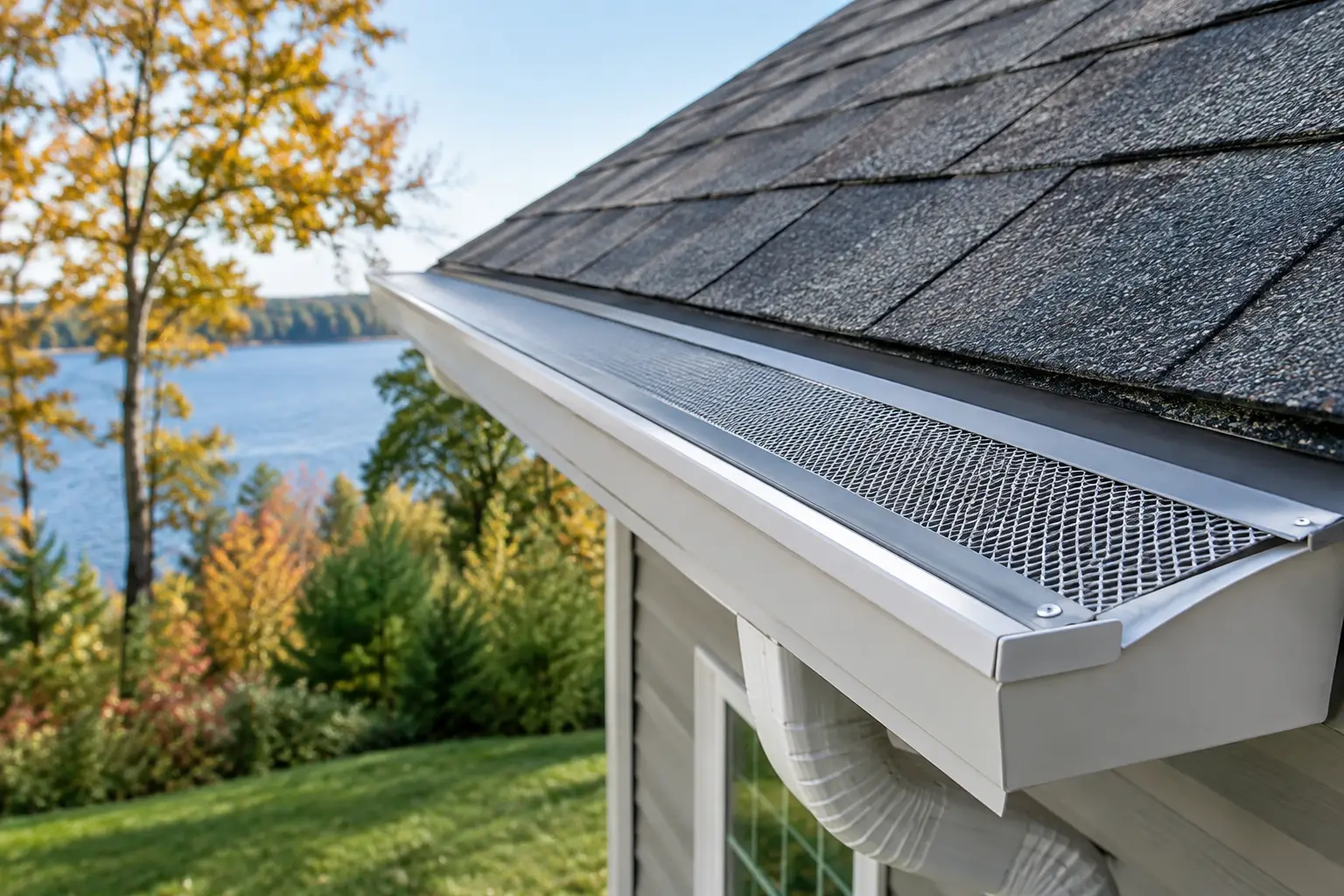
For gutter replacement, apply the same standard. The estimate should state the gutter material, size, color, downspout configuration, removal of existing components, and whether seamless gutters will be formed on-site. “New gutters included” is too vague to compare.
A Better Way to Compare Roofing Quotes
Put each estimate next to the others and compare scope first, price second. If one quote is missing an item, do not assume it is included. Get clarification in writing. This approach is especially helpful when a roof has multiple layers, a steep pitch, a chimney, skylights, or visible signs of decking damage.
At Guthix Roofing, the goal is to remove that uncertainty with satellite-measured pricing, documented line items, licensed and insured installation, and written warranty information. An estimate should give you a path to a decision, not a reason to brace for hidden costs.
The contractor you choose will be working on one of your home’s most important protective systems. Choose the estimate that is easiest to understand, the company that answers direct questions directly, and the scope that leaves the fewest surprises once the old roof comes off.
Need this done on your Downriver home?
Guthix Roofing is based in Wyandotte and serves Downriver and Wayne County. See roof replacement from a licensed local roofer, or get an instant satellite-measured price — no name or phone needed to see the number.