A gutter can look like a minor trim detail until the first heavy Michigan rain sends water over its edge, behind the siding, or toward the foundation. If you are asking when should gutters be replaced, the answer is usually not based on age alone. The condition of the metal, the way water moves through the system, and the damage showing up around your home matter more.
A few loose fasteners or a small seam leak may be repairable. But when problems repeat, sections pull away, or water is already affecting the roofline and foundation, replacement is often the more reliable and cost-effective decision.
When Should Gutters Be Replaced Instead of Repaired?
Repairs make sense when the issue is isolated. A downspout may have come loose in a windstorm, a hanger may need to be reset, or debris may be creating an overflow that a thorough cleaning can solve. In those cases, there is no reason to replace a complete system that is otherwise doing its job.
Replacement becomes the better path when the system has widespread wear or when fixing one problem simply exposes the next one. Older sectional gutters, especially, can develop recurring leaks at joints and end caps. Patching those areas can buy time, but it does not eliminate the seams that caused the problem.
The question is not just, “Can this be repaired?” It is, “Will this repair give the home dependable water control through the next several seasons?” With southeast Michigan freeze-thaw cycles, snow load, spring rain, and wind, a temporary fix can become an expensive water-management problem quickly.
8 Signs Your Gutters Need Replacement
1. They are sagging, pulling away, or visibly uneven
Gutters should sit securely along the roof edge with a consistent slope toward the downspouts. Sagging sections, gaps behind the gutter, and areas that pull away from the fascia are clear signs that something is wrong. The cause may be failed hangers, repeated ice weight, standing water, or deteriorating wood behind the system.
A contractor should inspect the fascia before installing new gutters. Replacing gutters without addressing damaged backing material can leave the new system improperly secured from day one.
2. Water overflows even after cleaning
Overflow does not always mean replacement is necessary. Leaves, roof grit, and blocked downspouts are common causes, particularly after fall. But if clean gutters still overflow during ordinary rain, the system may be undersized, incorrectly pitched, dented, or lacking enough downspout capacity.
This is a performance issue, not just an appearance issue. Water spilling over the front edge can stain brick, damage landscaping, and saturate soil near the foundation. Water running behind the gutter can affect fascia, soffits, and roof decking.
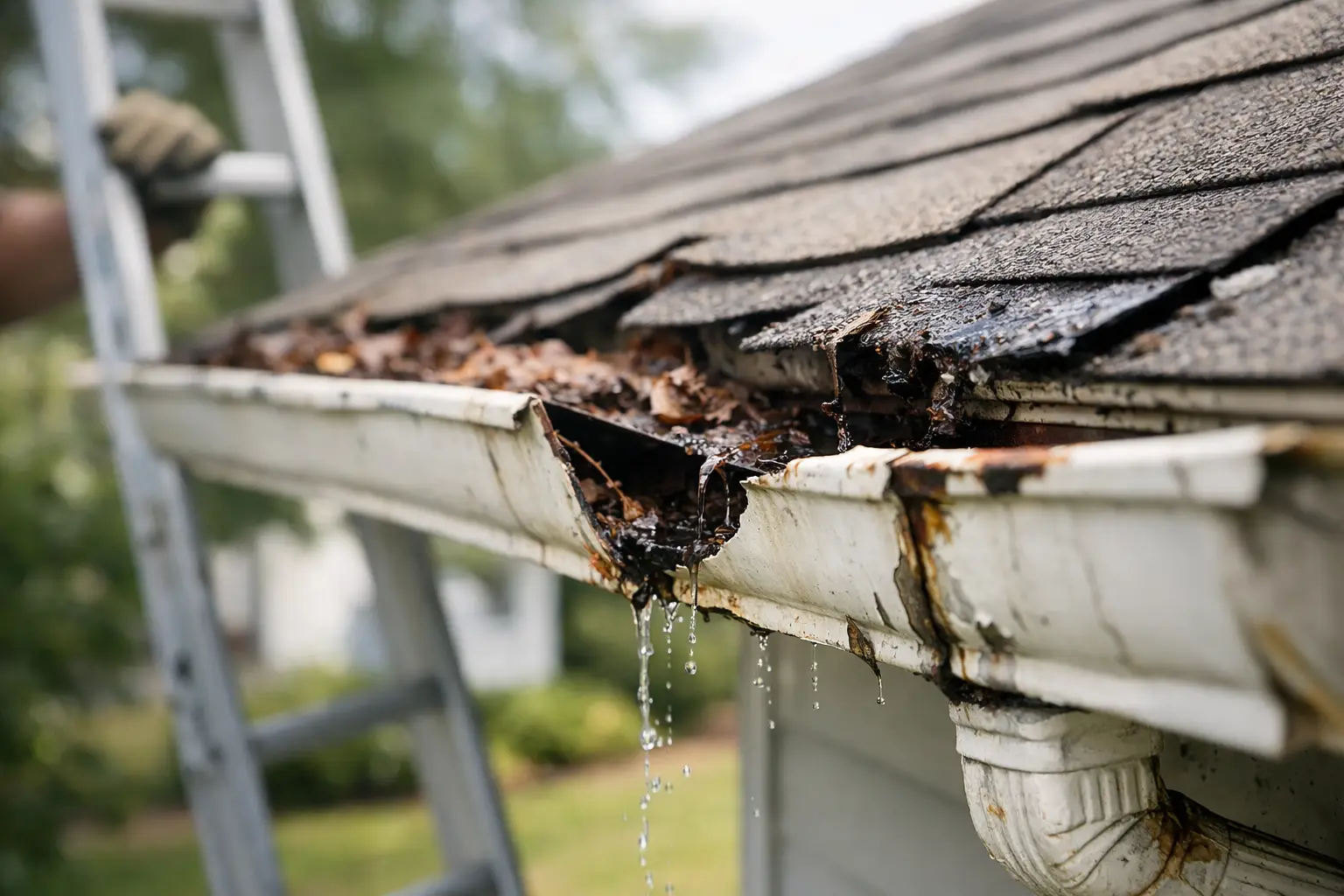
3. You see cracks, holes, rust, or split seams
Small cracks often widen through winter. Water enters the opening, freezes, expands, and makes the next leak worse. Rust is especially concerning because it indicates that the metal is losing strength, not simply looking weathered.
Seams deserve close attention. Traditional sectional gutters have multiple joints, and every joint is a potential future leak point. If you are repeatedly resealing the same seams or finding new ones each season, seamless aluminum gutters can be a practical upgrade. They are formed on-site to the length of each roof run, reducing the number of joints where leaks commonly begin.
4. There is peeling paint or staining around the roofline
Peeling exterior paint, orange rust marks, mildew, or dark staining near the gutters may indicate water is escaping where it should not. Sometimes the source is a roof issue, flashing problem, or condensation, so it is worth having the full area inspected rather than assuming the gutter is at fault.
Still, exterior staining near the gutter line is not something to ignore. It can be an early warning that water is getting behind the system and repeatedly wetting the fascia board.
5. Fasteners, nails, or screws are on the ground
Hardware beneath the eaves is a signal that the system is losing its attachment. One loose fastener can often be replaced. Several fasteners on the ground, however, may mean the gutter has been stressed for some time or the fascia no longer provides solid holding power.
Do not simply drive new fasteners into soft or rotted wood. A proper replacement scope identifies whether the roof edge needs repair before the gutter system is installed.
6. The basement, foundation, or landscaping shows water problems
Gutters exist to move roof runoff away from the home. When water pools near the foundation, washes out mulch, creates channels in soil, or contributes to a damp basement, the entire drainage path needs review.
The gutter may be too small, but the downspouts may also discharge too close to the house. A new gutter system should be designed with adequate downspouts and extensions or drainage solutions that carry water away from the foundation. A well-made gutter cannot protect a home if its downspout empties directly beside the wall.
7. The gutters are badly dented or damaged by ice and ladders
Minor cosmetic dents are not automatically a replacement issue. If water flows correctly and the attachment remains secure, you may be able to live with them. Deep dents, crushed sections, bent outlets, and distorted slopes are different because they interrupt drainage.
Ice dams can also strain gutters, although the gutter is not always the root cause. Ice dams often point to heat loss and ventilation conditions in the attic. Replacing damaged gutters is appropriate, but a careful contractor should also explain whether roof, insulation, or ventilation improvements may help reduce repeat ice-related damage.
8. Your gutters are near the end of their useful life
Quality aluminum gutters can last roughly 20 years or longer with proper installation and maintenance. Their actual lifespan depends on thickness, exposure, roof runoff, maintenance habits, storm damage, and how well the system was installed in the first place.
Age alone should not force replacement. A 15-year-old system that is secure, clean, and draining properly may have useful life left. On the other hand, an 8-year-old system with poor pitch, weak fastening, and persistent overflows may be worth replacing now. Condition and performance should drive the decision.
Why Roof Replacement Is Often the Right Time for New Gutters
If you are replacing an aging roof, inspect the gutters at the same time. Roofing crews work at the eaves, and the condition of the drip edge, fascia, and gutter attachment is easiest to evaluate while the roof system is being addressed.
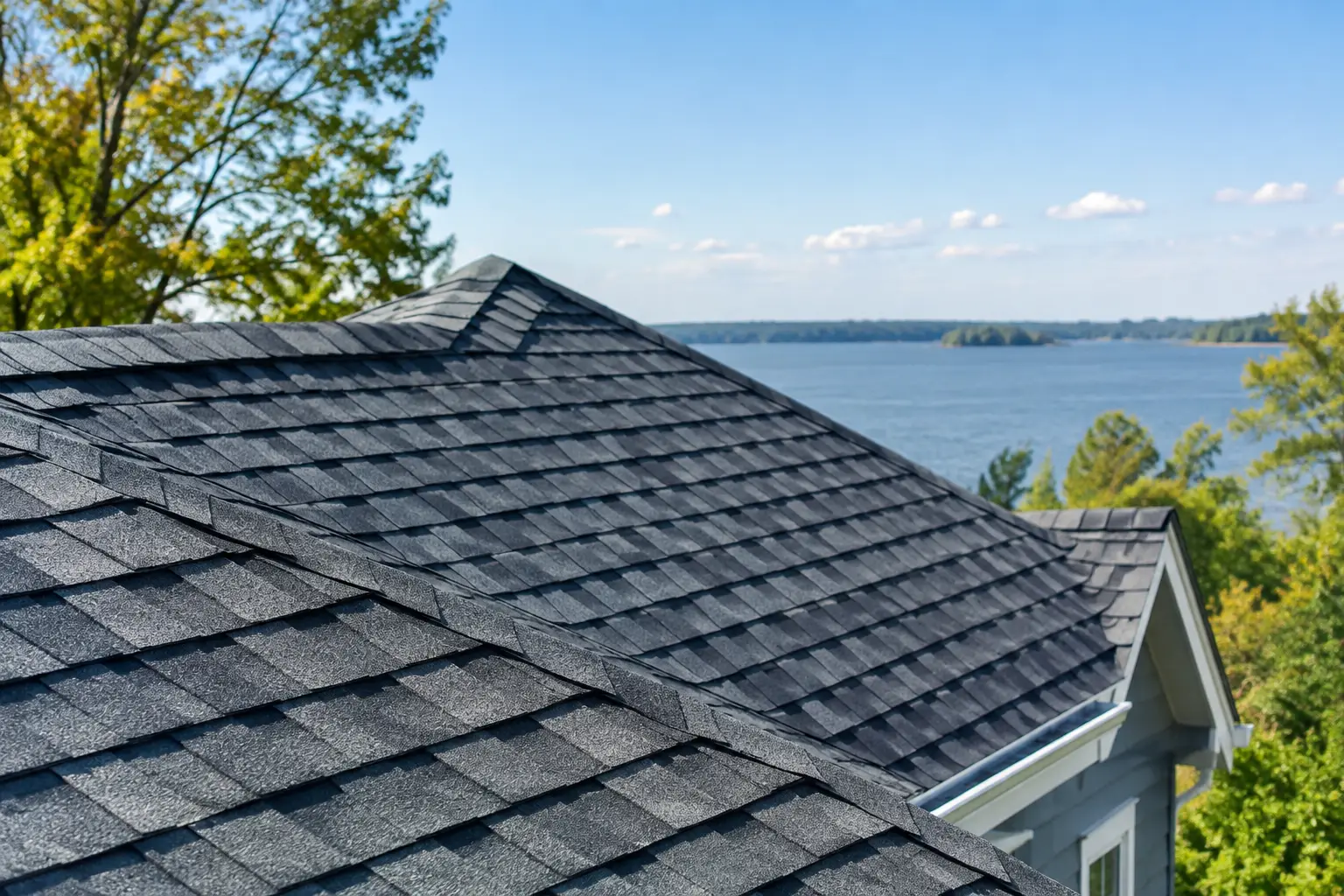
There is also a practical advantage to coordinating the work. New architectural shingles can shed water efficiently, but that water still needs a correctly sized and properly pitched gutter system. Installing new gutters after roof replacement helps create a clean roofline and avoids trying to preserve worn components beside a new roof.
That does not mean gutters must always be replaced with a roof. If the current system is structurally sound and drains well, keeping it may be reasonable. The key is receiving a clear inspection finding rather than being pressured into unnecessary work.
What a Proper Gutter Replacement Should Include
A gutter estimate should explain more than the total price. Homeowners should be able to see the material, gutter size, downspout count, removal of old gutters, and any needed fascia-related work. Ask whether the gutters will be seamless aluminum formed on-site, how they will be fastened, and where downspouts will discharge.
For many homes, 5-inch aluminum gutters are appropriate. Larger roof areas, steep roof planes, or locations that receive concentrated runoff may benefit from 6-inch gutters or additional downspouts. Bigger is not automatically better, but sizing should be based on the roof and drainage demands rather than a one-size-fits-all approach.
Color matters, too, but it should come after performance details are settled. A system can be selected to complement the roof, siding, and trim while still providing the capacity and secure attachment the home needs.
Protect the Parts of the Home You Cannot Easily See
Gutter replacement is not only about stopping drips at the eaves. It is about protecting fascia boards, soffits, siding, landscaping, and the foundation from repeated runoff. The best time to act is before the water damage becomes visible indoors.
If your gutters are showing several of these signs, request a documented inspection and an itemized scope before making a decision. Guthix Roofing helps metro Detroit homeowners understand what needs repair, what needs replacement, and what can reasonably wait - with licensed and insured installation, clear pricing, and no hidden costs.
Need this done on your Downriver home?
Guthix Roofing is based in Wyandotte and serves Downriver and Wayne County. See seamless gutter replacement from a licensed local roofer, or get an instant satellite-measured price in about a minute — just your name and mobile, no phone call.
Our full guide: How Much Does Gutter Replacement Cost in Michigan? (2026 Guide), written by Greg Tittle.