
A roofing quote can look simple: one contractor is lower, one is higher, and both promise a new roof. But when you know how to compare roofing quotes, you quickly see that the number at the bottom is only part of the decision. The real question is what each contractor has included, documented, and agreed to stand behind once Michigan weather starts testing the work.
A clear estimate should help you make a confident decision without decoding vague language or guessing what will become an extra charge later. Before comparing totals, compare the scope.
Start by comparing the scope of work
Two quotes can cover the same house and still describe very different projects. One may include a complete roof system with tear-off, underlayment, ventilation, flashing, cleanup, and disposal. Another may list only shingles and installation, leaving critical details unclear.
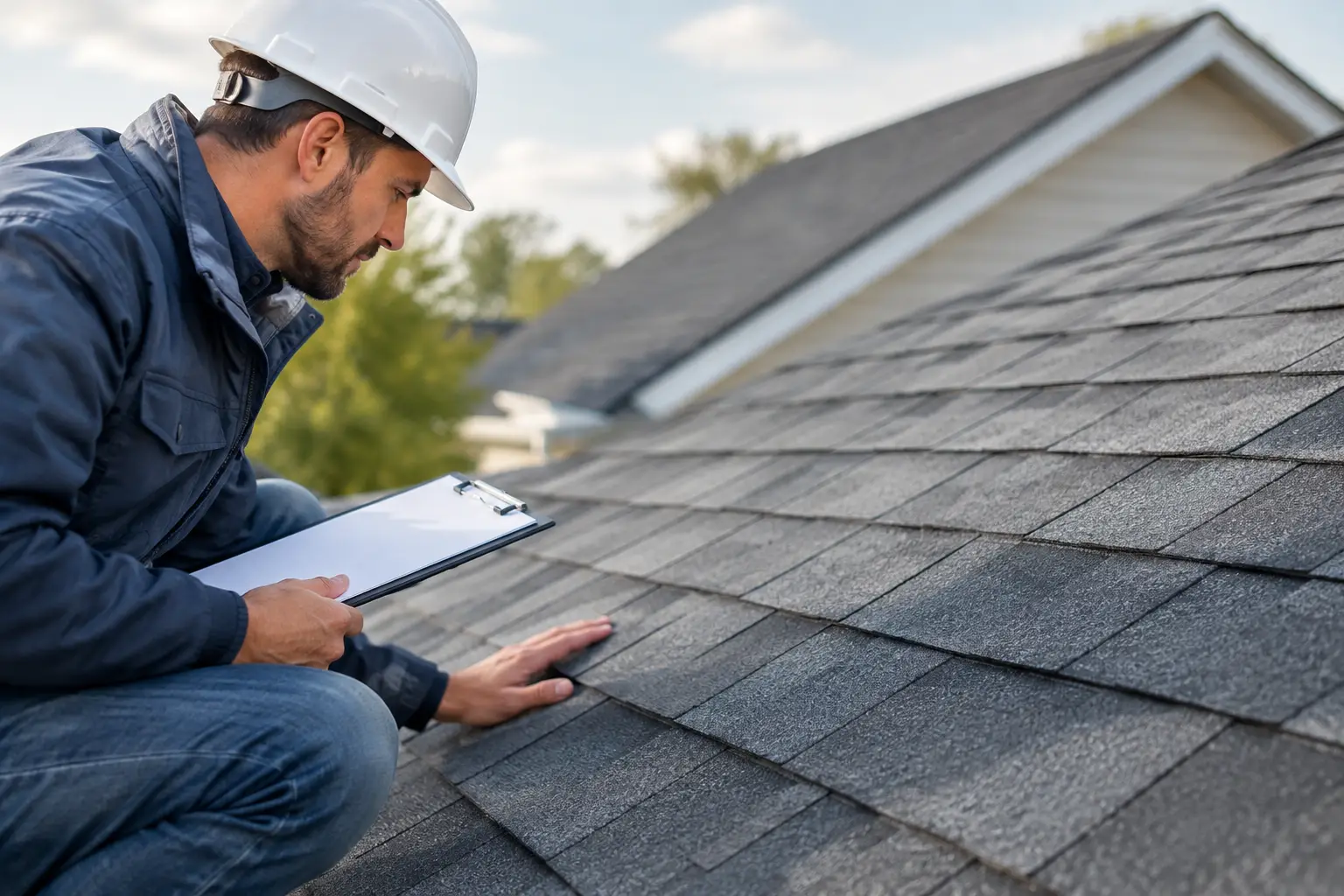
Read each estimate line by line. You want to see how many layers of existing roofing will be removed, whether damaged decking is addressed, what underlayment is included, and how the contractor will handle valleys, chimneys, skylights, walls, and pipe penetrations. These are the areas where water management matters most.
Also check for disposal. Tearing off an old roof creates substantial debris. A quote should state whether dumpster costs, hauling, and final cleanup are included. If one estimate is thousands less but does not clearly include removal and disposal, it is not an apples-to-apples comparison.
Ask about decking before work begins
Roof decking is the wood surface beneath the shingles. It is often impossible to confirm every soft or damaged section until the old roof is removed. That does not mean the cost has to be a mystery.
A responsible quote explains the per-sheet price for decking replacement, when it would be necessary, and who approves the added work. Be cautious when an estimate says "as needed" without listing a unit price or approval process. Hidden costs often begin with undefined language.
Compare roofing materials by system, not brand name alone
A shingle brand matters, but the roof performs as a system. A complete estimate should identify the exact shingle line and color, along with the supporting materials used beneath and around it.
For example, premium architectural shingles such as Owens Corning Duration products offer a different level of appearance and wind performance than basic three-tab shingles. But a premium shingle alone does not make a premium installation. The estimate should also spell out the underlayment, ice and water protection, starter shingles, ridge cap shingles, and ventilation components.
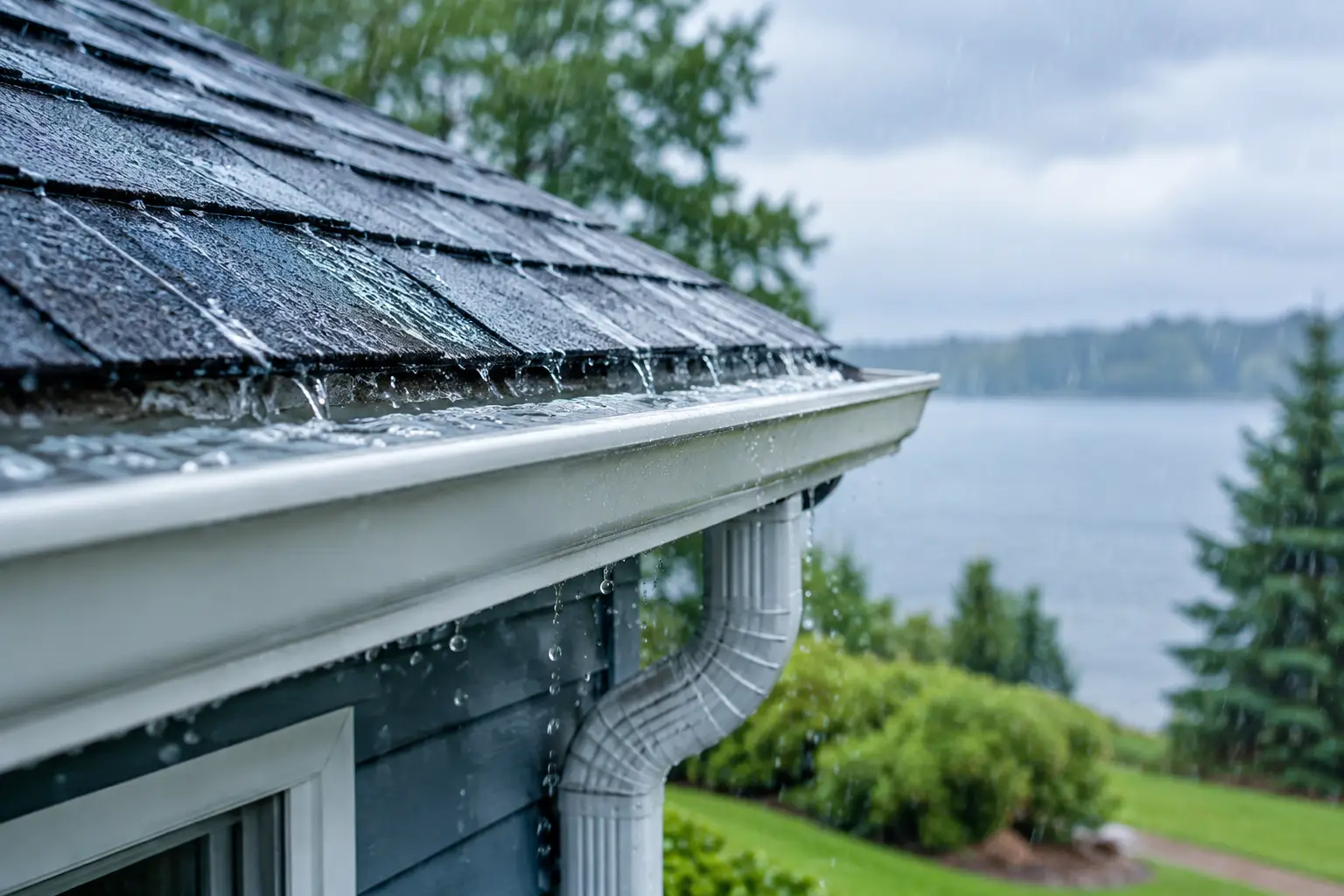
In southeast Michigan, ice and water protection deserves special attention. This membrane is typically installed at vulnerable roof edges and other water-prone areas to help protect against ice dams and wind-driven rain. Ask where it will be installed, not simply whether it is included.
Color is worth confirming now, too. A roof is a major visual change, and color samples can look different in sunlight than they do on a screen. Make sure the selected color is written into the final agreement rather than left as a later decision.
Look closely at ventilation and flashing
Ventilation and flashing are not glamorous line items, but they affect comfort, roof life, and leak prevention. A quote should explain how the contractor plans to ventilate the attic. Depending on the home, that could involve ridge vent, intake ventilation at the eaves, or another code-compliant approach.
Do not assume an existing vent setup is adequate just because it is already there. Older homes may have blocked soffits, insufficient intake, or mismatched exhaust vents. A good contractor evaluates the full airflow path and explains what needs to change.
Flashing should be equally specific. Chimney flashing, step flashing along walls, and pipe boot replacements should be addressed in writing. Reusing serviceable metal can sometimes be reasonable, but the contractor should explain why. If replacement is needed, the estimate should state it clearly.
Compare labor protections, not just labor costs
The lowest quote may be lower because the contractor carries less insurance, uses uninsured labor, or has not accounted for code-required work. Those shortcuts can shift risk back to the homeowner.
Ask each contractor to confirm that the crew is licensed where required, properly insured, and covered for workers' compensation. You should also know who is responsible for permits, inspections, and local code compliance. A roof replacement is not the place for assumptions.
It is also reasonable to ask who will be on site, whether the work is subcontracted, and who manages the project if an issue comes up. Subcontracting is not automatically a problem, but accountability should be clear. You should know exactly who is responsible for the finished roof and the condition of your property during the work.
A clean worksite matters, too. Look for language covering magnetic nail sweeping, landscape protection, and daily debris removal. These details show whether a contractor has planned for the full homeowner experience, not just the installation day.
Check what can change after you sign
Every roof has the potential for legitimate unforeseen conditions, especially when an older roof is removed. The goal is not to find a contractor who promises that nothing can change. The goal is to choose one with a documented process for handling changes.
Read the payment schedule, cancellation terms, and change-order policy. Added work should be explained, priced, and approved before it is completed whenever possible. Avoid estimates that rely heavily on broad allowances or phrases such as "additional charges may apply" without defining the likely circumstances.
If a contractor offers a fast satellite-measured quote, ask how the measurement will be verified on site and what would cause the price to change. Fast pricing can be a major convenience, but it should still be supported by a clear scope and a final inspection of the property.
Compare warranties in plain language
A warranty is only useful if you understand who provides it and what it covers. Most roofing projects involve at least two types: a manufacturer warranty for materials and a workmanship warranty from the installer.
Manufacturer coverage may apply to defective shingles, while workmanship coverage addresses installation-related issues. Ask how long each warranty lasts, whether it is transferable, what exclusions apply, and who handles a claim. A long warranty headline is less meaningful if the installation requirements are unclear or the contractor is difficult to reach.
Written warranty terms are especially valuable when comparing similar estimates. If one contractor offers a shorter price but provides vague warranty language, the savings may not be worth the uncertainty. Guthix Roofing recommends treating the written scope and warranty as part of the product, not paperwork to skim after choosing a contractor.
Use a simple apples-to-apples comparison sheet
Put each quote side by side and compare the same categories. A short written comparison can prevent an emotional decision based on a single low number. Include the total price, shingle product, tear-off, underlayment, ice and water protection, flashing, ventilation, decking price, disposal, permits, insurance, workmanship warranty, and estimated schedule.
If a category is missing, mark it as unclear rather than assuming it is included. Then ask the contractor to clarify it in writing. A company that values transparency should be able to answer direct questions without pressure or evasive language.
Questions worth asking before choosing
Before signing, ask whether the price is fixed based on the documented scope, how unexpected decking damage is handled, what weather can delay installation, and who you contact after the project is complete. You should also ask whether the contractor will provide proof of insurance and a final walk-through.
The answers matter as much as the speed of the response. Clear, specific answers before the job are usually a good indication of how communication will work during the job.
When a lower roofing quote may still be the right choice
A lower quote is not automatically a red flag. It may reflect lower overhead, a simpler roof design, a seasonal scheduling advantage, or a contractor using a material package that genuinely meets your needs. The key is being able to identify why it costs less.
If the scope, materials, protections, and warranty are truly equivalent, price should absolutely influence your decision. But if the lower number depends on missing details, unpriced extras, or verbal promises, it is not a lower price yet. It is an incomplete estimate.
The best roofing quote is not necessarily the cheapest or the most detailed document. It is the one that gives you a clear, written plan for protecting your home, sets realistic expectations, and leaves no room for surprises when the work begins.
Need this done on your Downriver home?
Guthix Roofing is based in Wyandotte and serves Downriver and Wayne County. See roof replacement from a licensed local roofer, or get an instant satellite-measured price in about a minute — just your name and mobile, no phone call.